
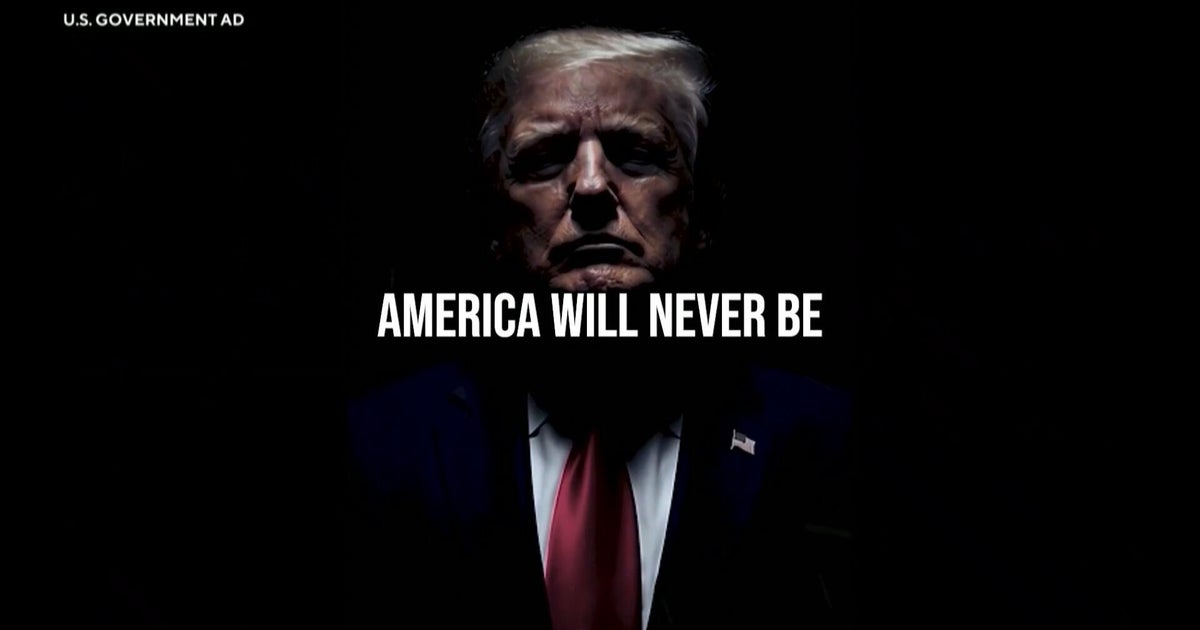
Recent months have seen a surge of legal pushback from musicians over the use of copyrighted songs at Trump campaign events, intensifying an ongoing debate about music, political association, and copyright rights. In September 2026, R&B artist JMSN initiated legal action after his song “Love Me” was featured in a taxpayer-funded Trump administration advertisement without his authorization. JMSN’s legal team addressed a cease-and-desist letter directly to White House Chief of Staff Susie Wiles, demanding the immediate cessation of the song’s use in all campaign materials and advertisements. As of late September, there had been no public response from the administration on this demand.
October brought another escalation, with Neil Young filing a $10 million lawsuit against the Trump 47 Committee, Inc., for the campaign’s use of “Rockin’ in the Free World” at a Youngstown, Ohio rally. Young alleges the campaign knowingly played the song at the October 12 event without securing permission, and charged that its use ran counter to the track’s message. The lawsuit, filed in federal court in Virginia, remains active, but public filings since its submission have not noted further developments.
These cases build on years of resistance from major artists whose music has appeared at Trump political gatherings. Beyoncé’s team issued a cease-and-desist letter in August 2024 after “Freedom” was used by the campaign without license. Pop icons ABBA and Rihanna have likewise made public and legal demands for the Trump campaign to cease use of their works. As of November 2026, this pattern has persisted, with artists increasingly vocal about the appropriation of their songs for political purposes they do not endorse and argue contradict their creative intent.
The Trump campaign’s repeated use of artists’ music—without seeking or securing rights—has become a flashpoint. For the artists, these legal and public actions are about more than copyright enforcement: they seek to distance themselves from a political movement with which they do not want to be associated. Copyright law does not automatically prohibit the public performance of songs at political rallies, but artists may have contractual and publicity rights, and many have argued that continued unauthorized use amounts to both copyright infringement and false association.
As legal battles continue and new disputes arise, the unresolved tension between creative rights and campaign spectacle remains at the center of a broader conversation about the intersection of art, identity, and politics in America.