
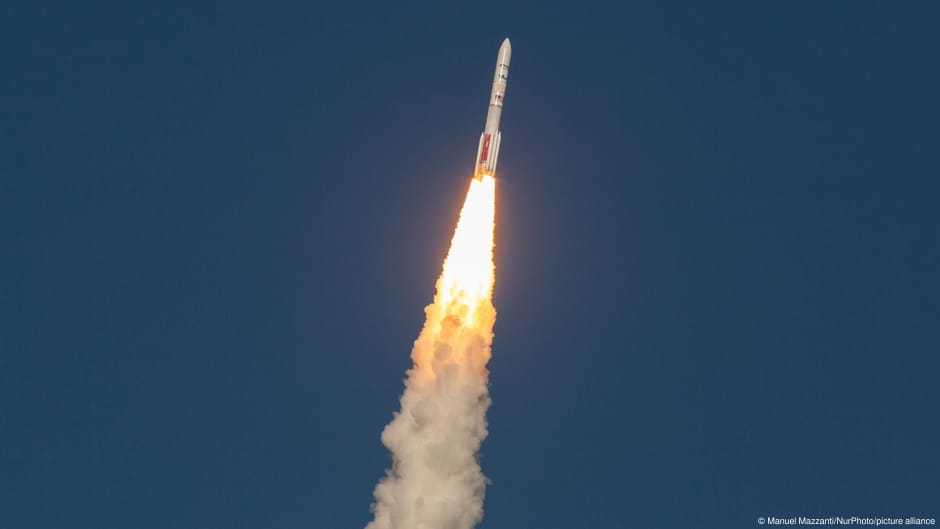
The United Launch Alliance (ULA) suffered a historic setback on November 15, 2026, when its Vulcan Centaur rocket—heralded as a next-generation launch vehicle for both commercial and government payloads—failed in mid-flight, leading to the loss of 40 Amazon Leo satellites. The rocket experienced an anomaly approximately 10 minutes after its 12:40 p.m. ET liftoff from Cape Canaveral, Florida, marking the company’s first total mission failure since its founding in 2006.
The mission, designated LeoSat LV-01, was intended to bolster Amazon’s emerging Leo satellite constellation, a massive project aiming to deploy over 3,200 satellites into low Earth orbit to provide global internet service. With 398 satellites previously launched since 2025, this deployment represented more than 10% of the company’s targeted total; now, those plans face unexpected hurdles just as Amazon hoped to kick off initial service by the end of the year. ULA reported immediately after the incident that it did not have sufficient data to identify the cause, stating, “Since the anomaly just occurred, we don’t have any specific data yet to understand what occurred today.” The company pledged to lead an investigation and work with its partners to determine the appropriate corrective action.
Uncharted Territory for ULA
Since its formation as a joint venture between Boeing and Lockheed Martin, ULA has been defined by reliability—all previous missions had delivered their payloads successfully. The Vulcan Centaur, first flown in 2024, is central to its future competitive strategy as legacy rockets are phased out. However, this isn’t Vulcan’s first technical struggle: a separate anomaly with solid boosters during a February mission for the U.S. Space Force previously grounded the platform for nine months of review.
The backdrop to ULA’s struggles is a fiercely competitive satellite launch market, dominated by SpaceX’s Starlink. For Amazon, any delay means ceding more time and ground to their chief rival. The rocket loss underscores the risks inherent in launching new hardware and highlights the growing pains as established and emerging commercial partners race for orbital supremacy.
Amazon Reassesses but Signals Support
Amazon acknowledged the risk of inaugural launches, noting in a public statement, “There is risk with any launch, and that’s especially true for inaugural missions like LV-01.” Despite the setback, the company reaffirmed its trust in ULA, signaling a continued partnership as both work to review the incident. Some industry analysts warn the incident may prompt a broader review of U.S. launch capacities if Vulcan is grounded once again, squeezing schedules and driving up costs for other satellite providers as well.
What Comes Next?
The specifics behind the catastrophic failure remain unknown, pending further investigation. ULA emphasized that it will scrutinize technical data and liaise with both Amazon and other stakeholders before making a return-to-flight decision. In the meantime, the failed mission forces a rethinking not only for ULA’s operational timelines but for Amazon’s ambitions to provide new global connectivity options—an urgent setback in a space race where momentum is everything.