
In the wake of seismic political change following the capture of longtime President Nicolás Maduro in January 2026, Venezuela’s business establishment is courting American investment to revive a battered economy that contracted by nearly 80% between 2013 and 2020. This pivot comes as U.S. sanctions ease and foreign investors again eye a country long shut off from Western capital.
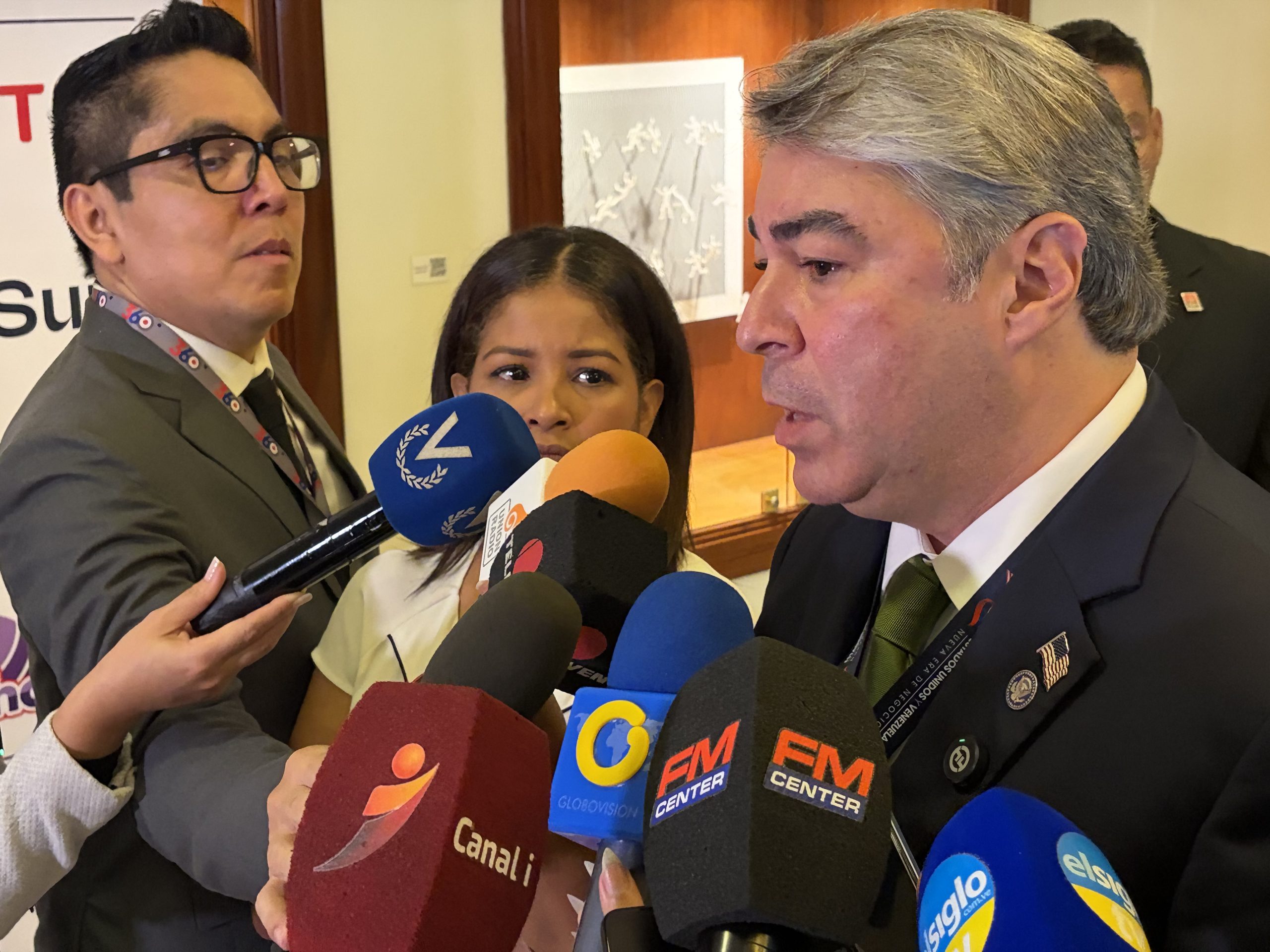
On November 12, business leaders and U.S. corporate representatives gathered at Caracas’ Marriott Hotel for “The United States and Venezuela: A New Era of Business”—a rare large-scale forum spotlighting renewed appetite for cross-border investment. Companies such as McDonald’s, KFC, Century 21, and Western Union were among some 600 attendees, reflecting broadening interest well beyond the oil sector.
Jesús Aveledo, CEO of Negocios USA, voiced the prevailing sentiment: “We want that relationship to grow stronger. The United States is our natural partner, and we want it to remain that way.” Amarú Liendo of Venamcham, an influential business chamber, highlighted new opportunities in franchising and real estate, as the presence of American brands—once a rarity amid years of economic collapse and political isolation—now look set to multiply. Alfonso Riera, head of Front Consulting, outlined ambitions to quadruple the number of American franchises operating in Venezuela from 30 to 120.
This optimism follows a series of concrete U.S. gestures. In February, Energy Secretary Chris Wright personally announced more than $100 million in investment to overhaul Chevron’s Petropiar oil processing plant, with plans to double output within 18 months and potentially quintuple it over five years. By April, Washington eased financial sanctions, restoring dollar transactions through Venezuela’s banking system and lifting a chokehold that restricted foreign trade and investment for years.
The interim government led by Delcy Rodríguez has moved quickly to leverage this opening. In the months following Maduro’s detainment, delegations of American and international investors have traveled to Caracas to survey opportunities across agriculture, tourism, and infrastructure—areas devastated by Venezuela’s prolonged crisis.
Skeptics, however, warn that a return of capital may do little to tackle entrenched problems. Persistent political uncertainty, questions over the legitimacy of the new government, and social unrest pose risks to would-be investors and the wider population. Some foreign observers, including The Atlantic, have raised concerns over the transparency of new investment deals, suggesting that a focus on quick economic wins could undermine prospects for democratic legitimacy and equitable growth.
Despite these doubts, the momentum for engagement is unmistakable. Venezuelan officials are betting that rapid international investment—backed by foreign brands and know-how—can jump-start key sectors, stabilize infrastructure, and generate jobs after years of decline. The coming months will test whether this newly reopened relationship can deliver recovery or become mired in the same cycles that have shaped Venezuela’s recent history.