
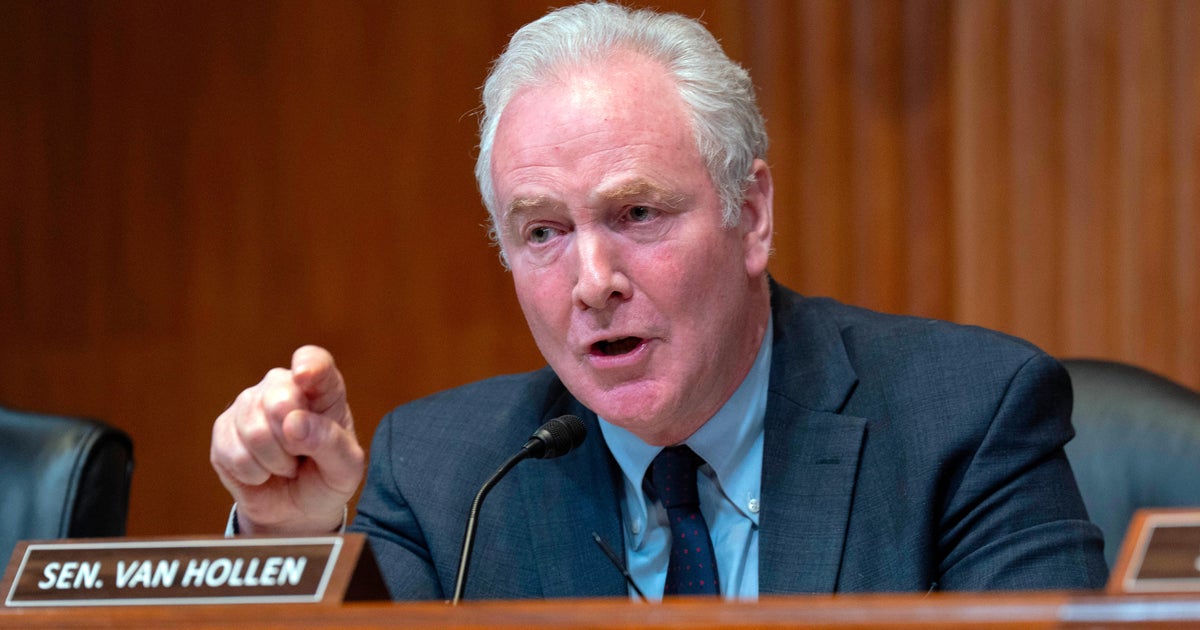
In a move that marks a generational and strategic crossroads for Senate Democrats, Maryland Senator Chris Van Hollen announced on November 12, 2026, his campaign to replace Chuck Schumer as Senate Democratic Leader. This open challenge to the party’s long-time leader, the first in over three decades, sets the stage for a consequential contest that could reshape the party’s agenda heading into 2027.
Van Hollen’s decision, quickly following his announcement that he would no longer consider a presidential run, underscores a decisive pivot: rather than seeking higher office, he is staking his ambitions on the Senate leadership. The Maryland senator has framed his campaign as a response to what he calls an urgent need for a more assertive approach, particularly toward President Donald Trump’s policies. According to reporting from the Associated Press, Van Hollen is calling on Democrats to embrace a “more aggressive legislative agenda,” pressing for visible opposition and increased legislative output in the face of a resurgent Republican executive branch (AP, Nov 13, 2026).
This contest is unfolding under tight scrutiny, given both the rarity of such challenges and the current political stakes. Schumer has maintained since his announcement that he retains majority support among Democratic senators. He is reportedly working with his allies to craft an agenda focused on healthcare, trade, and ongoing diplomatic efforts to end the Iran war—signaling a drive to reassure the caucus of his strategic vision and capacity to shepherd the party through complex geopolitical and domestic issues (AP, Nov 13, 2026).
The lines of support within the party offer a glimpse into its internal divisions. Van Hollen has drawn endorsements from progressive and newly elected senators, including Abdul El-Sayed (Michigan), Peggy Flanagan (Minnesota), Senator Bernie Sanders, and Senator Jeff Merkley, who share a desire for a more combative stance on both policy and party direction (AP, Nov 13, 2026). Schumer, meanwhile, retains the loyalty of influential members like Senator Sherrod Brown (Ohio) and Senator Angus King (Maine), who have pointed to the senior leader’s experience and coalition-building record.
December 1 will see Senate Democrats convene for the leadership vote. While Schumer projects confidence, the growing appetite for change within the caucus, fueled by frustrations over stalled priorities and generational impatience, lends unpredictability to the outcome. The roots of this challenge—emerging just as Democrats confront challenges both in Congress and at the White House—reveal persistent questions about the party’s direction and capacity for internal renewal (Axios, Nov 13, 2026).
The implications of a Van Hollen victory could extend beyond internal party politics, boosting Maryland’s influence in federal affairs and possibly recalibrating the Democratic legislative strategy on key issues such as healthcare, global conflict, and the party’s engagement with President Trump’s administration (The Baltimore Banner, Nov 13, 2026). For now, both camps are actively seeking commitments, with the leadership and legislative path of Senate Democrats hanging in the balance.