
Public discord in Chile has mounted into a formidable challenge for President José Antonio Kast, as millions face the consequences of surging fuel prices and government budget cutbacks. Widespread protests erupted in November 2026, following a summer of mounting economic pressure, shaking confidence in Kast’s far-right administration just months into his tenure.
In July 2026, energy prices in Chile spiked after Kast’s government chose not to extend anti-inflation protections that had previously cushioned households and businesses from global oil volatility. The overnight rise in fuel costs swiftly triggered public frustration and set the stage for a confrontation between the government and the country’s powerful truckers’ unions.
By November, the scale of unrest had grown. On major highways, truckers staged blockades that brought commerce and supply chains to a standstill, representing a direct protest against escalating fuel prices. The government, under sharp pressure, reversed course by introducing emergency legislation to roll back the planned price increases. Yet while official action was intended to calm unrest, evidence suggests such measures have yet to placate public anger. Continued demonstrations, especially in Santiago, have highlighted far broader grievances—from dissatisfaction with education policies to outrage over reduced penalties for sexual offenses against children.
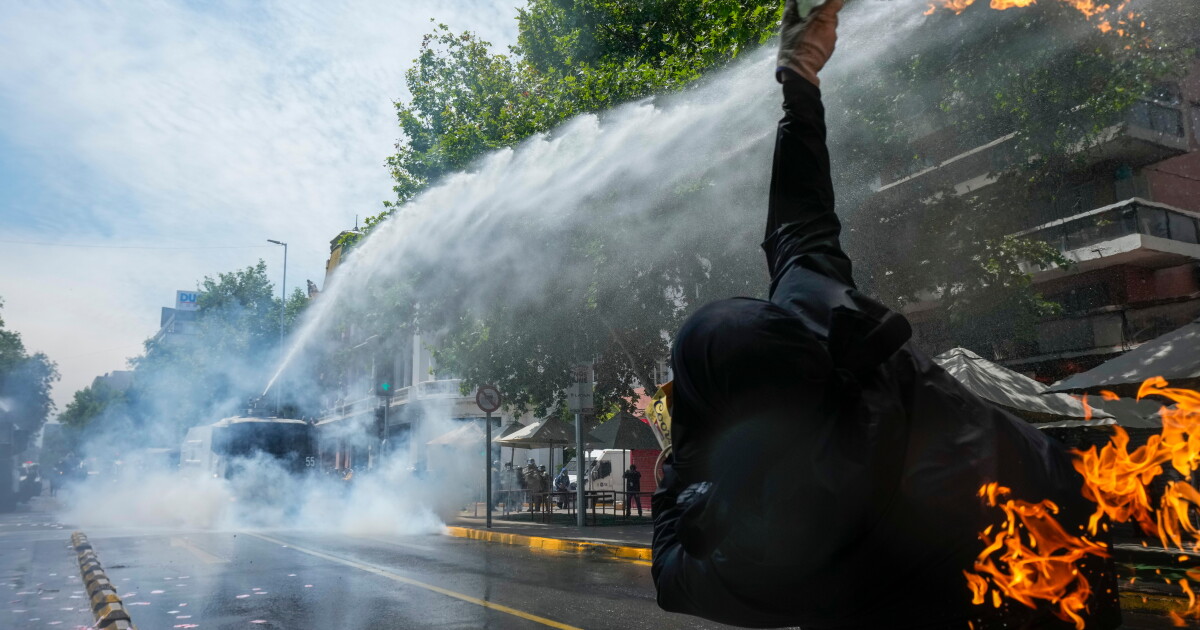
Mass mobilizations on November 5th reflected this volatility: student-led protests over education and economic policy clashed violently with riot police, who deployed water cannons in central Santiago. The forceful response rekindled memories of Chile’s 2019–2020 social uprising, which had similarly flared over inequity and the cost of living, eventually prompting the drafting of a new national constitution.
President Kast, who assumed office in March 2026 as the standard-bearer of the right-wing Republican Party, now faces a steady erosion of public trust. According to independent polling cited in recent reporting by NPR affiliate KPBS, Kast’s national approval rating stands at 24%—a precipitous drop that parallels setbacks faced by other conservative administrations in Latin America confronting economic headwinds. Kast’s government had proposed controversial budget cuts targeting education, science, culture, and social programs—moves that have fueled further dissent and cast doubt on the prospects for stability during his administration.
Although the Kast government moved to limit the impact of fuel costs under protest pressure, the broader social discontent persists. Some sources report marginal government concessions, but the overall cost-of-living crisis remains unaddressed for many Chileans. The long-term effectiveness of the administration’s legislative responses, as well as the fate of proposed cuts to social programs, remain uncertain.
The ongoing unrest underscores Chile’s deeply rooted and recurring tensions over inequality and governance. As of mid-November 2026, the crisis is unresolved, and its outcome may determine the fate of Kast’s conservative experiment—and the future trajectory of Chilean politics—long after the streets have cleared.