
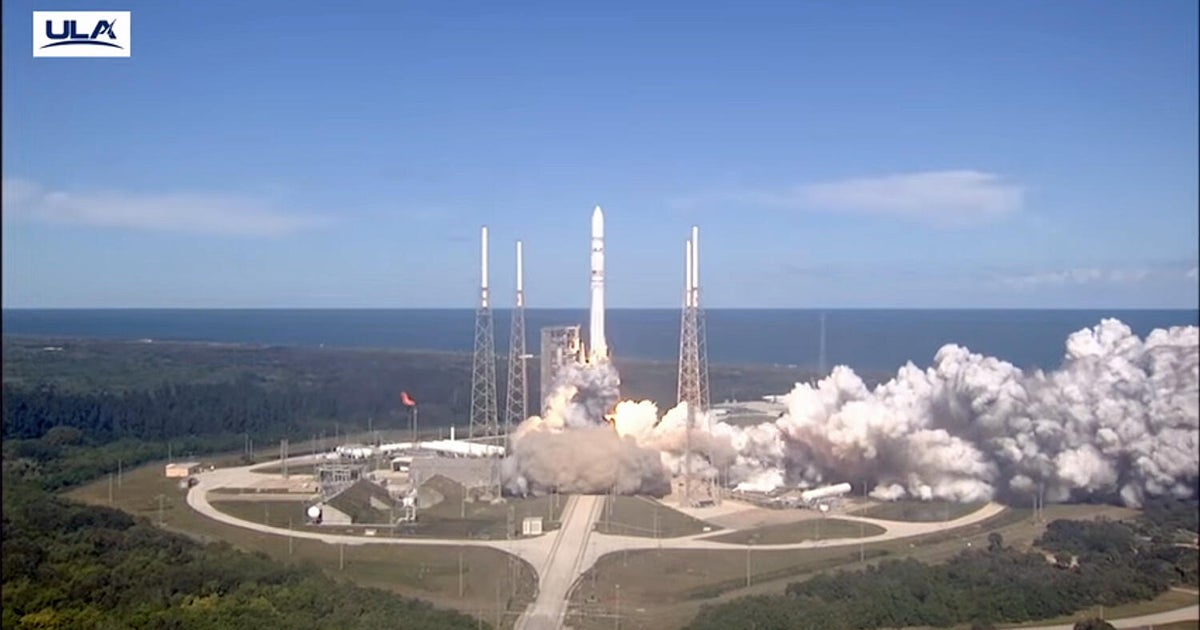
United Launch Alliance’s (ULA) long-standing reliability record was broken on November 15, 2026, when the company’s Vulcan rocket suffered a critical failure minutes after liftoff from Cape Canaveral Space Force Station. The vehicle, carrying 40 Amazon low Earth orbit (LEO) broadband satellites intended to bolster Amazon’s bid for global satellite internet, was confirmed lost by ULA roughly 10 minutes into the flight.
Launched at 12:40 p.m. Eastern Time from Space Launch Complex 41, the mission represented a crucial step in Amazon’s high-profile attempt to deploy a formidable internet satellite constellation. However, according to statements from ULA’s Launch Director and subsequent corporate communications, an undisclosed anomaly during ascent prevented Vulcan from delivering its payload to the intended orbit. ULA has not released specific details, stating, “Since the anomaly just occurred, we do not yet have specific data to understand what happened today.”
The loss of these 40 satellites means a significant delay for Amazon’s project, which aims to compete with satellite internet providers in a rapidly evolving space sector. Amazon publicly acknowledged the setback, calling ULA a “reliable partner” and expressing confidence that the company would recover from the incident and continue with its support of future launches.
The failure marks ULA’s first mission loss since its founding as a joint venture between Boeing and Lockheed Martin in 2006—a notable break in an otherwise unblemished launch record. Vulcan, the next-generation vehicle intended to secure both government and commercial space contracts, had faced technical issues in previous years involving solid rocket booster nozzles, leading to previous pauses in national security launches by the U.S. Space Force. While those issues were reportedly resolved before this launch, the current failure puts additional scrutiny on the rocket’s reliability.
ULA has initiated a formal investigation and pledged full transparency with Amazon and other stakeholders. There is currently no announced timetable for the rocket’s return to flight, and industry analysts anticipate reviews that could impact the schedule for Amazon’s satellite deployment, as well as broader confidence in Vulcan for future national security and commercial missions.
The coming weeks are expected to yield further information as ULA examines data from the failed flight. For now, the loss casts uncertainty over the immediate next steps for both a legacy launch provider and one of the world’s tech giants seeking to extend its reach into space-based internet services.