
The fragile calm in Yemen shattered as renewed conflict between Houthi rebels and government forces approaches its third month, leaving children at the heart of the devastation. According to UNICEF, at least 64 children have been killed and as many injured since hostilities reignited on September 3, a toll set to rise as urban battles intensify in areas such as Taiz and Lahj governorates.
The upsurge in violence follows the breakdown of a four-year UN-brokered truce between the Iran-backed Houthis and Yemeni government troops, who are aligned with a Saudi-led coalition. This reversal has not only fueled the direct threat of shelling and gunfire, but has also crippled services essential to young lives. UNICEF points to damage across at least seven schools—including five it directly supports—and 28 health facilities. A particularly devastating attack on November 2 at the UNICEF-backed Al-Suqyah Health Centre in Lahj resulted in five deaths, including three health workers.
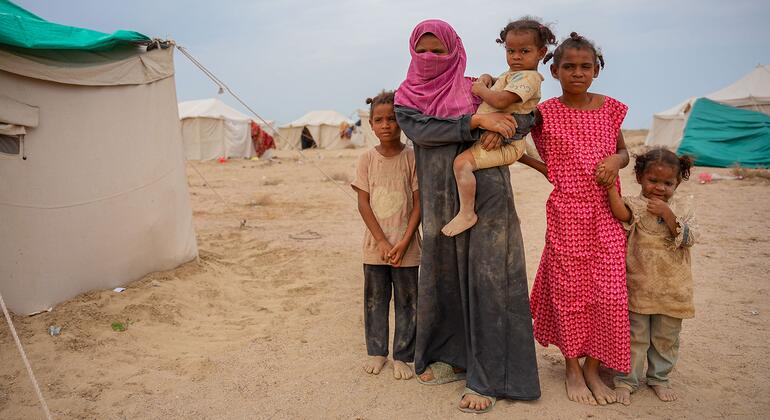
Beyond the immediate casualties, civilians face a growing humanitarian crisis marked by mass displacement. Over 330,000 people, among them some 174,000 children, have fled their homes, many now surviving in unfinished or damaged buildings with scarce access to food, clean water and medical care. The situation is especially dire in Taiz City: more than 800,000 residents are reportedly cut off from vital humanitarian assistance due to the closure of the main road from Aden, while alternative routes remain insecure as Houthi fighters close in within 60 kilometers of the government’s stronghold.
Inside besieged Taiz, water production has plunged by nearly fifty percent. Food and fuel prices have more than doubled and shortages of medicine, oxygen, and electricity threaten emergency and maternal care, according to UNICEF. Education has also been upended. Over 1,160 schools in affected areas have shut or suspended classes, disrupting schooling for more than half a million children. Mobile health teams found that around one in three children screened was acutely malnourished, underscoring the danger beyond the frontlines.
In an urgent appeal, UNICEF Executive Director Catherine Russell insisted that warring parties comply with international law and protect children’s access to healthcare, education, and sustenance. As the crisis deepens, UNICEF is ramping up its emergency operations, redeploying mobile health and nutrition units and intensifying water, sanitation, and psychosocial support for children, especially those separated from families or traumatized by violence.
;Despite stepped-up aid, Yemen’s children remain at grave risk as conflict once more eclipses the fragile hopes of peace.