
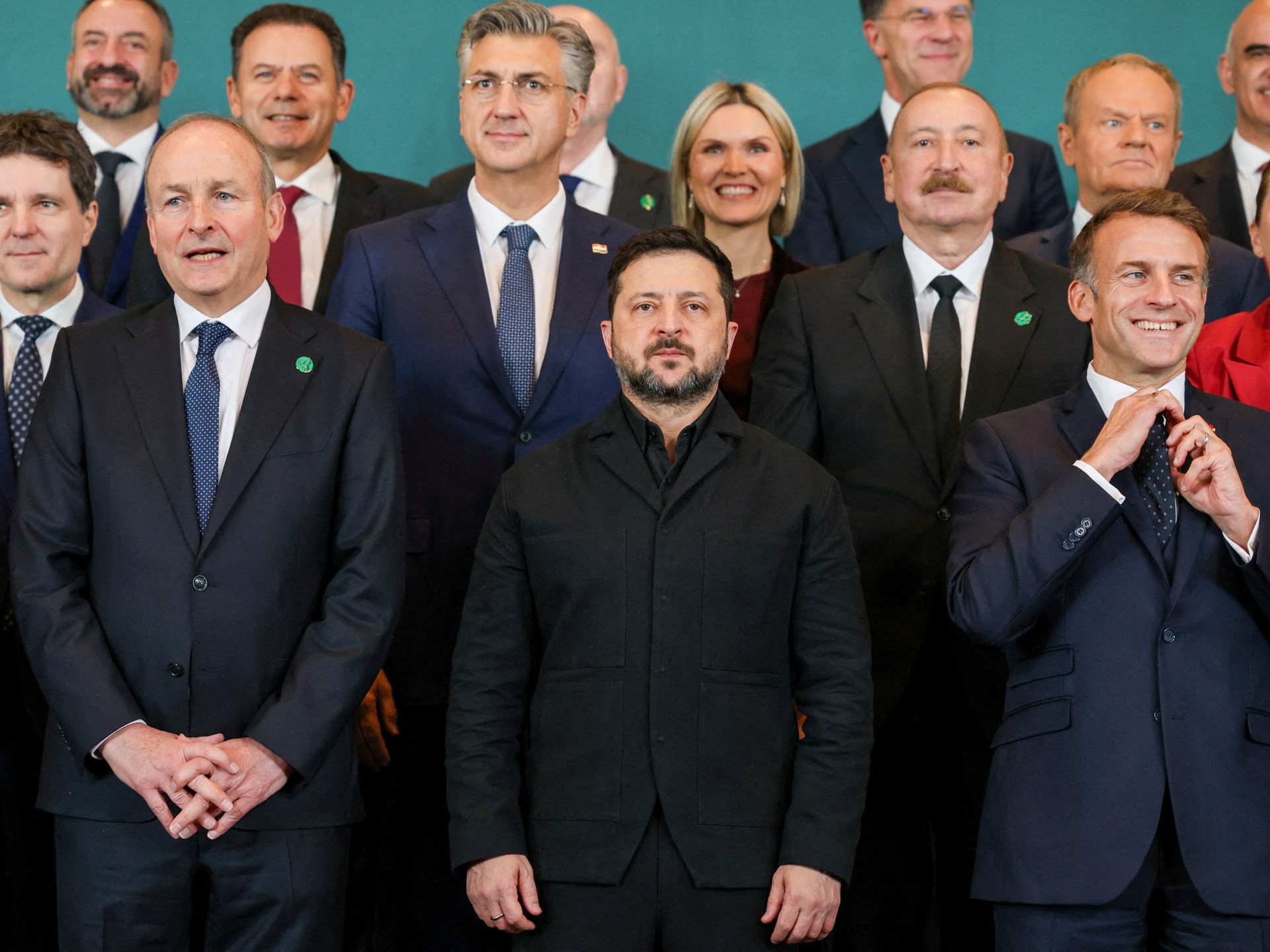
Efforts to broker peace in Ukraine took a tentative step forward on November 16 as senior Ukrainian officials led by President Volodymyr Zelenskyy joined U.S. envoys and European leaders in a new round of online negotiations. The move comes as the conflict enters another volatile phase, marked by overnight Russian missile strikes on critical infrastructure in Kyiv that shut down two major bridges across the Dnipro River.
According to multiple published reports, the talks—held online with participants from Ukraine, the United States, France, Germany, the United Kingdom, Italy, and Poland—culminated in a preliminary agreement to gather in Berlin under the so-called “Coalition of the Willing,” a bloc of countries advocating for Ukrainian sovereignty. The meeting marked the first formal inclusion of both U.S. and a broad European presence in the latest attempt to negotiate an end to Russia’s invasion, which has raged since 2022 after years of conflict dating back to 2014 (aljazeera.com).
The composition of upcoming talks remains in flux. While American envoys, Steve Witkoff and Jared Kushner, have advocated for European seats at the negotiating table, Russia has notably withheld confirmation of such participation. Kremlin spokesperson Dmitry Peskov reiterated Moscow’s stance that Europe must prove its commitment before joining the next round, highlighting acute distrust on all sides (lemonde.fr, themoscowtimes.com).
On the ground, meanwhile, the realities of war persisted. On the night of November 16-17, Russian ballistic missiles struck Kyiv’s North and South bridges, vital links spanning the Dnipro River and central to both civilian movement and city utilities. Municipal authorities quickly closed the damaged bridges as structural surveys began, leaving the extent of the destruction and a timeline for repairs uncertain (streamlinefeed.co.ke).
The strikes serve as a stark reminder of the chasm between diplomatic progress and military escalation. While the negotiating parties cited a shared commitment to de-escalation, each new attack—including this latest on Kyiv’s infrastructure—undermines confidence in a lasting truce and exposes the civilian population to renewed hardship.
Diplomatic sources report the U.S. continues to press for unified Western participation. Secretary of State Marco Rubio made a direct appeal for European involvement at a G7 foreign ministers’ meeting in Paris on November 11, although Russia has still not agreed to formally include allied European representatives (streamlinefeed.co.ke).
A rare point of tentative progress has been agreement in principle between Russia and Ukraine on a large-scale prisoner exchange, following mediation in Abu Dhabi. Details on the scope of the exchange and the precise timing are not finalized, but both sides have expressed cautious optimism that such steps could help lower the temperature of the broader conflict (apnews.com).
European leaders, some of whom have voiced frustration at being sidelined, are preparing to send a joint diplomatic team to the anticipated Berlin negotiations. The final makeup of the European delegation—and whether Russia will accept its full inclusion—remains one of the process’s key outstanding uncertainties.
As of November 17, the outlook for both diplomacy and daily reality in Ukraine remains unpredictable. While the push for a negotiated settlement exhibits renewed energy, the destruction wrought by ongoing military strikes demonstrates that the road to peace will be neither rapid nor certain.