
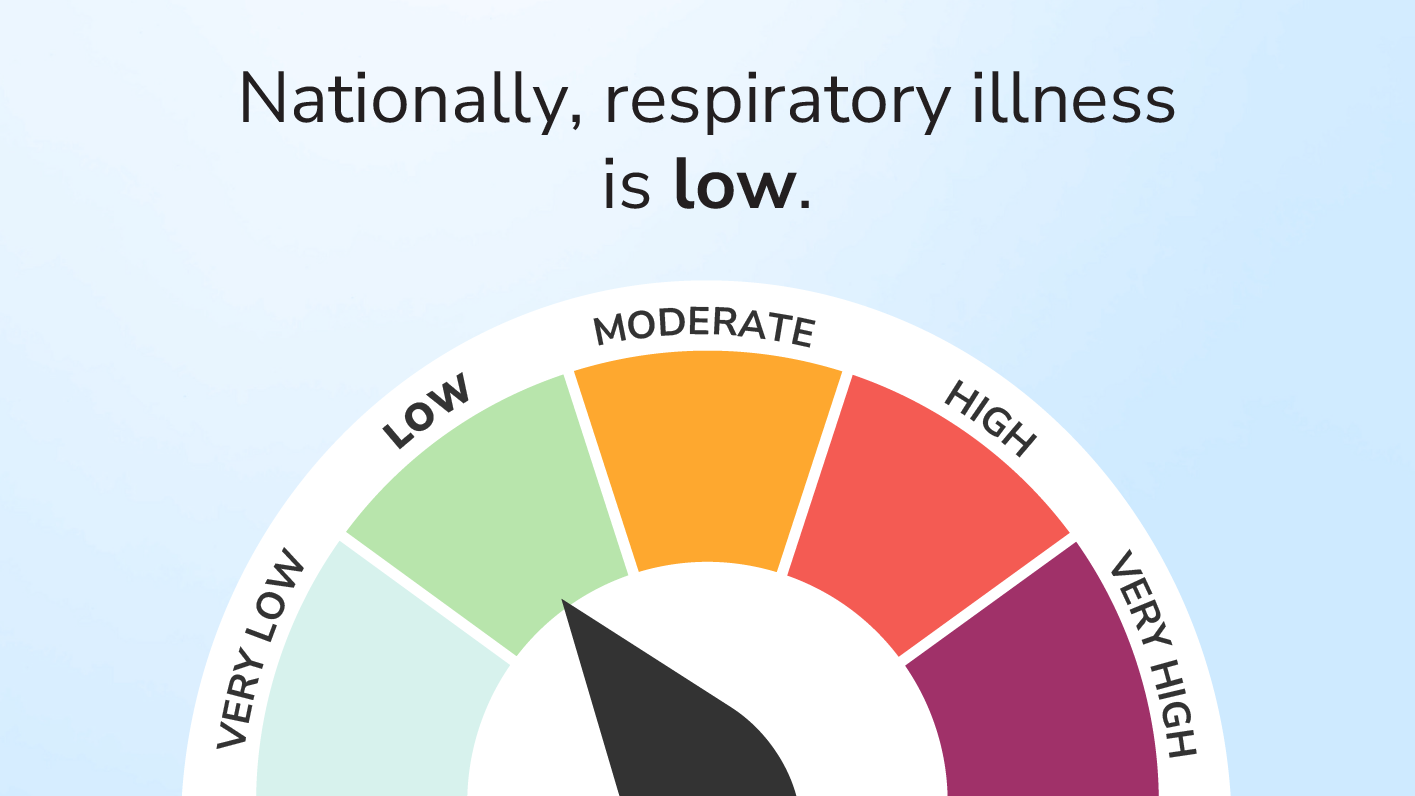
An increase in respiratory illnesses is emerging across the United States, with the Centers for Disease Control and Prevention (CDC) reporting new data that shows a rising trend among emergency department visits for COVID-19, influenza (flu), and respiratory syncytial virus (RSV). As of November 13, 2026, while overall acute respiratory illness (ARI) activity remains categorized as “Low” nationally, public health officials have identified a clear upward trajectory, particularly as the nation enters the typical fall and winter viral season.
According to the CDC, the surge—though still at low absolute levels—has affected all age groups. Children under five are leading in emergency department visits linked to COVID-19 and RSV, while adults aged 65 and over remain at higher risk for severe flu outcomes. Hospitalization rates for influenza are climbing, primarily impacting older adults but also showing increases among younger children. CDC tracking through community viral activity—assessed using wastewater surveillance—shows moderate national levels of COVID-19 with considerable variation by state, while flu and RSV activities are increasing but currently below historical peaks in most areas.
Geographic disparities have emerged. States such as Florida and Hawaii have reported moderate ARI levels, and many other states are beginning to note rises above seasonal baselines. This mirrors typical seasonal patterns—respiratory viruses often escalate in colder months—but the precise causes behind the current increases remain under investigation, according to CDC officials. The agency has not attributed the rise to a single factor, emphasizing a confluence of returning school sessions, seasonal behavior changes, and ongoing viral evolution.
Beyond the three headline viruses, several other respiratory pathogens are circulating. Group A strep cases spiked earlier in the school year but now appear stable, with most incidents manifesting as typical strep throat or mild scarlet fever. Rhinovirus, enterovirus, and respiratory adenovirus levels remain elevated nationally, contributing to symptoms such as cough, fever, and congestion. Mycoplasma pneumoniae and pertussis (whooping cough) rates are low, though public health officials urge continued vaccination and monitoring.
The CDC’s recommendations remain consistent: hand hygiene, masking when appropriate, vaccination for flu and COVID-19, and staying home when symptomatic. While the current season resembles forecasts and patterns seen in prior years, ongoing research aims to identify whether shifts in virus behavior or population immunity are affecting the 2026-2027 illness season trajectory.
The CDC continues to update data weekly and will revise its outlook if significant changes in national or regional trends are detected. For now, the public is advised to maintain vigilance as respiratory disease activity climbs into the winter months.