
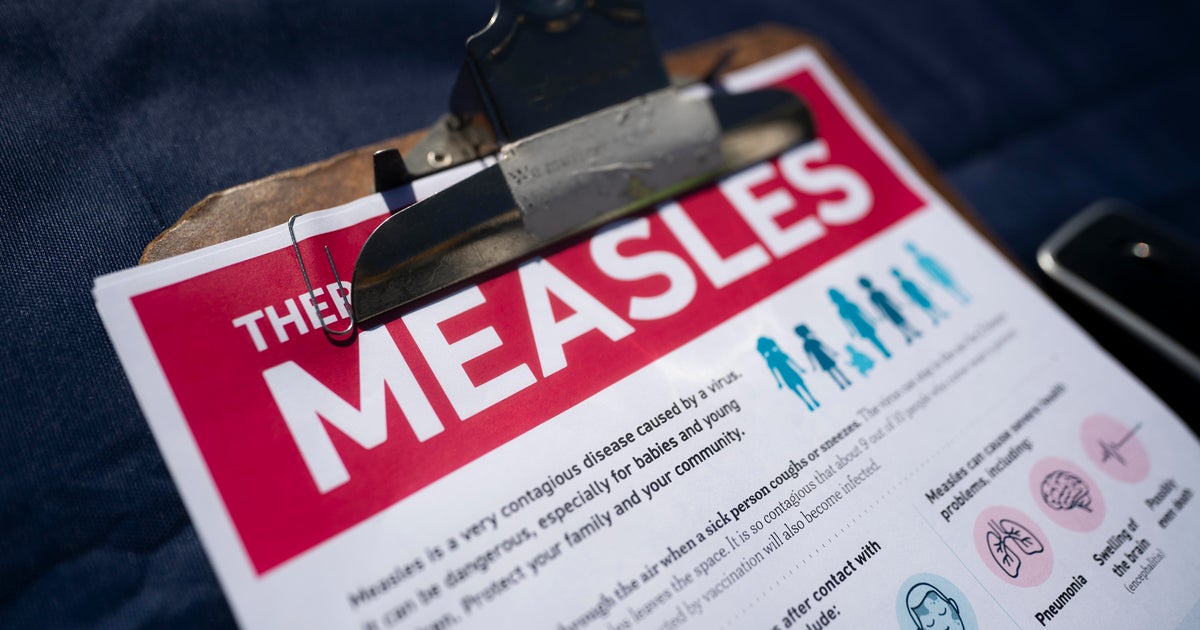
The United States no longer holds its status as a country where measles has been eliminated, following a year of continuous outbreaks and a sharp increase in cases. This reversal, officially announced by the Pan American Health Organization on November 17, 2026, marks an end to more than 25 years of what had once been celebrated as a landmark public health achievement.
Persistence of Outbreaks
The decision was triggered by ongoing, unchecked transmission of the measles virus in several states, most notably Pennsylvania, Wisconsin, and New York. Pennsylvania alone recorded more than 1,500 cases and seven deaths in 2026, while Wisconsin and New York also experienced measles-related fatalities. According to updated CDC figures, there were 5,412 confirmed cases nationwide as of November 12, exceeding totals from any year since the early 1990s (CBS News; The Guardian).
Falling Vaccination Rates and Contributing Factors
Experts point to declining measles, mumps, and rubella (MMR) vaccination coverage as a central driver. The national proportion of kindergartners receiving MMR vaccines dropped to 92.4% in the 2025–26 school year—below the 95% threshold necessary for herd immunity. The fall in immunization rates is attributed to a complex mix of vaccine hesitancy, persistent misinformation, and disruptions caused by the COVID-19 pandemic, according to the Centers for Disease Control and Prevention and independent analysts.
Health Leadership Response
Health and Human Services Secretary Robert F. Kennedy Jr. acknowledged the loss of elimination status as a historic setback, emphasizing a federal commitment to restoring trust in vaccination and closing protection gaps. Though some reports and critics attribute policy changes and the rise of anti-vaccine sentiment to worsening outbreaks, health agencies stress that rebuilding immunization coverage is essential to prevent further suffering and deaths among vulnerable groups, especially children under five.
Implications and Next Steps
The resurgence of measles—once a largely preventable disease—now threatens broader public health. Regaining elimination status will require the U.S. to halt sustained transmission for at least 12 straight months and demonstrate high vaccination rates nationwide. The CDC and local health departments are intensifying outreach and immunization campaigns, but the challenges of rebuilding confidence and combatting misinformation remain steep.
For now, the United States re-joins countries combating endemic measles, and experts warn that until underlying issues are addressed, outbreaks will likely persist, along with preventable hospitalizations and deaths.