
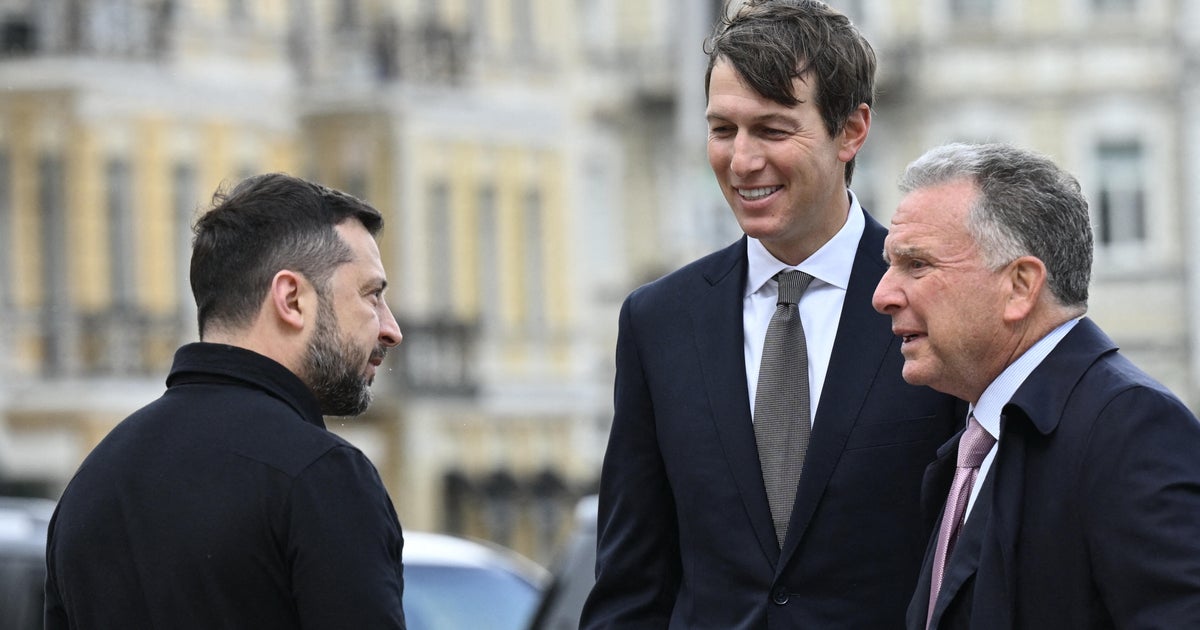
In a diplomatic push that could reshape the path to peace in war-torn Ukraine, U.S. envoys Jared Kushner and Steve Witkoff have taken center stage, advancing American efforts to directly engage Europe and Russia. Over the first half of November, the U.S. team arranged a series of high-level meetings from Abu Dhabi and Moscow to Dublin, aiming to expand the negotiations beyond Kyiv and Moscow to include pivotal European leaders for the first time.
A New Chapter: Europe Enters the Talks
The breakthrough arrived in Moscow on November 12, where, according to U.S. envoy Witkoff, Russian President Vladimir Putin agreed in principle to allow direct European representation in the next round of peace negotiations. Hours later, Kushner and Witkoff met with Ukrainian President Volodymyr Zelenskyy in Dublin, briefing him on the Moscow discussions and further preparing the diplomatic stage for broader, trilateral talks (Los Angeles Times, Nov. 12, 2026).
Prisoner Exchange—A Tangible Outcome
In parallel with these talks, Russia and Ukraine—through U.S. mediation in Abu Dhabi—agreed in principle to a major prisoner exchange, marking a modest but concrete step amid the otherwise deadlocked conflict (Associated Press, Nov. 11, 2026). However, details regarding numbers and timing remain unresolved.
Europe’s Dilemma: Support and Skepticism
With European participation now on the table, leaders within the EU have rallied in support of joining peace talks, emphasizing the need to safeguard Ukraine’s territorial integrity and a European voice in any new security architecture (Le Monde, Nov. 13, 2026). Yet, concerns persist. At a summit in Dublin on November 13, officials voiced suspicion that Moscow could use discussions of a new “European security framework” to undermine NATO and solidify territorial changes imposed by force (Associated Press, Nov. 14, 2026).
Moscow’s Terms: Limits to Compromise
Even as Putin signaled openness to European negotiators, he declared any deployment of European troops to Ukraine after a ceasefire unacceptable, underscoring the fragility and complexity of designing a peace that accounts for security needs, sovereignty concerns, and regional mistrust (Los Angeles Times, Nov. 12, 2026).
Next Steps: Fragile Progress and Lingering Obstacles
The U.S. maintains its focus on facilitating dialogue—rather than imposing its own settlement—while preparations continue for the forthcoming round of face-to-face negotiations. As Europe prepares to join fragile talks with Russia and Ukraine, the critical questions of post-war security, guarantees for Ukraine, and the future of the continent’s defenses remain deeply contentious.
Whether this widened diplomatic circle can turn goodwill and incremental agreements, such as the prisoner swap, into lasting peace will hinge on the ability of all sides to reconcile competing priorities and overcome longstanding mistrust in Europe’s most volatile conflict since the end of the Cold War.