
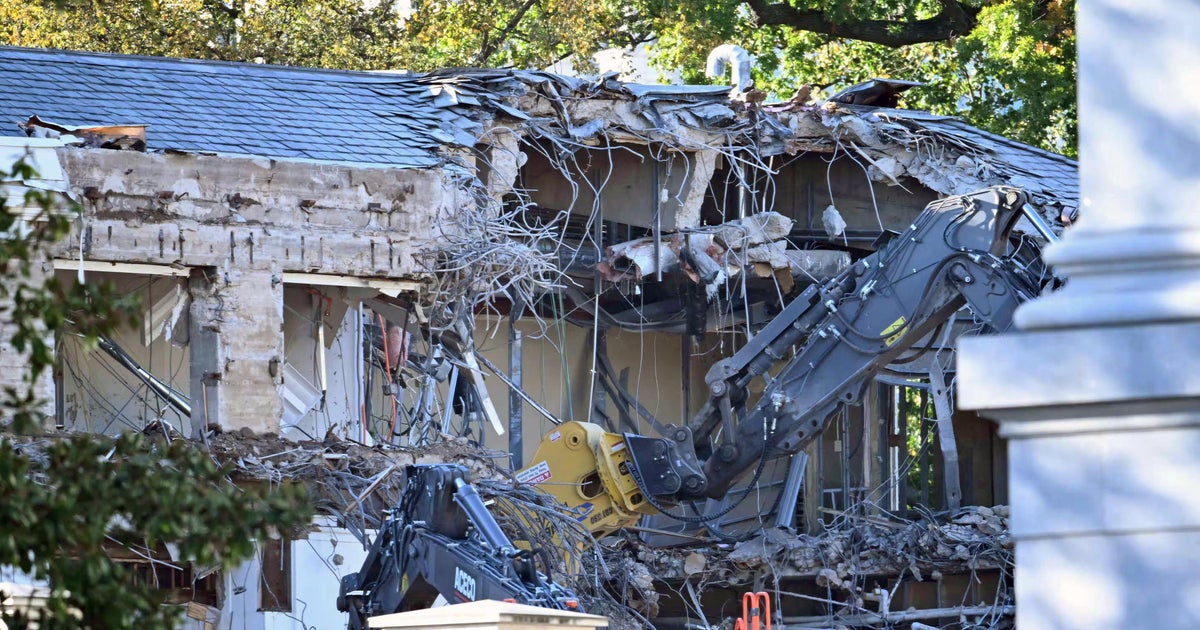
The most ambitious White House renovation since the Truman era is underway, as President Donald J. Trump’s administration pursues the construction of a new 90,000-square-foot State Ballroom and a series of related improvements across the presidential complex.
Demolishing the East Wing for a New Landmark
Initiated on July 31, 2025, the project involves razing the historic East Wing—erected in 1902 and last majorly modified during World War II—to make room for the vast new ballroom, intended to host official events on an unprecedented scale. The East Wing’s removal has sparked alarm among preservationists, who warn of a permanent loss to the White House’s architectural lineage (CBS News).
Funding, Cost, and Transparency Questions
Originally projected at $200 million and now climbing past $300 million, the initiative will be paid for by private donors, including contributions from President Trump, according to the White House (WhiteHouse.gov). Yet, the private nature of the funding has drawn scrutiny from members of Congress and good-government advocates, who cite a lack of clarity and potential conflicts arising from donor ties (Factually.co).
Additions Beyond the Ballroom
The ballroom is the centerpiece of a broader series of projects, including a $3 million brick replacement and redesign at Lafayette Square and the extension of a black granite walkway outside the West Wing (The Daily Beast). These expansions, set against the backdrop of Washington’s most visible landmark, are projected to finish before President Trump’s term concludes.
Historic Scale, Legal and Political Pushback
Comparisons with the Truman-era gut renovation—a $5.7 million project in the late 1940s (about $71 million today)—highlight the unprecedented ambition and cost of the current overhaul (Wikipedia). Despite assurances of reviving White House grandeur, critics argue the plans risk erasing historic features and were developed without broad public input. Preservation groups have mounted lawsuits and are seeking to halt demolition, citing possible federal legal violations and a lack of regulatory review (Oversight Committee).
Public Reaction and Next Steps
Polls suggest public sentiment remains divided, with some viewing the construction as excessive or self-serving, and others welcoming the modernization and new grandeur for national ceremonies. As construction presses forward under a close legal and political watch, the current wave of changes appears set to redefine the White House’s role as both a residence and a stage of American power for decades to come.