
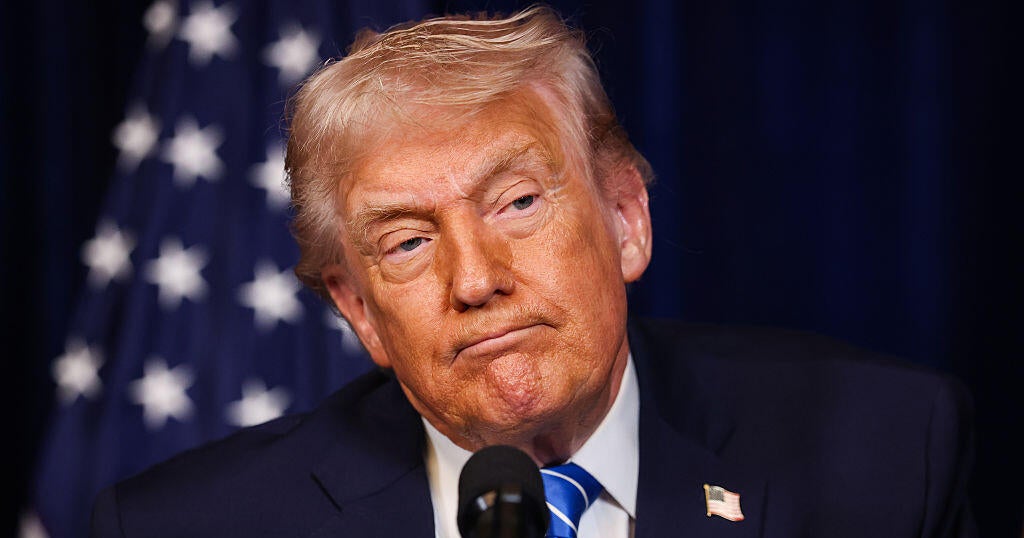
The scale of President Donald Trump’s newly unveiled $1.5 trillion defense budget request for fiscal year 2027 has few modern parallels, introducing sharp fault lines in Washington and stoking debate across the country. Announced on January 7, 2026, the proposal asks Congress to approve a 66% increase over the previous year’s military budget—an expansion justified by Trump as essential in what he called “troubled and dangerous times.” (CBS News, 2026-01-07)
At the heart of Trump’s spending blueprint are major investments: new warships for the U.S. Navy, replenishment of munitions depleted by conflict in Iran, and development of a new “Golden Dome” missile defense system, positioned by the administration as critical to evolving national security threats. But beneath these headline numbers, the plan’s funding mechanism—significant increases in tariff-derived revenue—has emerged as a central flashpoint. Fiscal and policy analysts cite broad skepticism over whether tariff gains could reliably offset such enormous spending, raising additional questions about potential strains on the federal deficit. (FactCheck.org, 2026)
Congressional reaction was swift and divided. Lawmakers from both parties signaled concern over the feasibility of funding such a historic increase without triggering substantial cuts elsewhere in the federal budget. Initial budget documents indicate proposed reductions for civilian programs coverage, particularly in health research, education and renewable energy—trade-offs that have already galvanized opposition. (Washington Post, 2026-04-03)
Should the proposal pass in its current form, it would represent the largest single-year defense spending surge since World War II, according to analysts from the Center for Strategic and International Studies. Even so, officials at the Pentagon are reportedly preparing for a more modest allocation in case congressional negotiations yield a scaled-back agreement. (CSIS, The Daily Beast, 2026-10-30)
Meanwhile, public opinion reveals deep divisions: some see the defense buildup as an overdue modernization, while others fear erosion of social safety nets. Heavy congressional negotiations remain underway, with the outcome likely to shape the broader trajectory of U.S. fiscal and foreign policy well into the next decade. Political analysts warn that protracted battles over defense priorities and funding sources could complicate lawmakers’ efforts to finalize appropriations before the next fiscal year. (The Atlantic, Axios, 2026)
As of November 18, 2026, the proposal is far from enacted. Lawmakers continue to hash out the shape and terms of the defense package amid mounting questions about economic sustainability and America’s priorities at home and abroad. The White House, for now, stands firm in its rationale—arguing that bolstering the military is necessary for U.S. security in an uncertain global climate—while critics on and off Capitol Hill continue to demand greater clarity on both the strategy and the bottom line.