
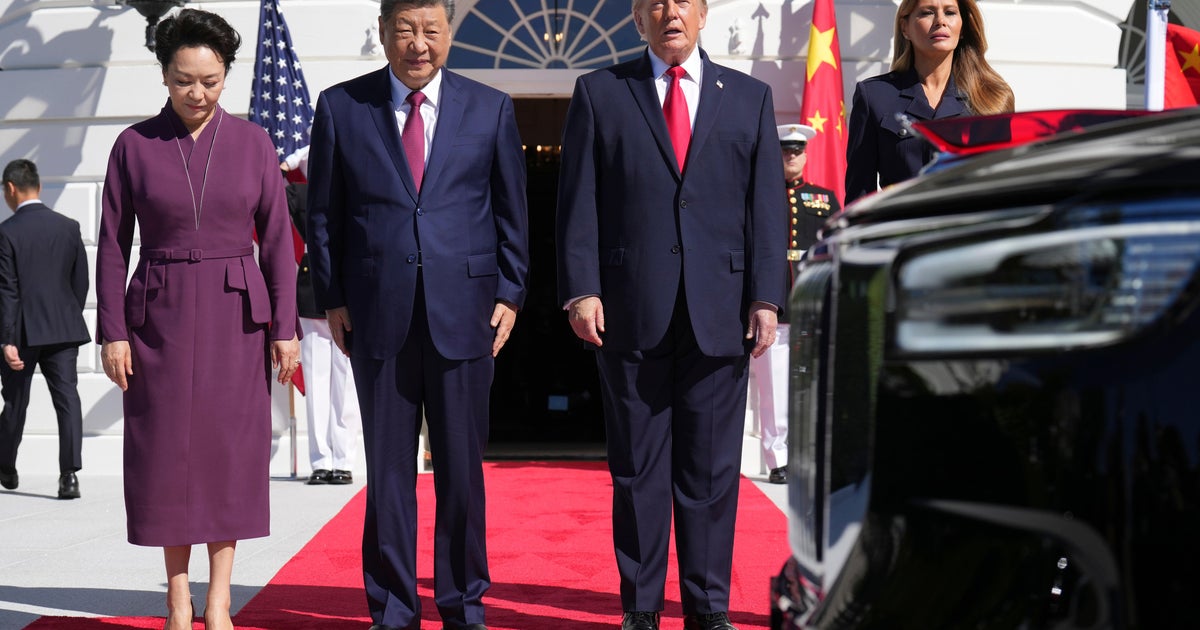
President Donald Trump is set to hold a rare trilateral summit with Chinese President Xi Jinping and Russian President Vladimir Putin in Shenzhen on November 19, 2026, during the Asia-Pacific Economic Cooperation (APEC) summit, according to a White House confirmation on November 13. This high-stakes meeting will center on the ongoing Iran war and renewed nuclear arms talks, marking a significant moment for U.S. diplomacy in Asia while avoiding the thorny issue of Ukraine on this occasion.
The summit’s agenda, outlined in recent White House briefings, prioritizes global security themes: the Iran war’s escalation remains a particular concern for all three powers, while prospects for nuclear arms negotiations have emerged in light of shifting global alliances. Absent from the table, at least formally, is Russia’s war in Ukraine—a topic relegated to related talks involving U.S. envoys and European officials later this month.
President Trump’s envoys, Steve Witkoff and Jared Kushner, are orchestrating follow-on meetings with Ukrainian and European leaders in Berlin on November 20. Their aim is to secure commitments for Ukraine’s post-war economic recovery and bolster long-term security guarantees, particularly as Western allies work to deter further Russian aggression. This Berlin round follows recent dialogues in Moscow between Witkoff, Kushner and President Putin, as well as a subsequent call with Putin’s adviser, Yuri Ushakov, signifying continuous diplomatic channels between Washington, Moscow, and key European capitals.
Meanwhile, U.S.–China relations are navigating both old and new tensions. On the economic side, Treasury Secretary Scott Bessent and Chinese Vice Premier He Lifeng met in New York on September 20 to lay the groundwork for this week’s summit. At the same time, both sides agreed to extend an economic truce until January 10, 2027, maintaining a delicate balance as trade negotiations remain unresolved. Progress on meeting trade commitments reached at the Trump-Xi summit in Beijing in May has reportedly been uneven, with sources highlighting ongoing challenges.
Another major theme—artificial intelligence—has gained urgency. U.S. and Chinese officials have discussed establishing a dedicated channel to address AI-related accidents and incidents, reflecting the pivotal role AI now plays in both bilateral competition and potential cooperation. Talks continue over possible mechanisms to manage emerging AI risks and prevent inadvertent military escalation.
These summits and diplomatic initiatives highlight a multi-pronged U.S. strategy in Asia: engaging China and Russia on shared security challenges, advancing discussions on AI safety, and keeping the lines open on trade. With the world’s attention turned to Shenzhen, the outcomes may set the direction of global affairs for months to come.