
The death of two-year-old Shelly in Bakersfield, California, has become a focal point in a criminal trial now entering its third week, as prosecutors and defense attorneys present starkly contrasting narratives regarding responsibility for the child’s fatal injuries. The tragedy has drawn local and regional attention to continuing concerns about child abuse and domestic violence in California.
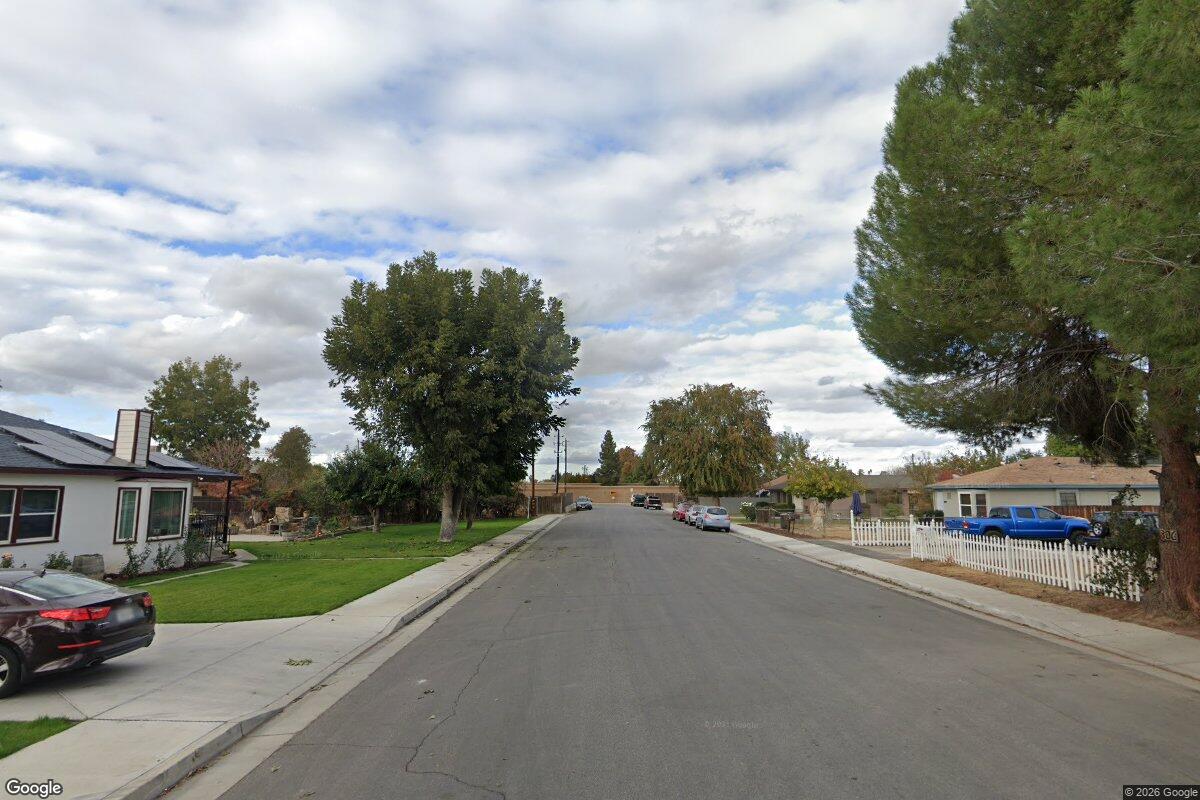
Shelly was found unresponsive in the 300 block of Vernal Place on October 10, 2024, and later died from injuries that authorities immediately deemed suspicious. Prosecutors allege that Gregory MacDonald, Shelly’s mother’s boyfriend, inflicted the fatal harm during an incident in the household. According to court documents described in reports from KGET 17 News and AOL News, the prosecution contends that MacDonald regularly abused Shelly and that her mother, Chandy McCarthy, failed to intervene despite knowledge of the ongoing danger.
McCarthy and MacDonald are both charged with second-degree murder, willful child cruelty, and assault resulting in death. Notably, each defendant is being tried before separate juries, reflecting legal strategies designed to address the conflicting defense theories offered in court.
During proceedings, McCarthy’s attorney has argued that Shelly’s injuries occurred only while under MacDonald’s exclusive care, suggesting that McCarthy’s error was trusting the wrong person rather than participating in, or permitting, abuse. In contrast, MacDonald’s defense attorney has pointed to allegations of McCarthy’s prior history of child abuse, asserting she is ultimately responsible for her daughter’s death.
With both sides rejecting culpability and advancing competing narratives, the case remains unresolved. No verdict has been reached as of November 20, 2026, and jurors continue to hear evidence and arguments. The courtroom tension underscores the difficulty in pursuing justice in child abuse investigations, especially when blame is divided among caregivers and facts remain in dispute.
Beyond the immediate legal battle, the case has prompted renewed discussions in Bakersfield and across California about how systems respond to signs of abuse and what protections exist for vulnerable children. While cases of child fatalities under suspicious circumstances are not new in the state, the ongoing trial of McCarthy and MacDonald is being closely watched for potential implications on future child welfare and law enforcement practices.
The court’s ultimate findings—as well as any reforms the case might inspire—remain to be seen. For now, the trial highlights both the human cost and procedural challenges of the ongoing fight against child abuse in California.