
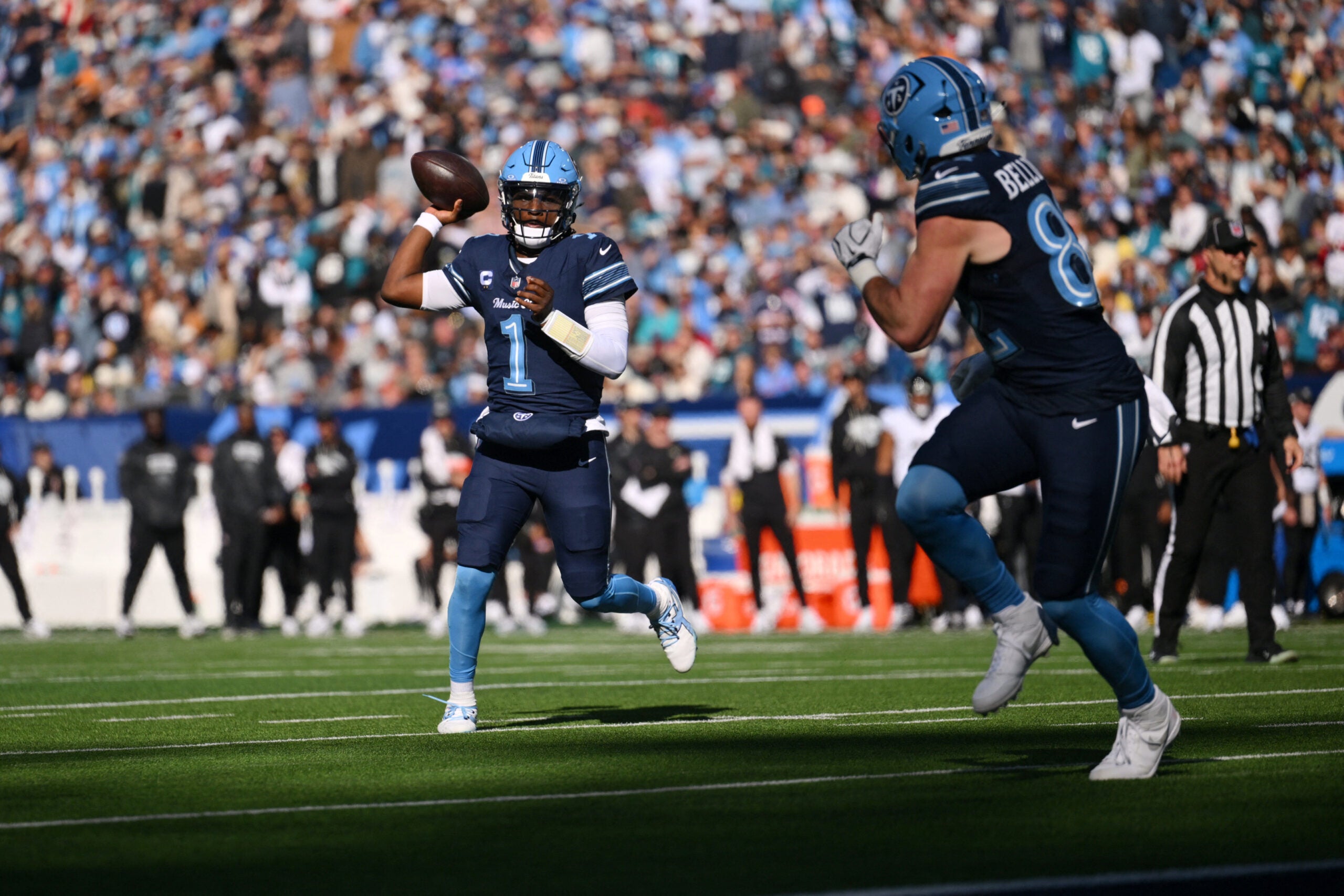
The Tennessee Titans have emerged as the NFL’s preeminent no-huddle team this season, deploying the rapid-fire tempo on a league-leading 23.3% of offensive snaps—a strategic transformation orchestrated by first-year head coach Robert Saleh. Yet as the team presses hard on the accelerator, the immediate payoff remains elusive: the Titans are mired at the bottom of the AFC South with a 1–8 record as of November 20, 2026, and are wrestling with persistent offensive and defensive woes.
Saleh’s pivot to a no-huddle offense marks a sharp departure from earlier Titans seasons, and it comes with clear intent. After the team’s notably low 4.4% no-huddle rate in a recent loss to the Indianapolis Colts, Saleh acknowledged a deliberate increase in up-tempo play-calling, aiming to put more control and decisiveness in the hands of rookie quarterback Cam Ward. The hope: that a quickened pace and simplified communication would help the young signal-caller find a comfort zone and spark an offense struggling with rhythm and execution.
Ward’s development is very much a live experiment. Saleh has been candid about the challenges Ward faces in his first NFL season, including aftereffects from a league-high 55 sacks in his rookie year—a burden the coach labeled as “PTSD.” Saleh recently noted incremental progress in Ward’s mechanics and decision-making, crediting the offensive coaching staff’s relentless effort, yet conceding that in-game consistency remains elusive. Ward himself has recognized the pressure to elevate his performance, especially in pivotal moments.
Despite the philosophical shift, the Titans’ offense has yet to reap significant benefits. Official league metrics confirm a stagnant output, with the team averaging just 4.8 yards per play and finding the end zone 17 times in nine games. The offensive line, long a point of debate in Tennessee, and a historically leaky defense—one that recently surrendered a franchise-record 1,460 total yards over three games—have compounded the effort to right the ship.
This strategic gamble is not without historical precedent. The no-huddle offense, popularized by the Buffalo Bills’ “K-Gun” attack in the 1990s and adapted by teams like the Ravens and Broncos a decade ago, has often empowered young quarterbacks to play faster, with communication simplified and rhythm prioritized. However, as analysts like NFL.com’s Bucky Brooks have argued, the scheme’s effectiveness hinges not just on tempo, but on a quarterback’s comfort processing defensive adjustments and the supporting cast’s ability to sustain drives under pressure.
Ultimately, Tennessee’s aggressive embrace of the no-huddle philosophy underscores both an urgency to develop a raw but talented quarterback and a willingness to experiment amid a difficult season. Whether the high-speed approach leads to long-term offensive stability or further exposes the roster’s developmental gaps remains to be seen as the Titans continue to search for answers on both sides of the ball.