
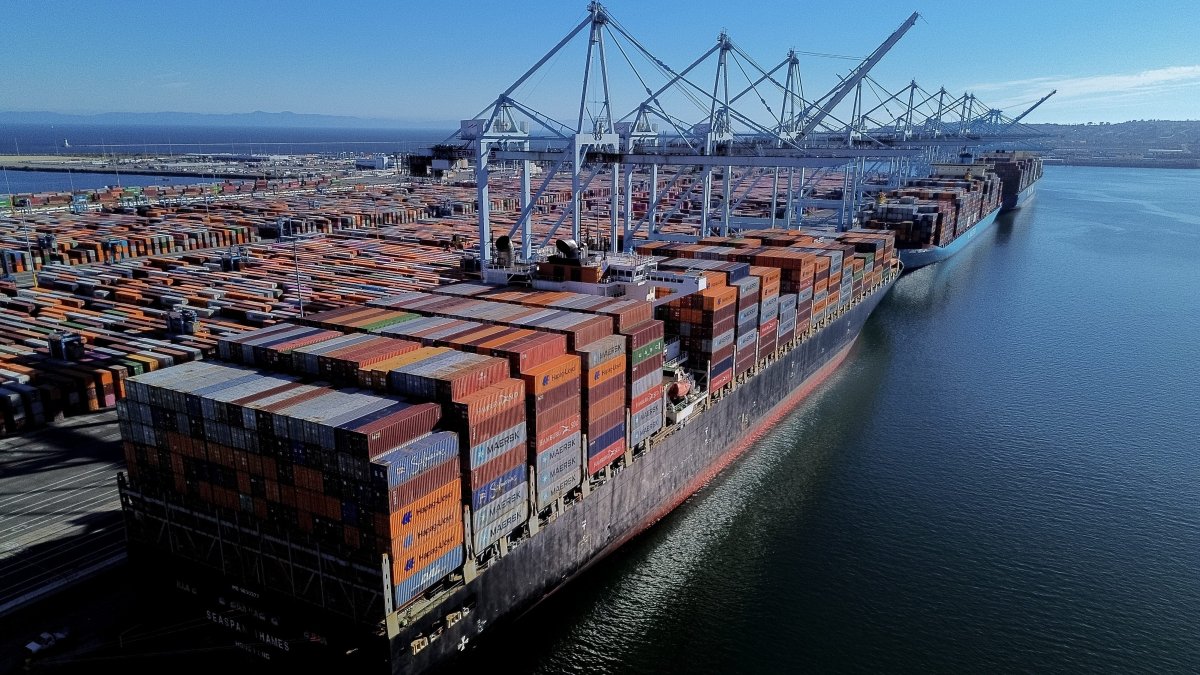
Operations at the Ports of Los Angeles and Long Beach, the two busiest container terminals in the United States, will continue uninterrupted after the Pacific Maritime Association (PMA) and International Longshore and Warehouse Union (ILWU) Local 26 announced a tentative labor agreement on November 21, 2026. This eleventh-hour accord averted an imminent strike threatened by nearly 250 security watchmen, whose absence could have brought cargo flow at these critical West Coast trade hubs to a near standstill.
The agreement comes after more than a year of negotiations following the expiration of the previous contract in July 2025. During this period, both sides had repeatedly extended the existing pact to allow for further talks. Federal mediators from the Federal Mediation and Conciliation Service were brought in as negotiations approached a tipping point in recent weeks, as the possibility of a strike loomed large over peak shipping season.
ILWU Local 26 represents the unarmed watchmen charged with front-line security at six major terminals operating across both ports. Their duties, including the verification of credentials and the enforcement of security protocols, are considered essential to the safe flow of goods. According to figures cited in official statements, the terminals employing these watchmen account for roughly 85% of cargo shipped through Long Beach and around a third of the volume at Los Angeles.
Without a deal, a walkout by these workers could have triggered a cascade of work stoppages by other union-represented staff, disrupting a pipeline that handles a large share of imports for American consumers and industry. “A strike could have had massive ripple effects throughout the supply chain, potentially paralyzing trade for weeks,” said one stakeholder who spoke to NBC Los Angeles in coverage of the agreement.
While the tentative deal has been hailed as a breakthrough, its terms remain under wraps pending a detailed presentation to Local 26’s full membership. The union is expected to schedule a ratification vote soon, sources indicated. Until that vote occurs, the prior contract remains in force, and the current calm at both ports is provisional.
This episode underscores both the strategic significance of the Los Angeles and Long Beach ports to national trade and the delicate dynamics of labor relations in an industry still feeling aftershocks of recent global supply chain disruptions. Observers say that while this tentative accord averts immediate crisis, attention will now shift to whether members approve the package—and if longer-term stability can be restored.
As of November 21, port operations continue with no reported interruptions, but all parties and shippers are acutely watching for any developments pending the outcome of the ratification process.