
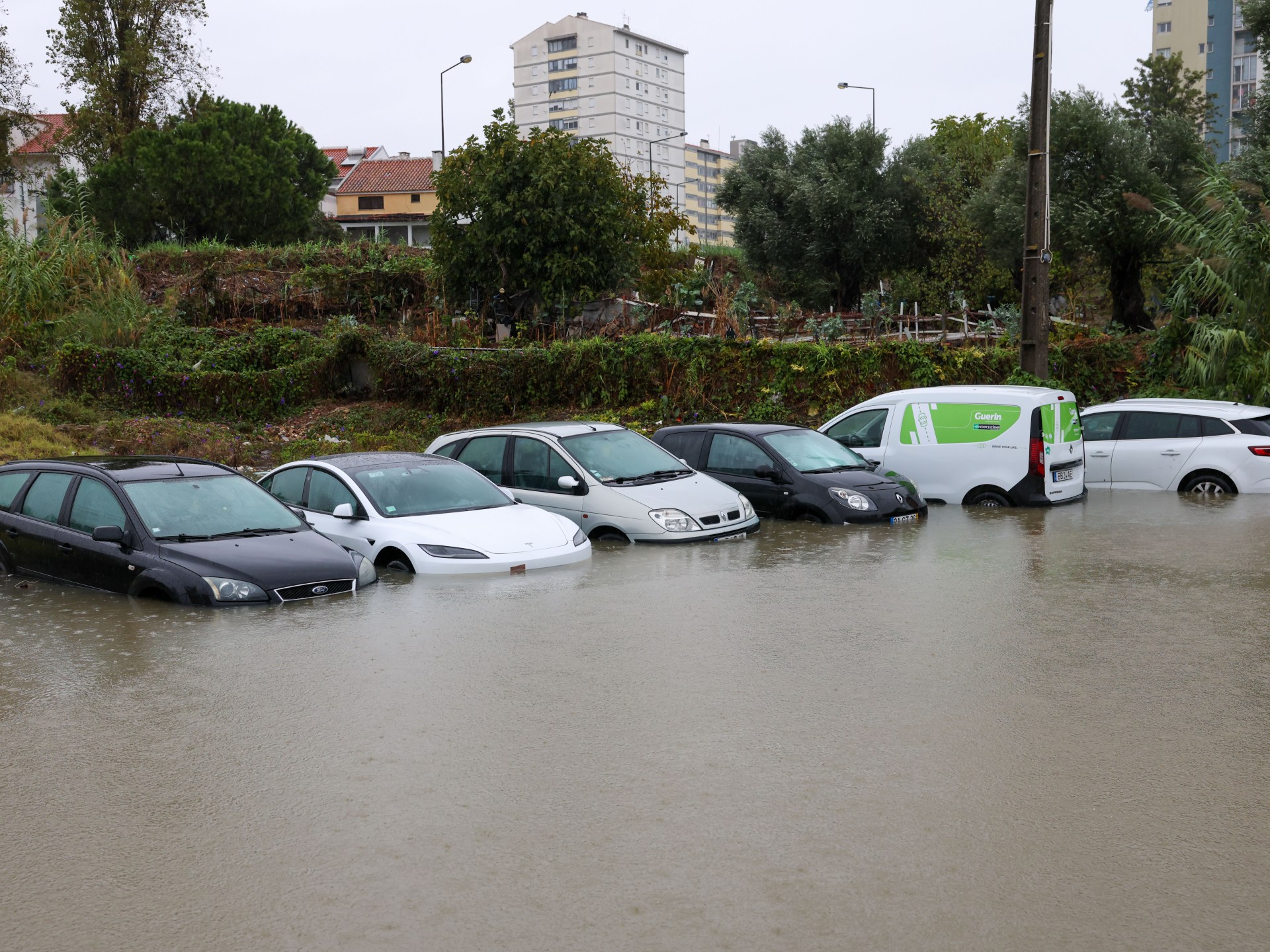
For three tense days in mid-November, Portugal was gripped by Storm Charles, a powerful weather system whose arrival on November 11, 2026 forced the preemptive shutdown of key public services and brought the country’s busiest airports to a near standstill. While forecasts had warned of severe wind and intense rainfall, the impact ultimately caused fewer casualties and damages than many feared—thanks in large part, officials say, to rapid government response and lessons learned from earlier storms.
At the heart of the disruption were Portugal’s major airports, which saw approximately 300 to 400 flights canceled between November 11 and 13, according to various reports spanning leading international outlets. Lisbon’s Humberto Delgado Airport bore the brunt of the cancellations, with at least 183 and possibly up to 208 flights disrupted by the storm. TAP Air Portugal, the national carrier, alone saw more than 130 of its services grounded from the capital city, contributing to an unprecedented logistical challenge for travelers and airline staff alike. Porto, Faro, and Madeira airports were also severely impacted.
On land, the public health and education sectors braced for the weather’s worst. The Portuguese government closed around 8,000 schools and suspended all non-essential public services. With meteorological agencies predicting wind gusts above 120 km/h (75 mph), and the risk of flooding and falling trees, authorities declared a state of alert and deployed emergency and military teams to vulnerable areas. While localized flooding and some infrastructure damage were reported, widespread devastation was largely averted.
By November 13, weather conditions improved, allowing the government to lift the state of alert and begin recovery. Officials credited the relative lack of severe incidents to coordinated early action, pointing to the rapid closures and high-visibility emergency deployments as critical to public safety. For many, these responses contrasted favorably with more chaotic scenes during Storm Kristin earlier in the year, which had drawn criticism for government unpreparedness.
As of November 22, all airports, schools, and services have resumed normal operations. Authorities remain vigilant for any residual effects, but no significant unresolved issues have been reported. With no major casualties or long-term disruptions, the episode is being cited as a case study in preparedness—though residents and government alike acknowledge the unpredictable nature of climate-driven extreme weather in Iberia’s future.