
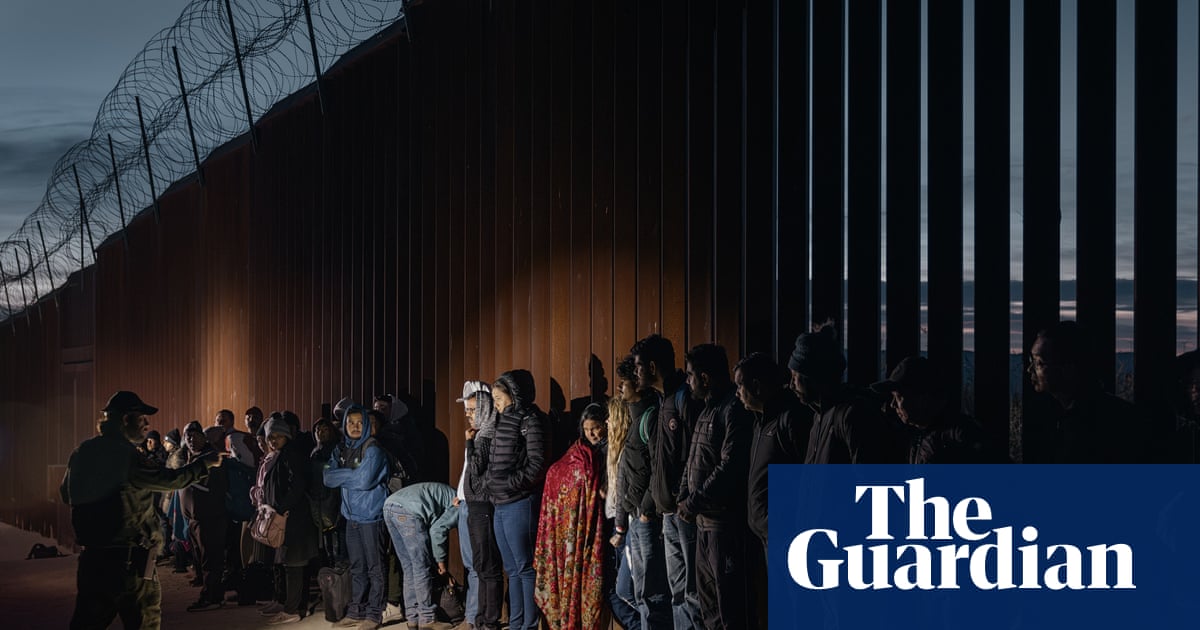
The Supreme Court has moved to the center of the nation’s immigration debate after announcing it will review the legality of President Donald Trump’s January 2025 proclamation restricting access to asylum at the U.S.-Mexico border.
This proclamation, known as Proclamation 10888, suspends asylum eligibility for certain migrants arriving at the southern border, invoking executive powers under Sections 212(f) and 215(a) of the Immigration and Nationality Act. The Trump administration has argued that these sections grant the president authority to suspend entry of noncitizens in response to what it called an “invasion” at the border.
Legal challenges promptly followed the announcement of the policy in 2025, with lower federal courts and the D.C. Circuit Court of Appeals ruling that the proclamation unlawfully bypassed procedures that Congress established, particularly those under Section 1158 of U.S. immigration law, which guarantees the right to apply for asylum regardless of manner of entry. These courts held that, although executive power over immigration is broad, it cannot override explicit statutory protections without clear congressional approval.
By accepting the case for review on November 13, 2026, the Supreme Court has set the stage for what observers consider one of the most significant tests of executive power over immigration in years. The Court is not expected to hear oral arguments until spring 2027, with a decision anticipated by the end of June that year.
Until then, the Trump-era restrictions remain in force, leaving many prospective asylum seekers affected by the rules. The central issue for the Court is whether a presidential proclamation can lawfully suspend access to asylum procedures when Congress has explicitly protected those procedures by statute. Legal scholars and policymakers are closely watching, as the outcome could define the contours of executive authority over immigration for future administrations.
This review comes amid broader legal and political struggles over U.S. immigration policy, with successive administrations testing the limits of unilateral changes through executive orders. The Supreme Court’s eventual decision is expected to have far-reaching implications for the balance between presidential authority and congressional intent on immigration matters.