
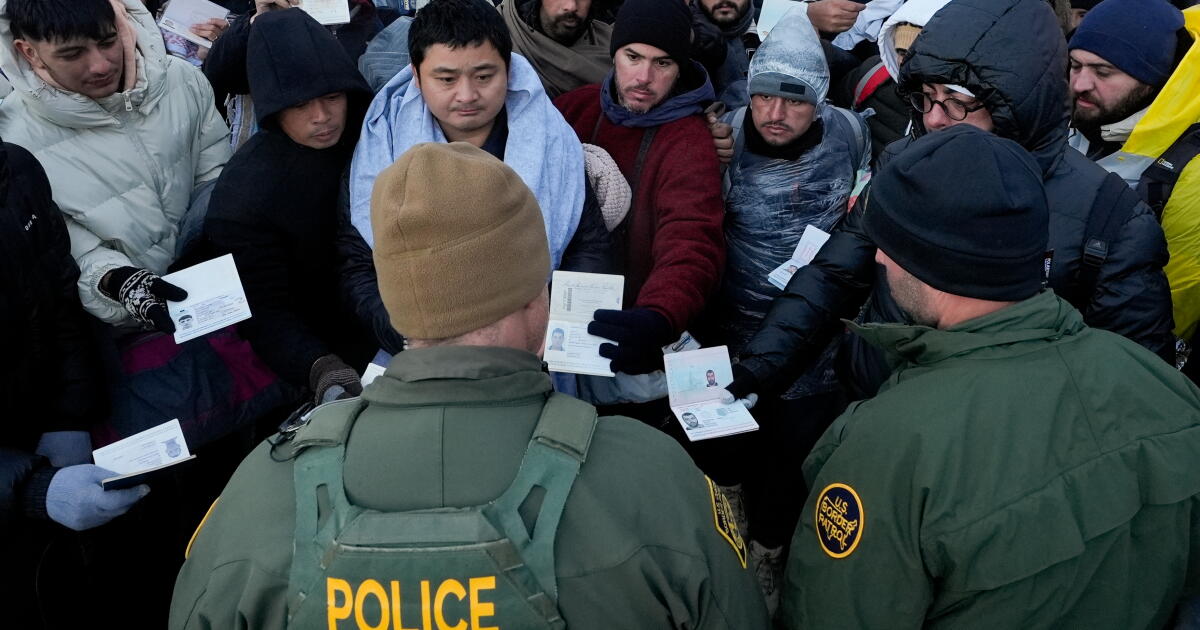
The Supreme Court’s agreement this week to review President Donald Trump’s southern border asylum ban draws a sharp legal spotlight onto one of the most sweeping exercises of executive power in recent U.S. immigration history. Despite being ruled unlawful by lower courts, the restrictions remain in force, presenting immediate consequences for migrants and setting the stage for a high-stakes constitutional test.
Trump’s order, Proclamation 10888, issued on January 20, 2025, invoked language of an “invasion” to suspend asylum access for those crossing the border illegally. Thirteen individuals and three nonprofits promptly challenged the ban, arguing that it illegally sidesteps long-standing protections for those fleeing persecution, a principle deeply embedded in the nation’s asylum laws since 1980.
A federal district judge struck down the executive order in July 2025, with most findings affirmed by the D.C. Circuit Court in April 2026. Yet, as the administration appealed uphill, the Supreme Court’s acceptance of the case on November 13, 2026, triggered a pause on those rulings—the ban is still operative for now, leaving would-be asylum seekers caught at the legal and physical border until at least summer 2027.
The legal questions before the justices are sharply framed: Whether the president’s sweeping exclusion of asylum claims at the border aligns with federal law and whether a court can block the policy nationwide. The administration claims dramatic results—a 93% drop in border encounters since the ban—but immigrant-rights advocates counter that crossings had already fallen before the order and that key humanitarian protections are being unlawfully denied.
This case lands amidst a broader Supreme Court docket addressing presidential discretion in immigration—alongside disputes on deportations to third countries and prolonged detentions. The eventual ruling, due by June 2027, will not only resolve the ban’s legality but could define how far future presidents may go in reshaping asylum and border policy alone.
For now, the high court’s intervention has reassured some officials who back tougher border controls, while fueling renewed alarm among critics who see the ban as a threat to America’s asylum tradition. The precise fate of Proclamation 10888—and the thousands it affects—now awaits the justices’ judgment.