
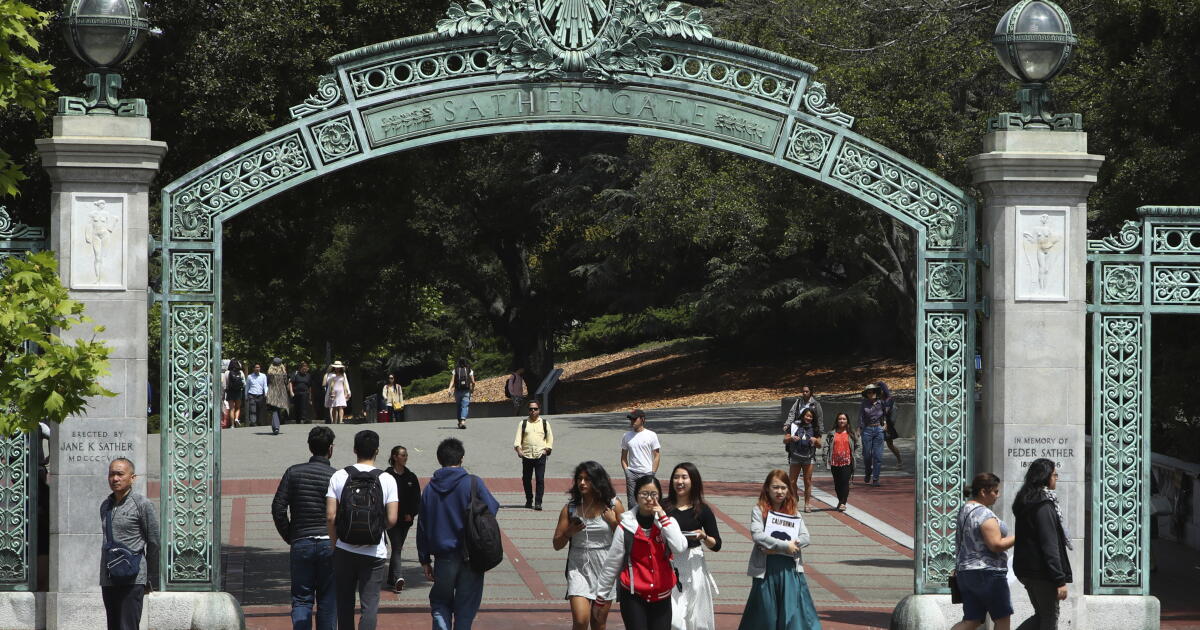
The U.S. Supreme Court on November 16, 2026, declined to hear the Trump administration’s appeal in a high-profile dispute over the federal government’s authority to terminate research grants for diversity, equity, and inclusion (DEI) initiatives at the University of California. This outcome effectively reinstates tens of millions of dollars once at risk and maintains judicial findings that abrupt grant cancellations likely violated the First Amendment rights of academic researchers.
The conflict began in January 2025, when executive orders from President Trump called for a halt to federal funding of programs perceived as promoting DEI principles. The orders led to the termination of research grants—worth between $59 million and $150 million, according to conflicting public reports—targeted at projects including racial equity in science education and expanding opportunities for Indigenous youth. The affected academics responded with a class-action lawsuit, asserting their work had been singled out for its perceived viewpoint, amounting to unconstitutional discrimination by the government.
Federal courts in California sided with the researchers, with a district court issuing a preliminary injunction that stopped the grant terminations from taking effect. The Ninth Circuit Court of Appeals upheld that injunction, reasoning that executive-branch discretion had likely crossed a constitutional line. Lower courts concluded the administration’s action represented a direct threat to academic freedom and to freedom of expression in federally funded research projects.
The Trump administration insisted it was merely exercising its lawful authority over government spending and argued that its moves did not violate constitutional protections. However, after the Supreme Court’s refusal to intervene, those arguments have not prevailed in the courts, at least for now. The Supreme Court’s brief order leaves the nuanced constitutional questions unresolved—declining to rule directly on whether the federal government may end funding based on ideological disagreement, but allowing the lower courts’ findings to control the outcome for these UC projects.
As a result, the terminated grants will be reinstated to the researchers, allowing previously stalled projects to resume. This decision is likely to influence similar battles now surfacing in other regions of the country, as disputes continue over the role—and funding—of DEI-focused programming in American higher education and government grantmaking.
Despite the immediate outcome, major questions remain unsettled, including the precise limits of executive authority in the realm of research funding and how courts will balance anti-discrimination aims with free speech rights. The total scale of funding impacted, too, remains a subject of contest, with some sources citing $59 million and others nearly three times as much. Regardless, the Supreme Court’s decision grants a reprieve—at least temporarily—to the University of California researchers at the heart of this legal standoff.