
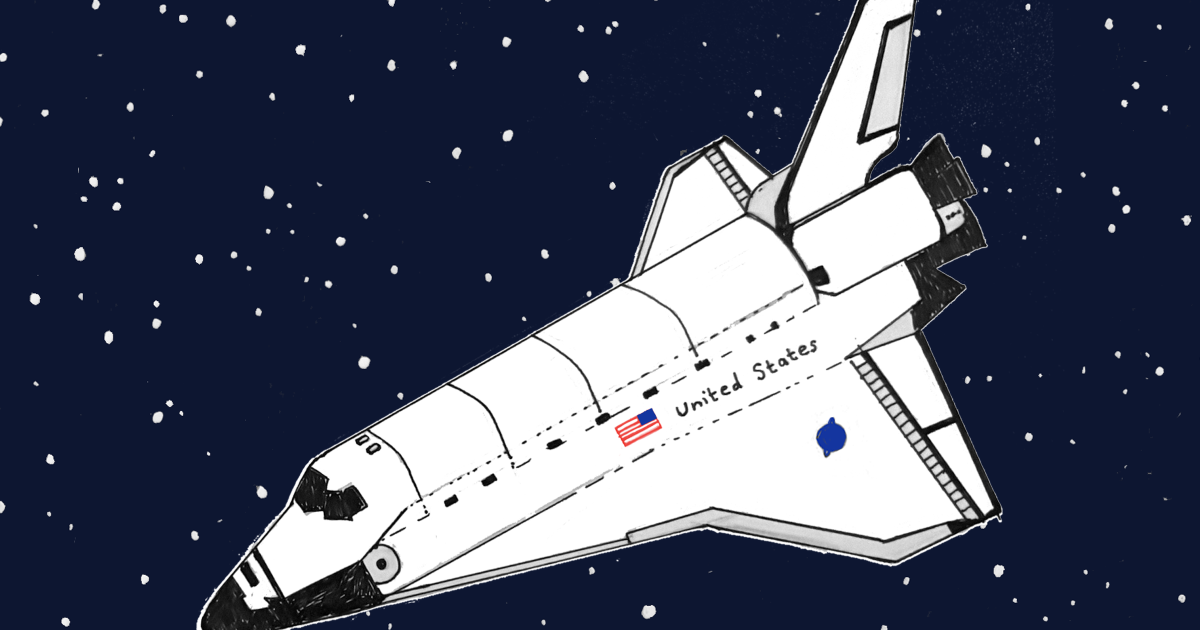
After decades in orbit and years in storage, the space shuttle Endeavour once again commands attention—this time not on a launchpad, but soaring 20 stories above the Samuel Oschin Air and Space Center in Los Angeles. On November 13, 2026, the California Science Center opened its monumental exhibit, unveiling Endeavour in an upright, ready-to-launch configuration that is unique worldwide (space.com).
Endeavour, a veteran of 25 space missions between 1992 and 2011, now stands complete with its iconic orange external tank (ET-94) and solid rocket boosters, offering the public an unprecedented close-up with the full shuttle stack. The transformation from decommissioned orbiter to centerpiece of a new educational era involved four years of construction—beginning in June 2022 and concluding in April 2026—and substantial contributions from donors including the Oschin family, alongside technical support from NASA (LA Times).
A New Chapter of Inspiration
The museum’s curators hope the exhibit will recapture the spirit of the shuttle era, not just through static display but with immersive features. Visitors can operate a shuttle landing simulator, navigate a full-scale replica of the flight deck, and even descend a 45-foot slide mimicking reentry—an invitation to experience a fragment of the tension and thrill astronauts once faced (NBC Los Angeles).
Former astronaut Mark Kelly, who commanded Endeavour’s last mission in 2011, joined opening festivities, hailing the display as a bridge between historic achievement and future ambition for young Californians. “It’s a powerful reminder of what’s possible,” Kelly remarked in statements covered by local outlets. His presence underscored the end of Endeavour’s flying career—and the start of its new role: kindling curiosity and grit in new generations (NBC Los Angeles).
Legacy and Community Impact
Endeavour’s legacy is formidable: over 299 days in orbit, 4,671 laps around the planet, and milestone missions from satellite rescues to deliveries for the International Space Station (NASA). Now Earthbound, the shuttle’s mission has shifted toward public education—an objective embedded in every detail of the new exhibit, from interactive technology to accessibility. General admission is free, with online reservations required to manage crowds, positioning the museum as an inclusive resource (space.com).
For many Los Angeles residents, including school groups and families, Endeavour’s vertical display is a rare chance to see the scale, complexity, and audacity of human spaceflight. Early visitors have praised the exhibit’s immersive approach, which transforms aerospace history into lived experience (NBC Los Angeles).
Looking Ahead
The Science Center intends to deepen public engagement with rotating programs, live events, and evolving exhibits related to space exploration in the months ahead (CBS Los Angeles). Organizers hope Endeavour’s towering presence will continue to serve as a beacon—reminding visitors not just of past triumphs, but of the promise of future discovery.