
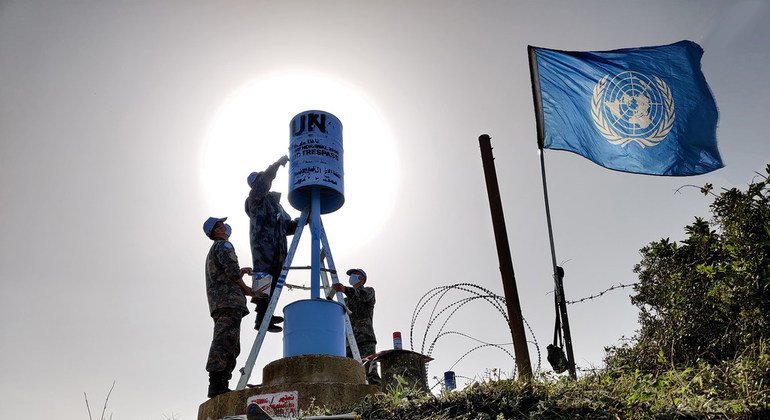
For families edging back into the olive groves of southern Lebanon, the promise of peace feels distant and fragile. Despite a marked decrease in hostilities announced after a June accord between the US, Lebanon, and Israel, the United Nations peacekeeping force observing the south reports persistent daily violations and devastation that challenge any hope of normalcy.
Kandice Ardiel, spokesperson for the UN Interim Force in Lebanon (UNIFIL), described a landscape where life’s essentials—power, water, roads—lie in ruin. In Naqoura, the home of UNIFIL’s headquarters, “almost entirely reduced to rubble,” former villages of bustling shops and homes stand as bleak reminders of recurring conflict. Across the region, airstrikes, demolitions, and artillery fire by Israeli forces are still observed regularly along the Blue Line, a border demarcated under UN auspices since 2000 to confirm an Israeli withdrawal as demanded decades prior by the Security Council.
Recent figures reveal that nearly a million people—an increase of 13 percent since September—have ventured back to their towns, attempting to reclaim livelihoods and reopen schools. Yet 304,500 remain displaced, the landscape around their waiting homes scarred by conflict. Even as some children shuffle into classrooms and farmers tend to battered olive crops, the reality Ms. Ardiel recounts is harsh: many returnees have lost both homes and livelihoods, and the damage to infrastructure means daily life is a struggle for basics.
UNIFIL’s Departure Looms
After 48 years, the Security Council’s decision to end UNIFIL’s mandate by December 2026 has introduced new anxiety for communities and staff. Withdrawal preparations are set for January 2027. As Ms. Ardiel notes, “There’s a lot of talk and speculation about what might come next. We know the Security Council is considering options, but so far nothing has been decided. So that’s led to a lot of uncertainty.” With peacekeepers preparing to exit, fears grow not only about potential security vacuums but also the socioeconomic void left by a mission that has supported local jobs and the wider economy for decades.
For Lebanese national staff, the uncertainty is deeply personal: many have themselves endured loss of homes or family members to the ongoing violence. The future for southern Lebanon—absent the blue helmets—remains clouded by conflict, instability, and unanswered questions about international engagement. The mission’s spokesperson insists that impartial monitoring has been vital and warns that with the loss of this stabilizing presence, southern Lebanon faces an uncertain road ahead. As the rubble of Naqoura and its neighboring villages attests, recovery is far from assured and the true cost of departure remains to be counted.