
In September 2026, Mandi Budd, a Studio City philanthropist known for her work aiding survivors of domestic violence, became a patient herself in an emerging chapter of California’s intensifying battle with West Nile virus (WNV). Budd’s everyday struggle began with what she believed was sciatica, then escalated abruptly: a persistent 103-degree fever, numbness in her feet, and a sudden collapse at home. She was rushed to Providence St. Joseph Medical Center in Burbank, where tests confirmed WNV—a diagnosis that soon gave way to the more alarming development of Guillain-Barré syndrome, an immune condition with lasting neurological effects.
Budd’s dramatic turn illustrates a seldom-seen but gravely serious face of WNV infection. While most infected with the virus never experience symptoms, state health officials say roughly one in 150 cases can result in serious neurologic illness, including encephalitis, meningitis, or, as in Budd’s case, paralysis from Guillain-Barré syndrome. Recovery can be uncertain, often measured in weeks or months instead of days, and in rare cases, permanent disability or death may result. After six weeks in the hospital, Budd achieved what her supporters marked as a milestone: she was finally able to sit up in bed, but her road ahead remains uncertain.
Outbreak Reaches New Highs
Budd’s ordeal comes as public health agencies confront California’s most severe WNV outbreak in five years. According to data from the California Department of Public Health, as of November 6, the state recorded 528 cases and 32 fatalities attributed to WNV in 2026—figures not seen since 2021, and far outpacing recent annual totals. Los Angeles County alone has documented 293 cases, with Orange County following at 59.
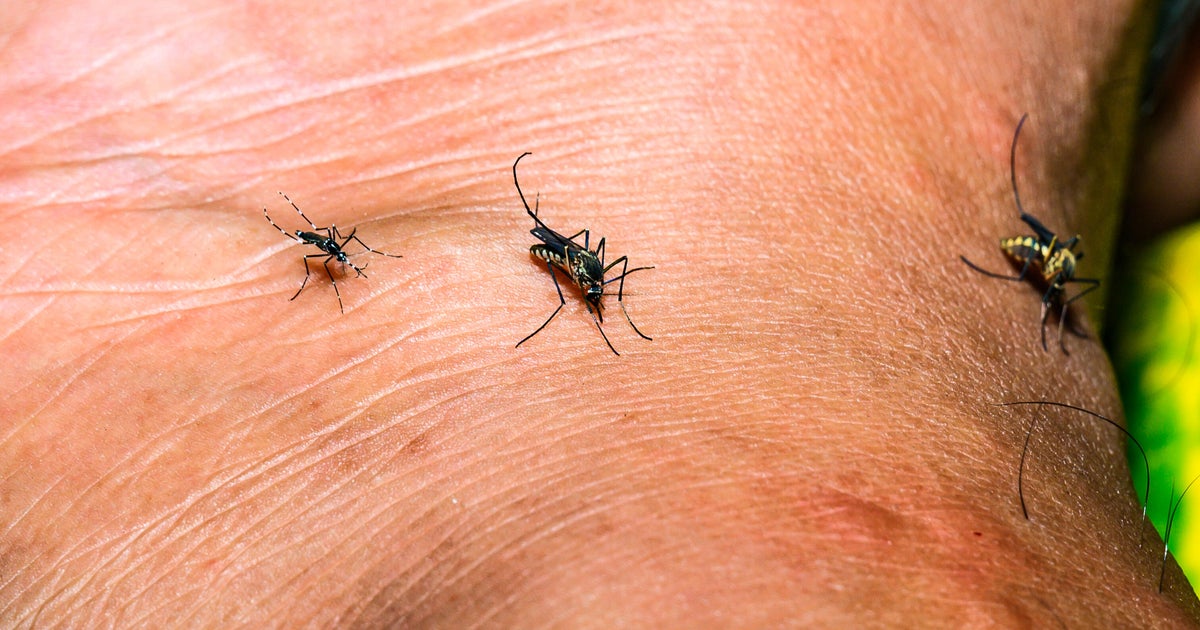
WNV is transmitted primarily through the bites of infected Culex mosquitoes, which acquire the virus from feeding on infected birds. The virus has become established in California since it first appeared in 2003, and human cases are now reported each summer and fall. Most people suffer no symptoms, but state officials warn that people over 60 and those with chronic medical conditions such as diabetes, cancer, or hypertension are at heightened risk of developing severe symptoms. Preventive recommendations focus on avoiding mosquito bites—using insect repellents containing DEET or related compounds—and eliminating standing water where mosquitoes breed.
Community Response and Uncertain Recovery
Budd’s community has rallied to her aid, setting up a GoFundMe campaign to address mounting medical bills. Many supporters are individuals and families Budd assisted through her nonprofit, Face Forward International. While West Nile’s severe neurologic manifestations remain rare, Budd’s story has drawn attention to the unpredictable, sometimes devastating nature of the infection.
The West Nile season is expected to continue until colder temperatures bring relief from high mosquito activity. With climate and urban factors fueling local mosquito populations, health officials urge residents throughout Southern California to sustain vigilance and adhere to public guidance until the risk subsides. The long-term outlook for patients like Budd remains unknown and is a stark reminder that while WNV often passes unnoticed, its rare severe complications can reshape lives and communities.
Primary factual information for this report is drawn from California Department of Public Health advisories, statewide WNV case reports, and reports by AOL News and Medical Daily as of November 2026. No conflicting accounts concerning Mandi Budd’s condition or recent WNV activity in California have been identified.