
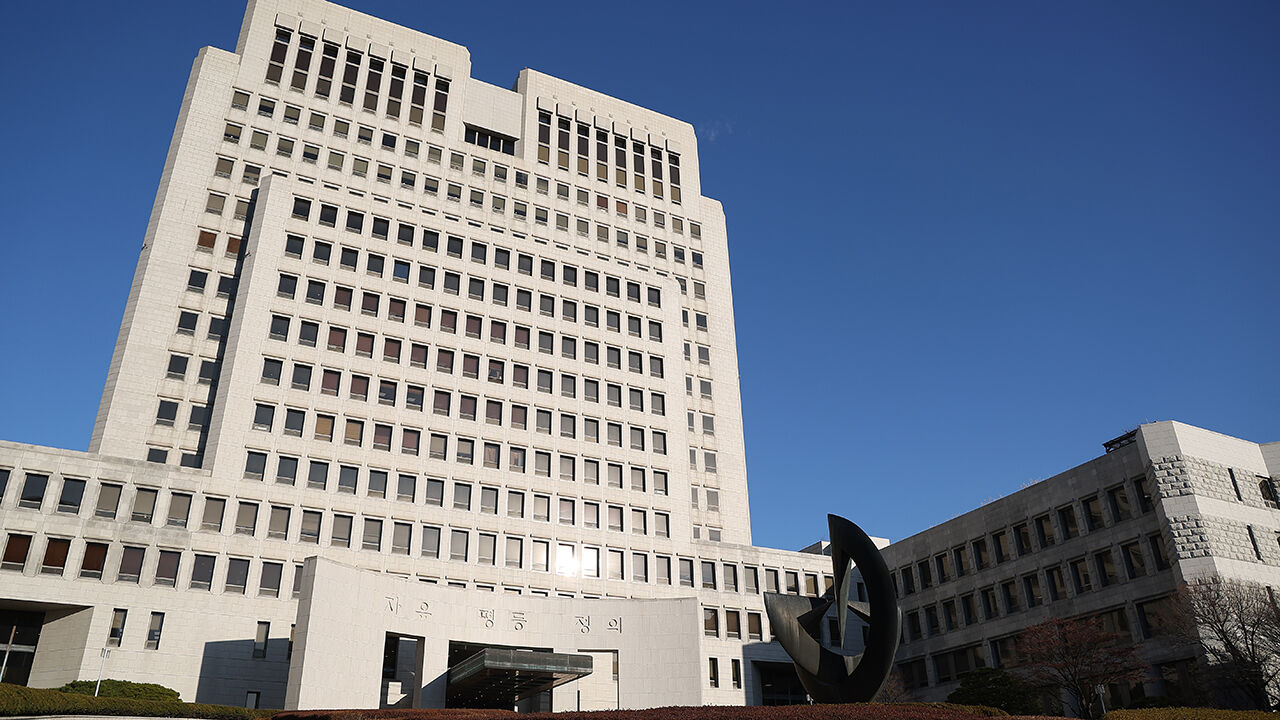
The Supreme Court of Korea has ruled that victims of past state-led atrocities can pursue compensation from the government, even when the statute of limitations for such claims has long since expired. This precedent-setting decision, announced on November 22, 2026, follows a legal battle by the bereaved family of a civilian killed during the Yeosu-Suncheon incident in 1948—one of the most notorious episodes of military violence in South Korean history.
At the center of the case is the family of a man identified as “A,” fatally shot by soldiers during the Yeosu incident. After decades of silence, the Truth and Reconciliation Commission officially recognized “A” as a victim in 2010. However, efforts by his family to seek damages were repeatedly struck down by lower courts, which pointed to the three-year statute of limitations. The most recent attempt was dismissed on this basis as recently as 2024.
This landscape shifted dramatically with an amendment to the Truth and Reconciliation Act, enacted in February 2026. The new legislation stipulates victims who received official victim status before the amendment can file for compensation within three years from its effective date—regardless of whether previous statutory deadlines had passed.
The Supreme Court, in its latest decision, found that the law was designed specifically to redress the lack of remedies for those denied compensation due to now-expired time limits. The justices remanded the “A” family’s case to the Gwangju District Court, instructing it to apply the revised law and reconsider the family’s compensation claim in light of the legislature’s clear intent.
The Yeosu-Suncheon incident itself remains a painful chapter in South Korean history, with widespread loss of life and subsequent decades of legal and moral reckoning. Until now, legal obstacles repeatedly thwarted families seeking formal acknowledgment and reparations for government excesses. The Supreme Court’s move signals a decisive shift away from strict procedural barriers toward a broader reckoning with past abuses.
Legal analysts indicated that the decision may set a new precedent for other unresolved cases connected to state violence, from the mid-twentieth century through later authoritarian periods. As the ruling generates renewed debate on justice and the state’s responsibility for historic wrongs, families of victims—many elderly or deceased—may now find a window for restitution.
Further proceedings are anticipated for the “A” family as the case returns to district court, where the precise terms of state compensation will be determined. Public discourse, meanwhile, is focusing anew on the adequacy of reparations and the broader implications for historical justice in South Korea.