
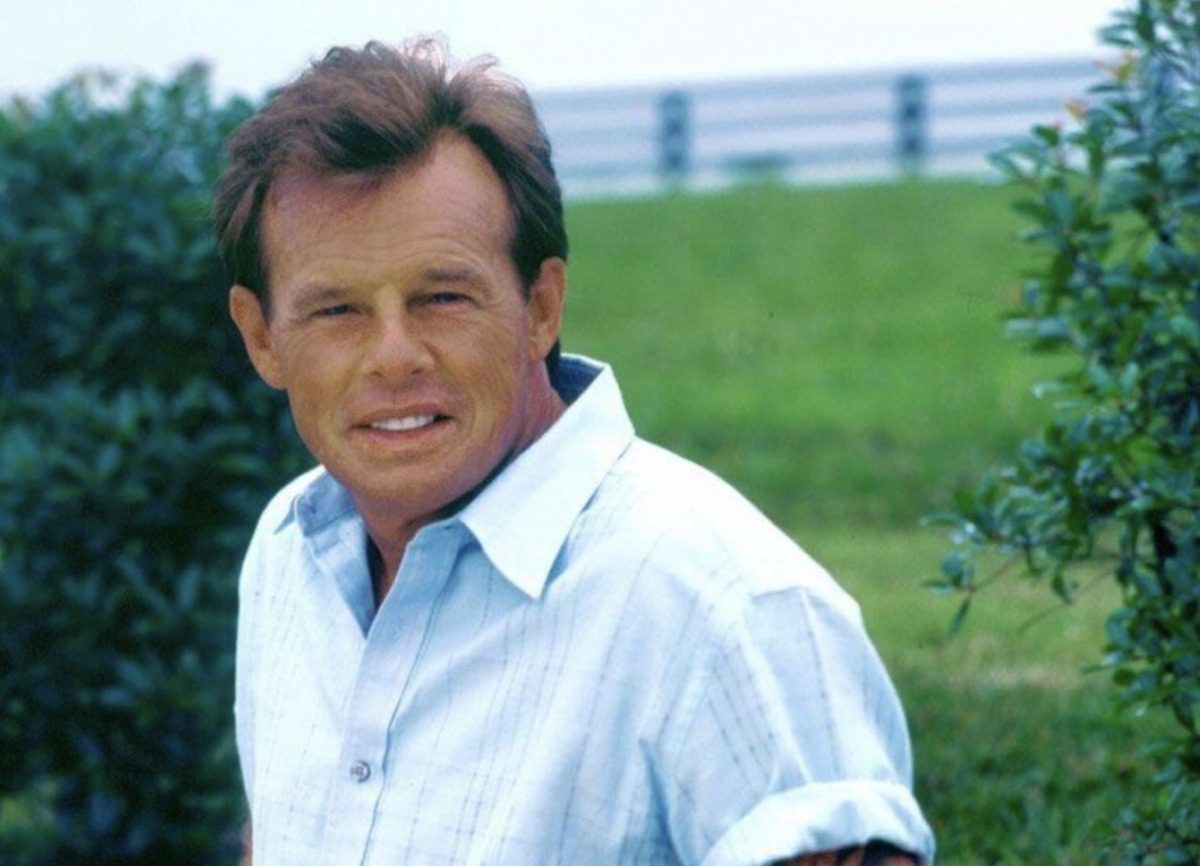
The 60th Country Music Association (CMA) Awards in Nashville saw a notable reconciliation, as veteran country artist Sammy Kershaw and his wife, Mendy, walked the red carpet on November 18, 2026, after a public dispute involving his initial exclusion.
Kershaw’s attendance came on the heels of a social media controversy that began earlier in November, when he publicly criticized the CMA for allegedly stringing him along and then denying him and his wife red carpet access. Kershaw, who has spent decades shaping the country music landscape, said he had rearranged his tour schedule believing he was invited to attend the high-profile event.
The incident sparked significant fan reaction, both in support of Kershaw and in concern over the CMA’s treatment of long-time contributors to the genre. In response to the outcry, the CMA issued a public apology on November 9, acknowledging the validity of the backlash and explaining that red carpet restrictions exist to manage space and security issues. This apology was described by Kershaw as “sincere” and “heartfelt,” leading to his decision, announced November 10, to attend the awards ceremony after all.
Kershaw’s surprised return to the event, however, became a flashpoint on social media. While some supporters welcomed the move as a step toward healing within the country music community, others accused him of “selling out” after his earlier criticisms of the awards body. Kershaw swiftly refuted the sellout allegations, stating publicly that his attendance reflected a willingness to engage in reconciliation and “move things forward for country music.” He maintained that showing up did not negate his earlier concerns, but acknowledged the importance of progress for both artists and the industry.
The CMA Awards this year also marked a significant milestone—the organization’s 60th anniversary—and the incident underscored ongoing tensions between legacy artists and industry institutions as country music continues to evolve. While details of discussions between Kershaw and CMA officials remain private, the renewal of dialogue was seen by some as a sign of institutional flexibility in acknowledging the contributions of artists, past and present.
What lasting changes, if any, will arise from this episode remains unclear. Observers within the industry are watching closely to see whether the apparent thaw in relations will lead to improved recognition or broader inclusion for established artists in future CMA events.