
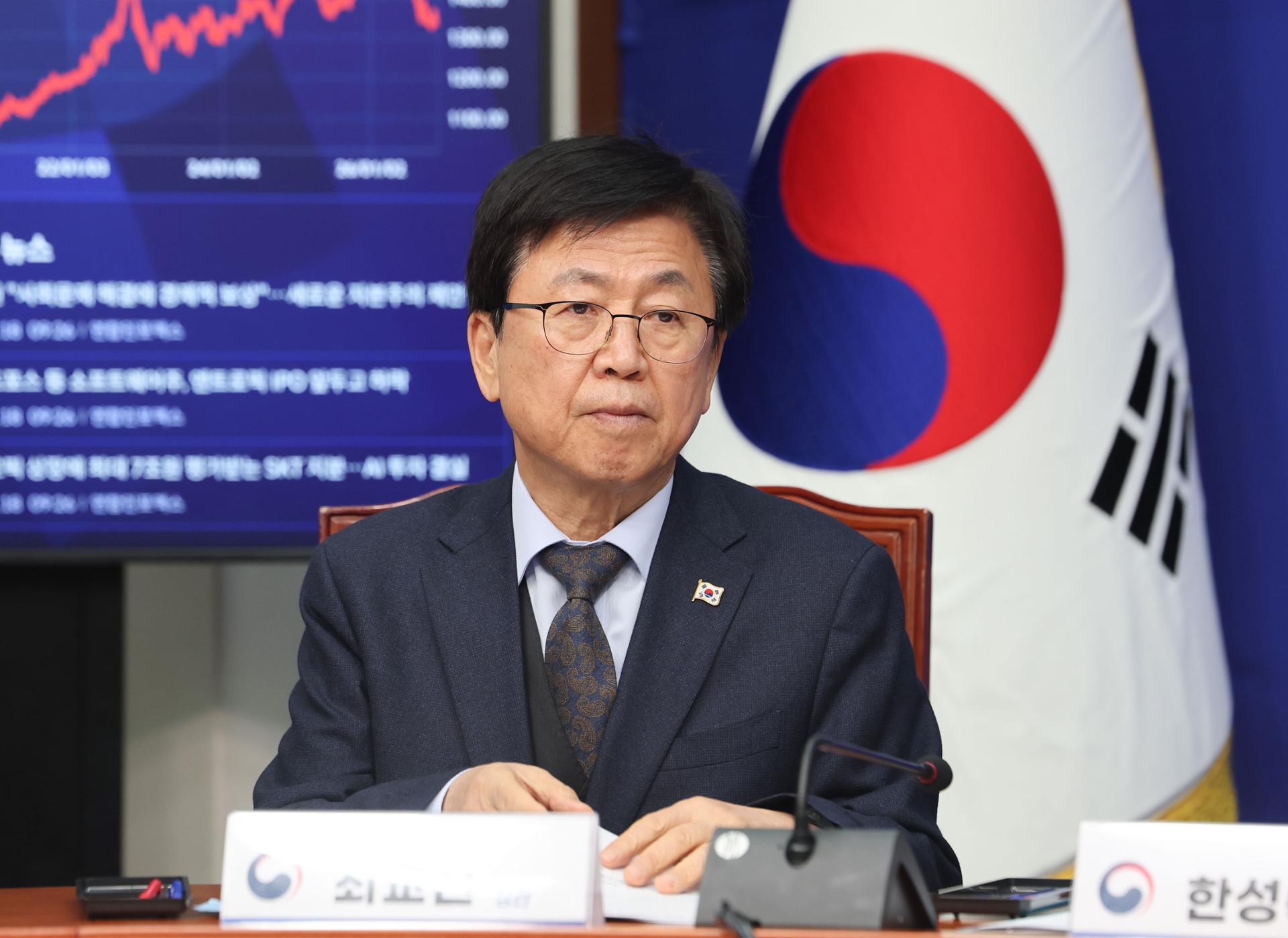
South Korea’s education sector was jolted on November 22 with the resignation of Education Minister Choi Kyo-jin, following a national outcry over the government’s struggle to respond to AI-assisted cheating in the annual College Scholastic Ability Test (CSAT). The move comes just days after authorities implemented unusual anti-cheating measures on test day, and amid persistent fears that state efforts are lagging behind rapidly evolving digital cheating tactics.
Tensions escalated on November 15, when the top scorer of the national tax accountant exam publicly admitted to using a miniature camera and smartphone—a combination that may employ artificial intelligence tools—to cheat on the high-profile professional examination. The revelation raised deep anxieties across the country, given the CSAT’s defining role in university admissions and, for many, lifelong opportunities.
Minister Choi’s handling of the furor came under intense scrutiny after he appeared at a heated National Assembly session on November 16, where lawmakers questioned the education ministry’s preparedness to detect and deter AI-powered cheating schemes. Critics argued that Choi’s responses demonstrated a lack of an effective strategy for new digital threats to test integrity.
The government responded with a visible show of force during the CSAT on November 19. Students nationwide were subject to rigorous inspections, including the examination of eyeglasses and the sealing of shirt buttons with stickers to block hidden cameras, amid mounting suspicion that even the most mundane accessories could conceal AI-enabled cheating devices. Despite these efforts, public confidence in the fairness of the test remained shaken.
On November 22, Choi Kyo-jin tendered his resignation, which President Lee Jae Myung quickly accepted. The government is now seeking a new education chief as it faces renewed calls to overhaul oversight of high-stakes testing and strengthen technological safeguards. Observers note that this episode, following previous controversies over CSAT exam quality, marks a pivotal moment for one of South Korea’s most fiercely debated institutions.
As authorities accelerate their search for a successor and review next steps, questions persist over the effectiveness of recent anti-cheating measures and the preparedness of test administrators to address future AI-driven threats. For millions of students and families, the episode underscores the vulnerability of even the world’s most intricate examination systems to digital innovation—and the imperative for education leaders to keep pace.