
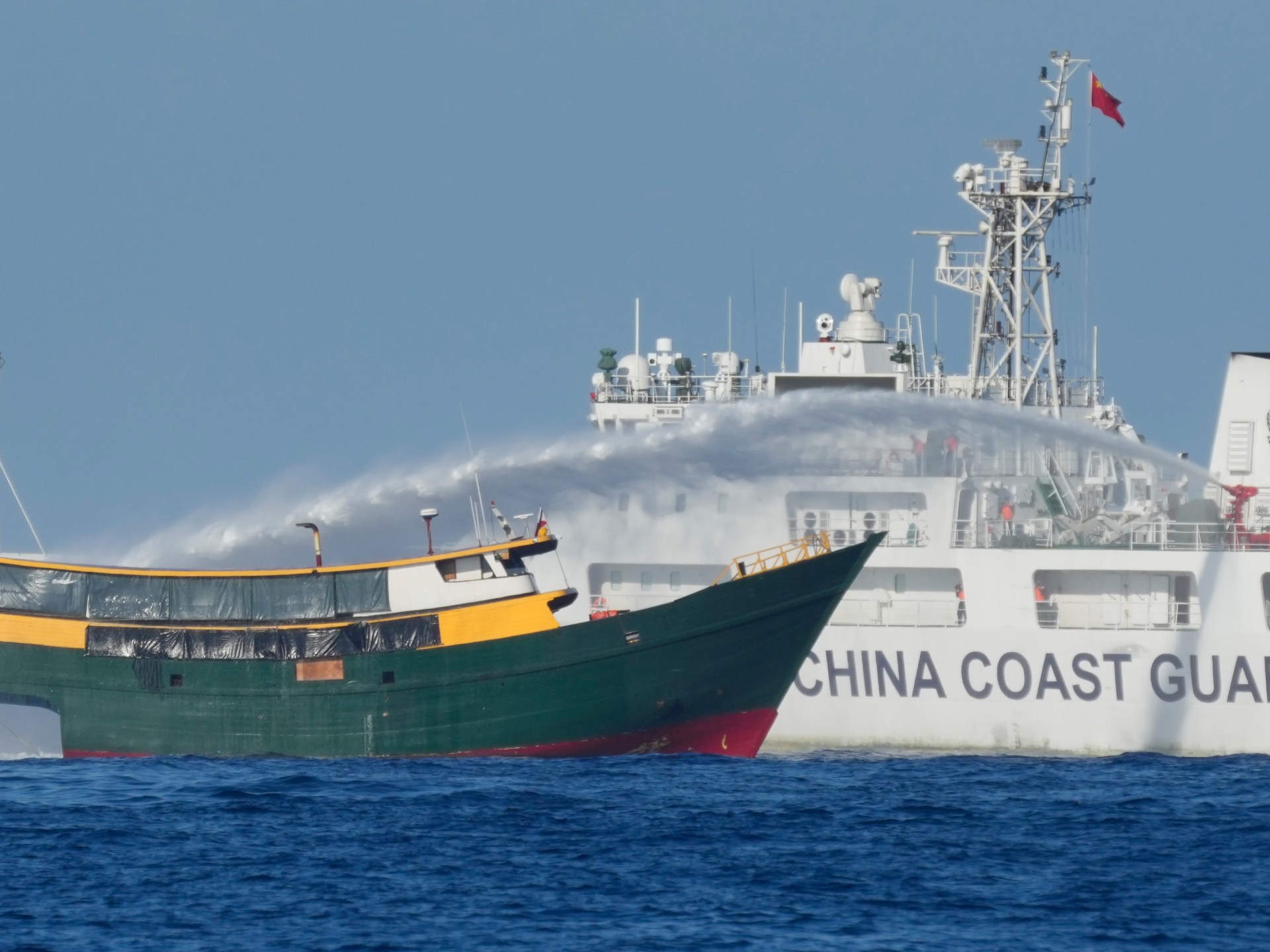
Negotiations between the Association of Southeast Asian Nations (ASEAN) and China for a rules-based Code of Conduct (COC) in the South China Sea again failed to yield a breakthrough at the ASEAN Leaders’ Summit in Manila, deepening uncertainty for a region grappling with overlapping territorial claims and surging maritime tensions.
ASEAN member states and China have been engaged in talks on a COC for nearly two decades, aiming to manage disputes and prevent conflict in the strategically vital and resource-rich waters. The most recent push followed the 57th meeting of the ASEAN-China Joint Working Group in August 2026, where officials tried to break longstanding deadlocks on jurisdiction and participation rights for countries outside the region. However, as regional leaders gathered this week, expectations for a decisive agreement were tempered by history and ongoing divisions.
Unresolved Boundaries and Outside Interests
The core stumbling blocks reflect contrasting national interests and competing visions for the sea’s future. China maintains expansive claims, demarcated by its so-called “nine-dash line,” which overlap with those of several ASEAN countries, including the Philippines, Vietnam, Malaysia, Brunei, and Indonesia. Contentious issues at the negotiating table include not only the precise geographic scope of the COC, but also whether and how outside powers—particularly the United States and other maritime nations—might be included or constrained under its terms.
The Philippines, currently chairing ASEAN, has convened near-monthly working group sessions in an effort to build consensus as diplomatic incidents and enforcement confrontations multiply across these contested waters. Still, according to analysts and reports from the Manila summit, few believe that the existing divisions can be bridged in the short term. Many recall similar deadlocks during previous summits, notably in 2012 when member states failed to issue a joint statement over South China Sea disputes for the first time in ASEAN’s history.
Enduring Disputes Cloud the Region’s Future
The absence of a binding code complicates regional stability and investment and leaves open the risk of further escalation or miscalculation, especially as extra-regional actors step up their involvement. For ASEAN, reconciling the deep differences among its members—and with Beijing—is proving as complicated as ever.
Observers warn that without tangible progress, the South China Sea risks becoming an arena for both strategic competition and legal ambiguity. Still, stakeholders insist that talks remain the best route to an eventual agreement. The process will likely continue as both sides return to the negotiating table in the months ahead, searching for common ground even as major disputes remain unresolved.