
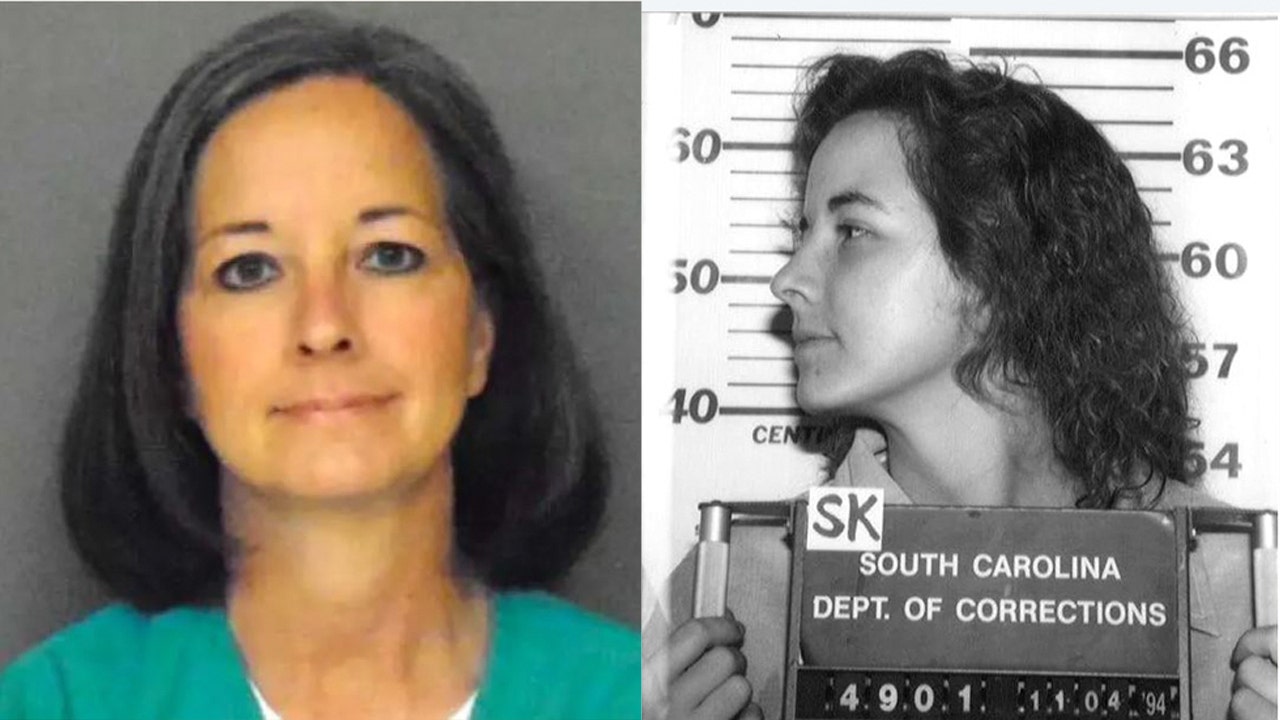
For the first time since her life sentence began in 1995, Susan Smith, one of South Carolina’s most infamous convicts, appeared before the state parole board seeking release. The board’s unanimous decision: Smith will remain behind bars, her request for parole denied on the grounds of the gravity of her crime and her conduct while incarcerated.
Smith, now incarcerated at the Leath Correctional Institution in Greenwood, became eligible for parole this November, marking 30 years since she pleaded guilty to murdering her sons—three-year-old Michael and 14-month-old Alexander—by sending her car into John D. Long Lake with the boys strapped inside. The case, amplified by Smith’s initial false report of a carjacking by a Black man, seized national headlines in 1994 and has remained a chilling touchstone in American true-crime history.
During the parole hearing, David Smith, Susan’s former husband and the father of the victims, delivered a poignant plea against her release. ‘I’m asking that you please deny her parole today,’ he stated, according to published reports. His testimony echoed widely shared community frustration and skepticism about Smith’s capacity for rehabilitation—and brought renewed attention to the unresolved questions surrounding her remorse and candor since the killings.
Authorities confirmed the board’s decision was influenced not only by the seriousness of Smith’s crimes, but also by a long record of prison disciplinary actions, including incidents of drug possession and self-harm. Reports further allege that Smith maintained romantic correspondence with individuals outside the prison, fueling debate about the sincerity of her transformation and intent.
Smith’s unsuccessful bid does not mark the end of her pursuit for freedom. She will be eligible to apply for parole again in November 2026, as allowed by South Carolina law for life-sentenced prisoners after thirty years. Until then, Smith remains at Leath Correctional Institution, her legacy still closely watched both by legal observers and those affected by the original crime.
The board’s decision has reignited debates over the standards for parole eligibility—particularly for those convicted of severe offenses involving victims as young and vulnerable as Smith’s two sons. With the public and legal community still sharply divided, future hearings are likely to draw similar scrutiny and complex questions about justice, rehabilitation, and the enduring pain of one of the state’s most notorious crimes.