
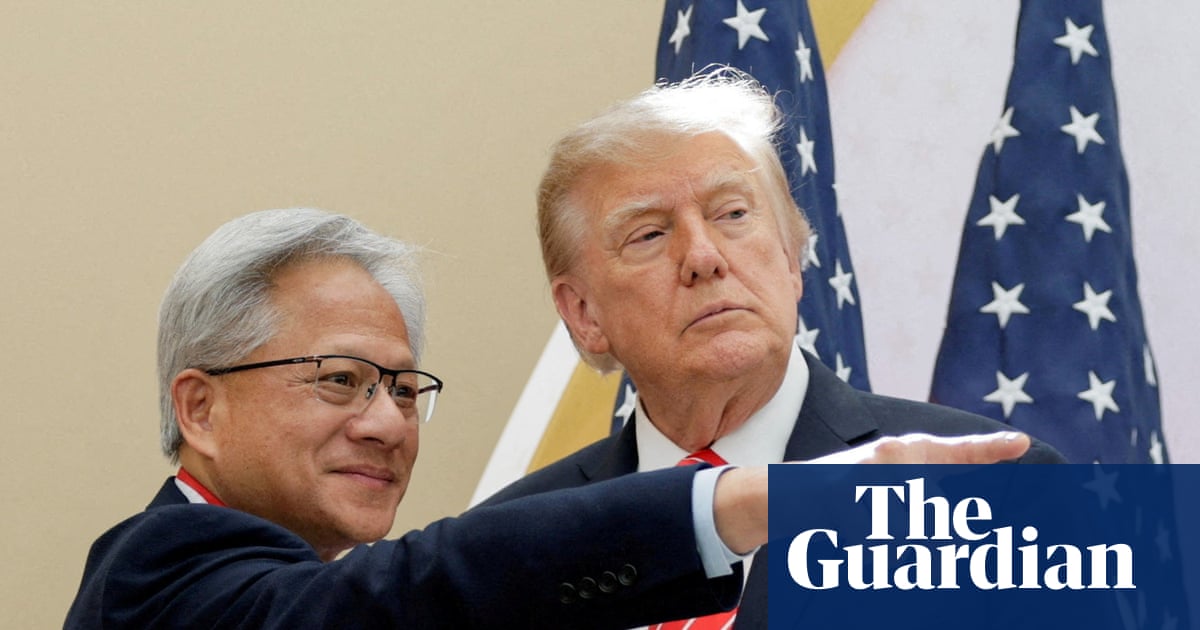
Jensen Huang’s abrupt resignation as CEO of Nvidia has sent shockwaves through the global technology sector, spearheading an extraordinary show of solidarity among Silicon Valley leaders and igniting anxious debate over both national security and Nvidia’s future. Huang, widely regarded as the driving force behind Nvidia’s rise to dominate the AI chip market, stepped down on November 12, 2026, after revelations of extramarital affairs—most notably with Alice Huang, a Singapore-based businesswoman suspected by U.S. intelligence of espionage on behalf of China.
The scandal broke as reports emerged from The Atlantic and The Guardian detailing both personal indiscretions and the gravity of possible security breaches at one of the world’s most strategically significant tech companies. Alice Huang, who led Megaspeed, a cloud computing firm, became the focus of intelligence interest for her alleged ties to Chinese state actors. U.S. officials—without yet releasing conclusive evidence—have described the possibility that conversations or data exchanges between the Huangs may have compromised sensitive technology with implications for national security. Outcomes of current investigations remain pending.
Waves of Support for Huang
In the days following his resignation, prominent tech industry voices—including Elon Musk, Tim Sweeney, and investor Bill Ackman—publicly called Huang “irreplaceable,” arguing that his vision and leadership were instrumental in America’s ascendance in artificial intelligence. Thousands of Nvidia employees posted messages of support to internal company forums, with many urging the board to consider Huang’s reinstatement. The company’s internal morale—and Wall Street confidence—remain in flux as interim CEO and CFO Colette Kress attempts to steady operations and reassure investors.
Political and Market Turbulence
When asked to comment on the unfolding turmoil, President Donald Trump expressed personal belief in Huang’s innocence regarding any espionage plot, adding to the unusual political attention on a corporate scandal. Despite this, Nvidia’s market value suffered an immediate dip after Huang’s departure, reflecting persistent uncertainties over the company’s leadership and the ongoing investigation’s fallout. Analysts warn of further volatility, given Nvidia’s central role in critical U.S. AI infrastructure.
Global Stakes and Continuing Questions
Jensen Huang co-founded Nvidia in 1993, transforming it over three decades into the undisputed leader in advanced AI hardware, now said to control roughly 90% of the market for chips powering everything from scientific research to cloud-based consumer applications. The allegations swirling around Alice Huang and national intelligence concerns have intensified scrutiny not only of Nvidia’s internal protocols but of broader tech sector vulnerabilities to foreign influence and personal misconduct.
The company’s board has launched an internal inquiry, but details of what, if anything, may have been compromised have not been publicized. Calls for increased oversight and stricter governance practices now contend with factions—both inside Nvidia and across Silicon Valley—clamoring for Huang’s return. For now, the outcome remains undetermined, with the industry’s eyes fixed on both Nvidia’s next move and investigators’ forthcoming reports.