
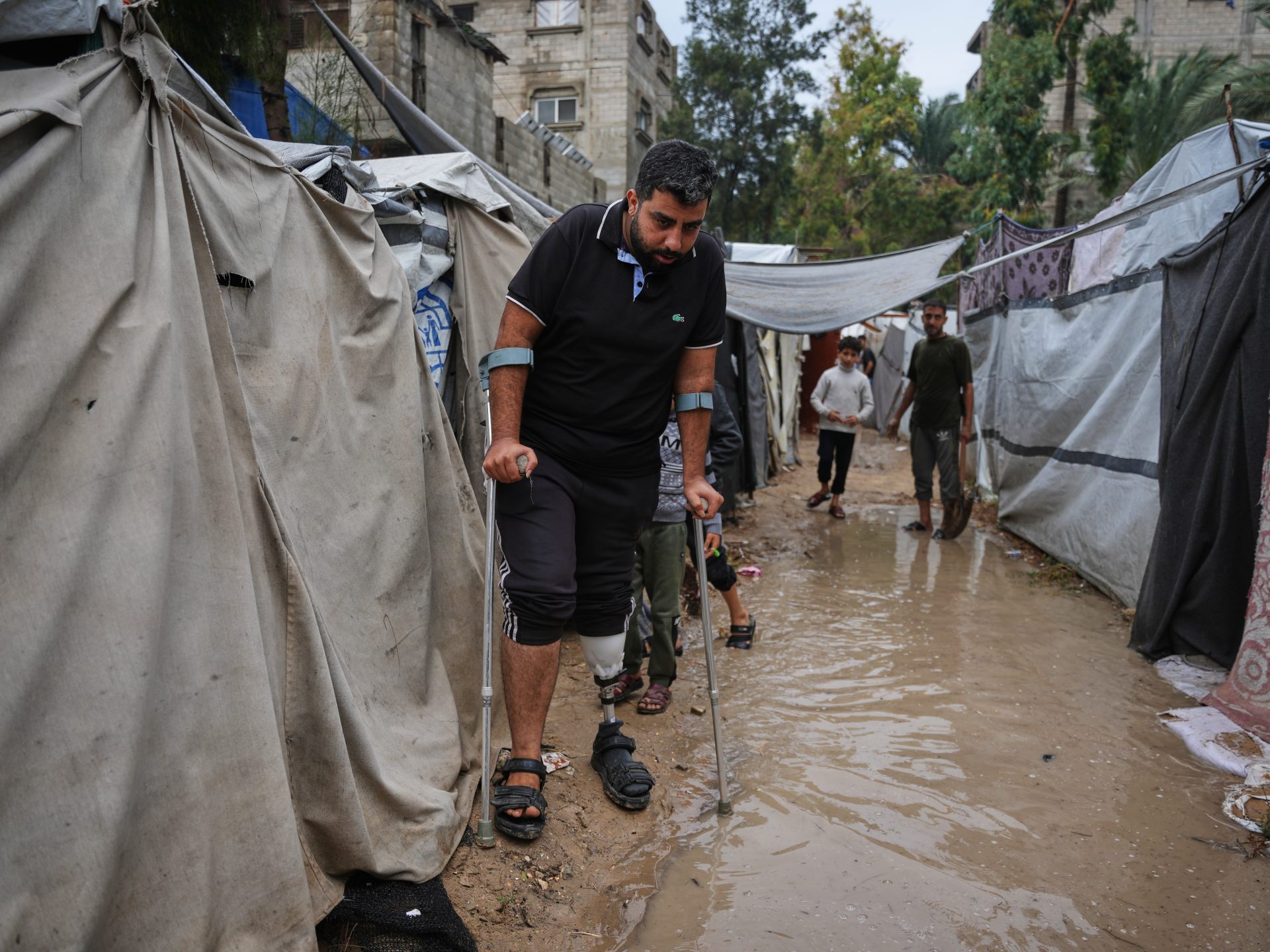
Tens of thousands of displaced Palestinians in Gaza have lost their shelters after heavy winter rains starting November 7, 2026, triggered widespread flooding, overwhelming tent encampments and raising the specter of catastrophic health risks. The latest storm inundated approximately 70,000 tents within 12 hours, leaving families exposed to cold and unsanitary conditions while further complicating the delivery of humanitarian aid amid a persistent blockade and ongoing conflict.
Floodwaters tore through areas where makeshift camps have stood since recent escalations displaced hundreds of thousands. According to Al Jazeera and independent humanitarian monitors, personal belongings have been ruined and stagnant pools of contaminated water now threaten to spark outbreaks of waterborne diseases. Infrastructure damage to sewage and drainage systems, stemming from repeated cycles of violence, has exacerbated the crisis by causing raw sewage to mix with floodwaters. The estimated cost of initial losses stands near $3 million.
The World Health Organization reports a steep rise in acute respiratory infections—an increase of 33,000 cases compared to the same period last year—raising alarm as colder months approach and health services remain under strain. Should conditions persist, international agencies warn of rapid spreads of disease and intensifying suffering among Gaza’s most vulnerable, including children and the elderly.
International response has accelerated, with more than 50 countries and relief organizations calling on Israel to allow greater entry of critical humanitarian supplies, including temporary shelters and supplies for water, sanitation, and sewage removal. The UK, Qatar, Jordan, and others cite urgent need for expanded access and removal of delays that have hindered aid shipments into Gaza.
Israel’s Coordinator of Government Activities in the Territories (COGAT) contends that over 93,000 tents and 8,600 trucks laden with winter gear and relief items have been permitted entry. However, restrictions remain on certain materials Israel deems as dual-use with potential military applications by Hamas. While COGAT maintains that it is facilitating aid, relief organizations and local authorities assert the flow remains insufficient compared to the growing scale of need.
The Board of Peace, an international body focused on Gaza’s reconstruction, has joined in urging the rapid facilitation of essential reconstruction materials and infrastructure repairs, cautioning that needs could intensify as the season progresses.
All of this unfolds against a backdrop of intermittent Israeli military operations, including airstrikes that recently targeted the Nasser Medical Complex in Khan Younis on November 12, resulting in further casualties and disruption of already fragile health services. Regional observers note that Gaza’s current plight is the culmination of years of conflict, entrenched blockades, and battered infrastructure, all now compounded by brutal winter conditions.
With more rain forecast and international relief still hampered by logistical, political, and security obstacles, the life-threatening crisis shows no clear resolution. The coming weeks will test the capacity of local and international systems to prevent further disaster in the Gaza Strip.