
In a striking display of bipartisan collaboration, the U.S. Senate voted 73 to 25 on November 9, 2026, to advance the Bipartisan American Affordability and Jobs Act (BAAJA), setting the stage for a dramatic overhaul of federal energy permitting rules that could reshape the landscape for data centers, energy infrastructure, and environmental protections nationwide.
The robust vote included support from 51 Republicans, 21 Democrats, and Independent Angus King of Maine, a realignment that underscores shifting political priorities around the nation’s hunger for new energy infrastructure. Only 25 senators—23 Democrats, one Republican, and Independent Bernie Sanders—opposed the bill in a sign of fierce debate over the proper balance between growth and environmental stewardship.
Key Provisions and Shifting Alliances
The bill aims to sharply cut the time required for federal environmental assessments under the National Environmental Policy Act (NEPA), which has often stretched for years and slowed construction of large-scale projects. It would also impose tighter deadlines for lawsuits that challenge such approvals, a feature hailed by developers in both clean energy and oil and gas sectors for its promise of greater certainty.
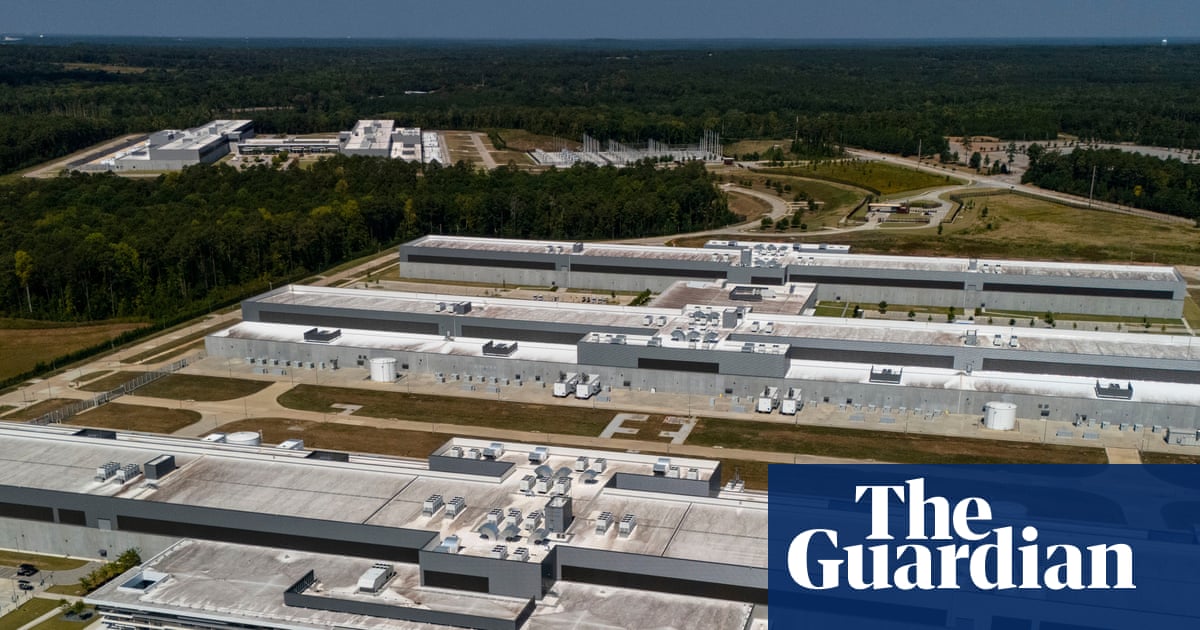
One headline provision responds to the rapid expansion of data centers—a driving force behind ballooning U.S. electricity demand. Under BAAJA, developers of these facilities would be obligated to absorb the full cost of their power usage, a measure designed to shield ordinary consumers from passing energy price hikes linked to data center expansion.
Support and Opposition
President Donald Trump, together with major industry associations and labor unions, has thrown support behind the legislation, describing it as a jobs engine and a way to strengthen national competitiveness. In contrast, environmental groups including the Sierra Club and National Wildlife Federation contend the new rules would weaken environmental protections and make it harder for local communities to challenge projects that could threaten their landscapes or health.
The bill’s resurgence marks a turnabout from September, when Senate Democrats blocked a Republican effort to advance a related proposal targeting data center costs. By early November, however, 21 Democrats joined Republicans to move the latest version forward, reflecting both electoral calculations and concern over national energy reliability.
Process and Next Steps
With the Senate hurdle cleared, the BAAJA now proceeds to a final upper chamber vote expected later in November. Should it pass, the measure will then head to the Republican-controlled House of Representatives, where internal party divisions and entrenched environmental opposition could shape its fate and any further amendments.
Amid the legislative momentum, concerns remain unresolved, including the bill’s possible impact on tribal sovereignty and potential risks to sacred sites, issues which have not been fully reconciled in current drafts. The final outcome promises to resonate far beyond Capitol Hill, as lawmakers, industry groups, environmentalists, and consumers all stake competing claims on the next chapter of American energy policy.