
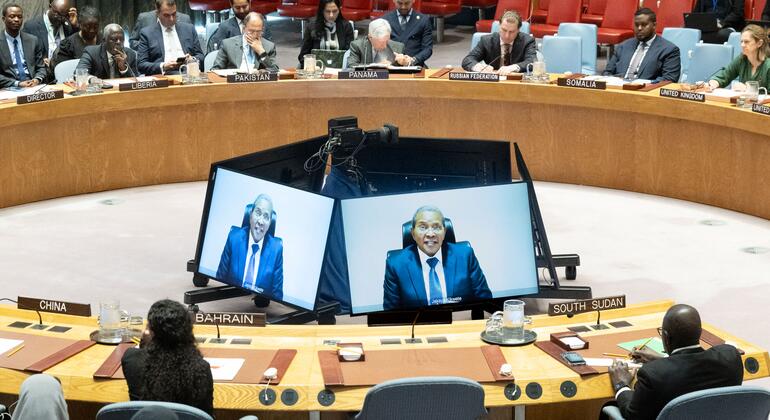
With the promise of South Sudan’s inaugural national elections barely six weeks away, United Nations ambassadors gathered in New York on Tuesday to confront a deteriorating crisis that threatens both the vote’s integrity and civilian lives. The landmark election, scheduled for December 22—the country’s first since its independence in 2011—has been overshadowed by intensifying violence and critical political maneuvers by President Salva Kiir, who in September dissolved the transitional government and ousted all vice-presidents, including the detained Riek Machar.
As Security Council members debated how to ensure an inclusive and credible election process, ground realities in South Sudan painted a stark picture. Recent clashes in Upper Nile state have already forced more than 35,000 people from their homes, part of a broader pattern of instability that has left communities at heightened risk. The humanitarian stakes are severe: 2.5 million people face emergency levels of hunger, with 73,300 assessed to be on the brink of famine.
The violence has extended to peacekeepers as well. In August, three United Nations peacekeepers lost their lives in an ambush in Jonglei, underscoring the precarious conditions for both international and local actors navigating South Sudan’s ongoing conflict. As diplomats pressed in the Security Council for meaningful political participation and safety guarantees, the reality for many South Sudanese remains a daily struggle for basic needs and security—raising urgent questions about the prospects for credible polls amid such peril.