
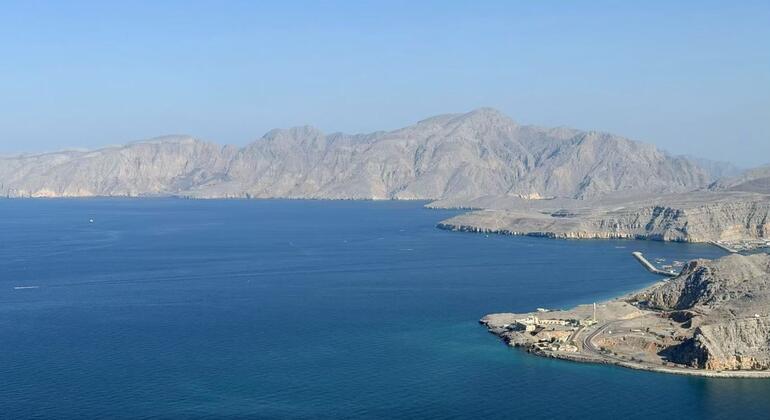
The precarious calm of the Gulf has given way to mounting threats, as the United Nations Security Council gathered at Bahrain’s request on November 13 to confront the rising dangers to maritime security. Nearly nine months after Israeli and US strikes on Iran unleashed a regional war, the key Strait of Hormuz—an essential passage for a fifth of the world’s oil before the conflict—remains functionally strangled by Iranian actions.
Since the outbreak of hostilities on February 28, Iran has retaliated with strikes on US military positions and targets in six Gulf States as well as Jordan. The Security Council responded in March with Resolution 2817, condemning Iran’s attacks and navigational threats, though unity faltered as China and Russia withheld their support by abstaining.
The Gulf crisis deepened when a US–Iran ceasefire, brokered by Pakistan and in place for two months from June, expired in August without forging any peace agreement. With diplomatic efforts still stalled, the toll on maritime activity has become acute. According to UK Maritime Trade Operations, shipping transits through the Hormuz Strait are down by about 65 percent from pre-war levels, and last month saw the highest number of maritime incidents since violence began.
Trouble has also spread to other vital shipping lanes: since July, Houthi forces have declared a blockade on Saudi-linked vessels, shrinking Bab al-Mandab Strait passage by roughly a quarter. As the Security Council debates in New York, the core question remains unresolved: how to break deadlock and avert an even wider escalation as regional trade—and global energy supply—face profound risk.