
A major effort to reshape the street environment around San Francisco’s Mission District BART plazas is taking shape, after Mayor Daniel Lurie and Supervisor Jackie Fielder announced a $12 million funding boost on November 6, 2026, aimed at tackling persistent safety and quality-of-life concerns. The funds—$9 million from the philanthropic Crankstart Foundation and $3 million from the state budget—are set to propel a new wave of enhancements, including improved street lighting, updated public safety technology, and continued deployment of street ambassadors in the area.
The improvements target high-traffic zones near the 16th and 24th Street BART stations, where for years residents have voiced mounting frustration over homelessness, public drug use, and illegal vending. While details about specific project timelines remain unannounced, officials framed the move as a necessary next step in a string of interventions that have produced mixed results. The new allocations respond to both longstanding grievances and increased public activism following earlier city efforts, such as a widely publicized “90-day strategy”—initiated in March 2025 and extended indefinitely as of September 2026—that ramped up police presence and maintenance around the plazas. Despite these measures, many locals say the core challenges remain unresolved.
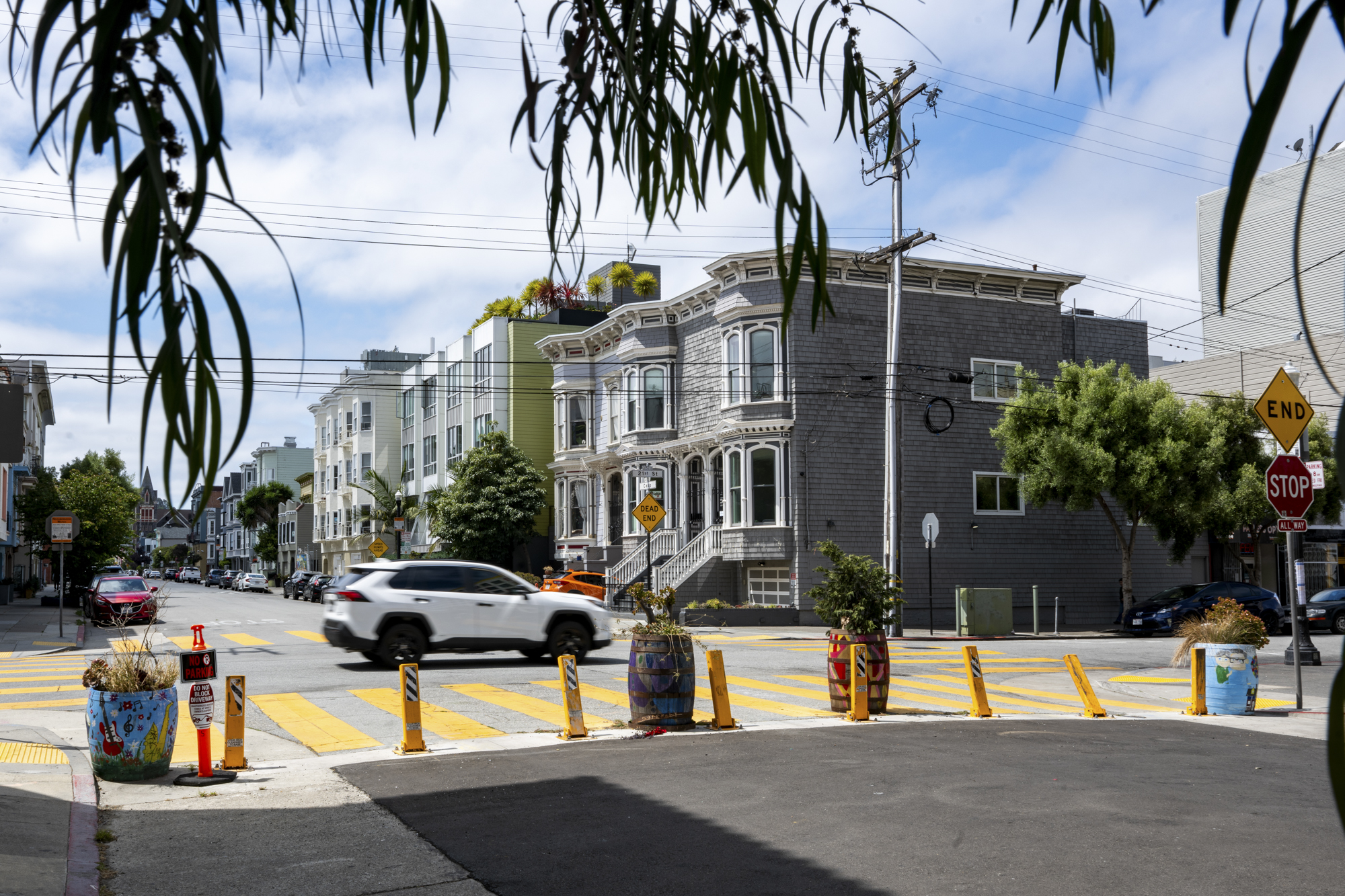
Recent initiatives have included controversial street closures on Capp and Shotwell streets, extended this June for 18 months in a bid to curb sex work. According to city officials and community groups, such measures stem from ongoing listening sessions and feedback loops, which have shaped much of the city’s evolving response. Yet, despite active engagement, debates persist about the effectiveness, unintended consequences, and inclusiveness of the strategies chosen.
San Francisco’s broader push for safer streets and public spaces isn’t new: since adopting the Mission District Streetscape Plan in 2008 and rolling out citywide “Vision Zero” goals in 2014, officials have steadily added new transportation safety and urban design policies. Recent projects, like the Guerrero Street Quick-Build enhancements completed in 2024, offer a glimpse of the possibilities. Still, the Mission District’s complex landscape—compounded by economic shifts, dense foot traffic, and acute social challenges—means no single remedy has fully addressed resident concerns.
With the Mission Area Plan guiding future growth and development, city agencies—including SFMTA and SFPD—are coordinating ongoing improvements. Community stakeholders continue to demand accountability and holistic support, underscoring the need for both immediate steps and sustained investment. While the latest $12 million commitment marks a significant escalation of resources, its ultimate impact will depend on transparent planning and responsiveness to those who call the Mission home.