
California’s commitment to honoring Native American history and culture has taken tangible shape this November, as hundreds gathered in Sacramento for landmark celebrations and the public opening of the California Indian Heritage Center—an ambitious project decades in the making.
Heritage Center Opens Its Doors
On November 6, the first phase of the California Indian Heritage Center (CIHC) officially opened in West Sacramento, occupying a 51-acre property where the American and Sacramento Rivers meet. This outdoor Welcome Center, as confirmed by official state releases, offers interpretive exhibits, walking paths, and gathering spaces designed to engage visitors with the living cultures and ongoing histories of California’s Native peoples. State and tribal leaders joined the public for the inaugural celebration, which symbolically advanced the Center’s vision of becoming a statewide hub for cultural preservation and education. The project, rooted in years of public planning and tribal consultation, will eventually expand beyond its current welcome area.
Statewide Recognition and Proclamation
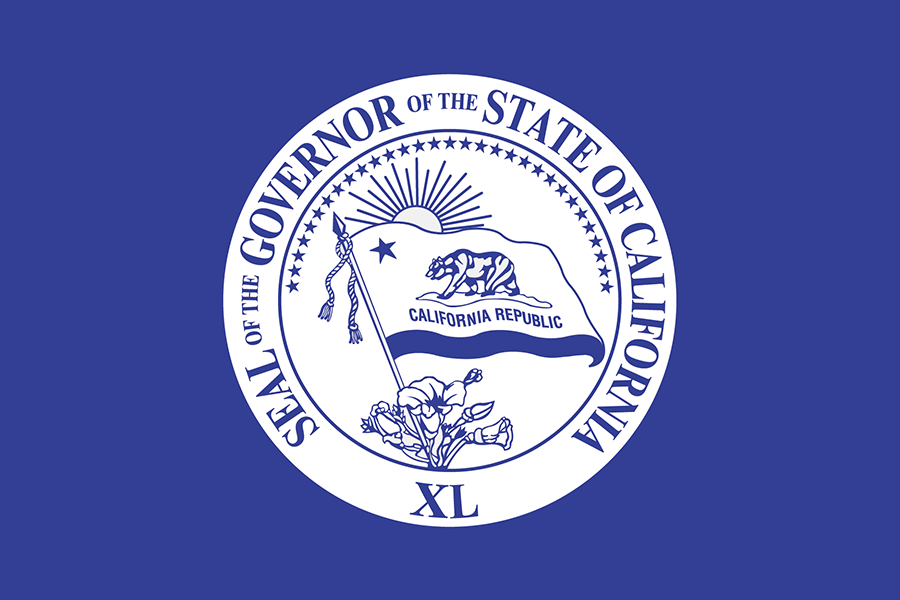
The opening of the CIHC coincided with Governor Gavin Newsom’s proclamation of November as Native American Heritage Month across California. The proclamation, issued November 6, underscores the state’s recognition of Native American leadership and resilience, mentioning significant advances such as large-scale land restorations, increased tribal partnerships, and investments in clean energy and housing for tribal communities. According to the proclamation’s text, the month also marks a final reflection at the end of Newsom’s term on progress made in collaboration with tribal leaders. (Source: gov.ca.gov)
Public Celebrations and Artistry
Central and visible events highlighted Sacramento’s central role in this statewide commemoration. The Third Annual Native American Heritage Month Parade drew diverse communities to Capitol Mall on November 7, featuring decorated floats, music, and vivid cultural presentations. Hosted by local organizations, the parade embodies the spirit of living Native heritage.
The California State Indian Museum has played a prominent part, most recently hosting California Basket Weavers’ Day on November 14, which emphasized traditional basket weaving’s rich artistic and cultural role. Later in November, the museum will host the Native Arts and Crafts Market (November 28–29), providing a community platform for Native artists to present and sell their works. These events, held as scheduled, spotlight the endurance and creativity of California’s tribal artisans. (Source: resources.ca.gov)
Looking Forward
The CIHC’s initial phase—emerging at a time when California is reaffirming tribal partnerships—signifies more than a collection of exhibits. It is part of a state and local movement to ensure that Native voices are recognized not just historically, but as guides in the state’s present and future. With gathering spaces open, public celebrations ongoing, and the November art market set to continue these festivities, Sacramento stands at the forefront of honoring California’s Native communities through lasting cultural infrastructure and public recognition.