
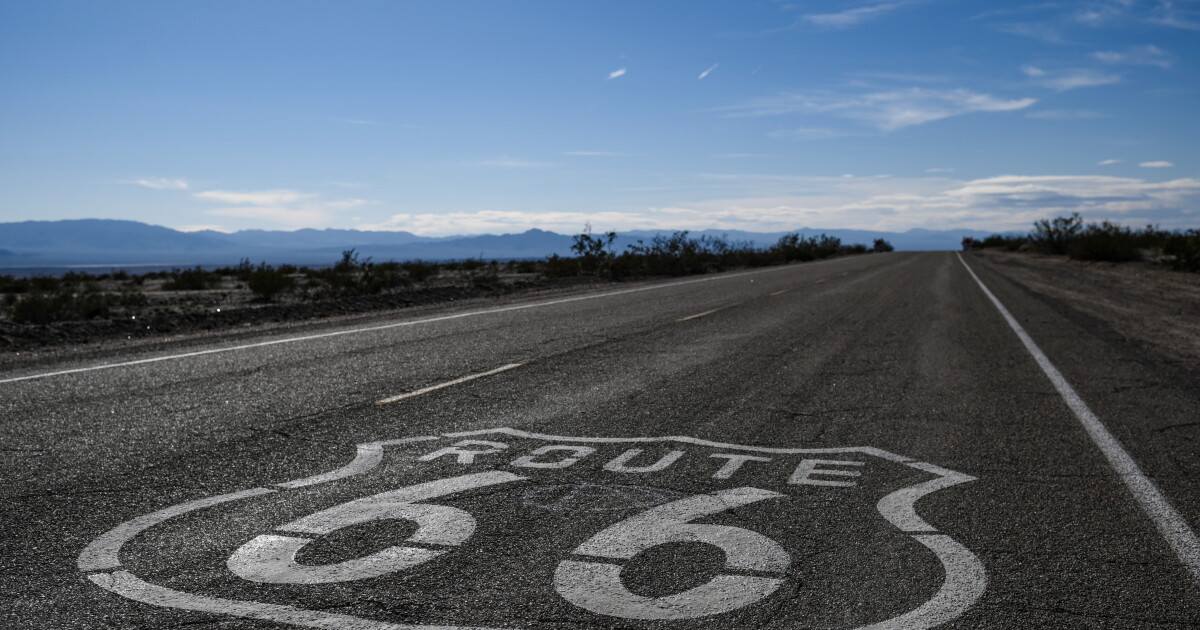
On November 11, 2026, Route 66—long revered as America’s “Mother Road”—marked its 100th anniversary, making this storied stretch of highway not just a piece of infrastructure but a living testament to American ambition, struggle, and creativity. From Chicago to Santa Monica, towns and cities along its 2,448-mile spine commemorated the occasion with parades, historic reenactments, and cultural festivals, drawing both nostalgia-seekers and new generations eager to understand its legacy.
Launched in 1926, the route originally connected the Midwest with the promise-laden West, becoming a primary channel for Dust Bowl migrants in the 1930s and an enduring symbol of escape and reinvention. As waves of families and dreamers took to the road, Route 66 became etched in American folklore, immortalized in novels like John Steinbeck’s The Grapes of Wrath and songs such as Nat King Cole’s “(Get Your Kicks on) Route 66.” Its influence extended into cinema, most notably in the films “Easy Rider” and the animated adventure “Cars,” underlining its central place in the American imagination (laist.com).
Beneath these iconic images runs a complex history. During the era of segregation, African American migrants used Route 66 as a conduit toward new opportunities in the West, forging their own stories of resilience in the face of exclusion and discrimination. In recent years, these narratives are finally being recognized and integrated into centennial commemorations, expanding the road’s story beyond the archetypal tale of white, westward migration (laist.com).
Route 66’s economic impact has been a constant theme, particularly for the hundreds of communities that blossomed along its alignment. Even after its official decommissioning in 1985, preservation efforts—especially as the centennial approached—have helped revive historic motels, neon-sign diners, and vintage gas stations, now magnets for domestic and international tourists alike. These initiatives are credited with keeping small-town economies afloat and fostering a renewed sense of local pride (laist.com).
Yet this 100-year journey is not without bumps. Many stretches of Route 66, particularly in rural areas, have suffered neglect or face threats from urban sprawl and changing travel patterns. Preservationists and local organizations mark the centennial as both a celebration and a call to action, urging fresh investment and creative stewardship to ensure the highway’s surviving landmarks are not lost to time.
As anniversary celebrations roll out, Route 66’s symbolic power remains undimmed—echoing a uniquely American longing for freedom, adventure, and reinvention. Its centennial not only honors the past, but also challenges the nation to preserve the road’s history and spirit for another hundred years.