
Unseasonably early flu activity and a rise in several respiratory illnesses are straining healthcare systems across the United States, new data from the Centers for Disease Control and Prevention (CDC) show. For the week ending November 7, the national percentage of positive flu tests shot up to 11.3%, compared to 1.9% during the same period last year, signaling an earlier and more severe start to the 2026-27 flu season.
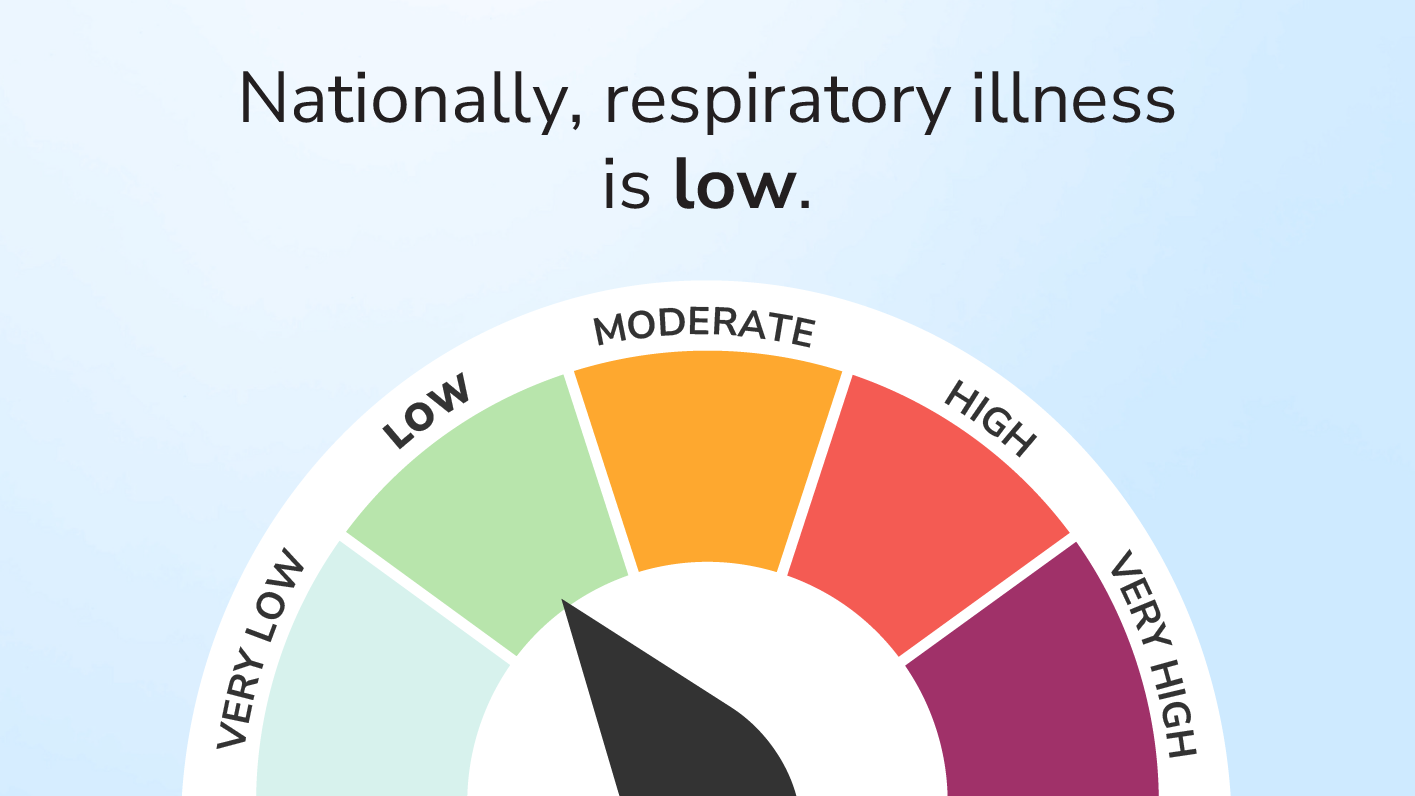
CDC reports updated on November 13 underscore that, while the overall level of acute respiratory illnesses remains comparatively low, the rate of increase is significant. Six states are now reporting high flu activity, and one state has entered the ‘very high’ category, outpacing typical patterns observed in recent years. COVID-19 activity is classified as moderate nationally, but some states are seeing high levels, and respiratory syncytial virus (RSV) activity is also rising, especially among younger children and older adults.
Healthcare visits tied to acute respiratory illnesses—including flu, COVID-19, and RSV—are on the rise, contributing to larger patient volumes in emergency and urgent care departments. The data indicate that children under five years old account for the highest rates of COVID-19-related emergency visits. For influenza, the sharpest increases in emergency room visits are seen among those 17 years and younger, while flu-related hospitalizations disproportionately affect adults 65 and older.
Experts attribute the uptick in respiratory illnesses at this time of year to typical seasonal trends, although the early upswing has prompted public health authorities to heighten prevention messaging. The CDC is advising all Americans to stay current with immunizations and practice good hygiene, such as frequent handwashing, respiratory etiquette, and improving ventilation in shared indoor spaces. These steps, officials emphasize, are essential not only for individual protection but for safeguarding vulnerable groups such as young children, seniors, and people with chronic health conditions.
Although some reports have noted discrepancies in the scale and speed of the uptick—likely due to differences in state reporting and surveillance—federal officials continue to monitor patterns closely. Investigations are ongoing into possible underlying causes, including potential viral mutations or gaps in vaccine coverage. The CDC has committed to weekly updates and further guidance as the situation evolves.
Looking ahead, the CDC projects that the remainder of the season will broadly resemble last year’s respiratory illness landscape, with continued challenges expected for health systems if activity continues to climb. Regular updates and educational campaigns remain key elements in mitigating the spread and severity of respiratory illnesses this fall and winter.