
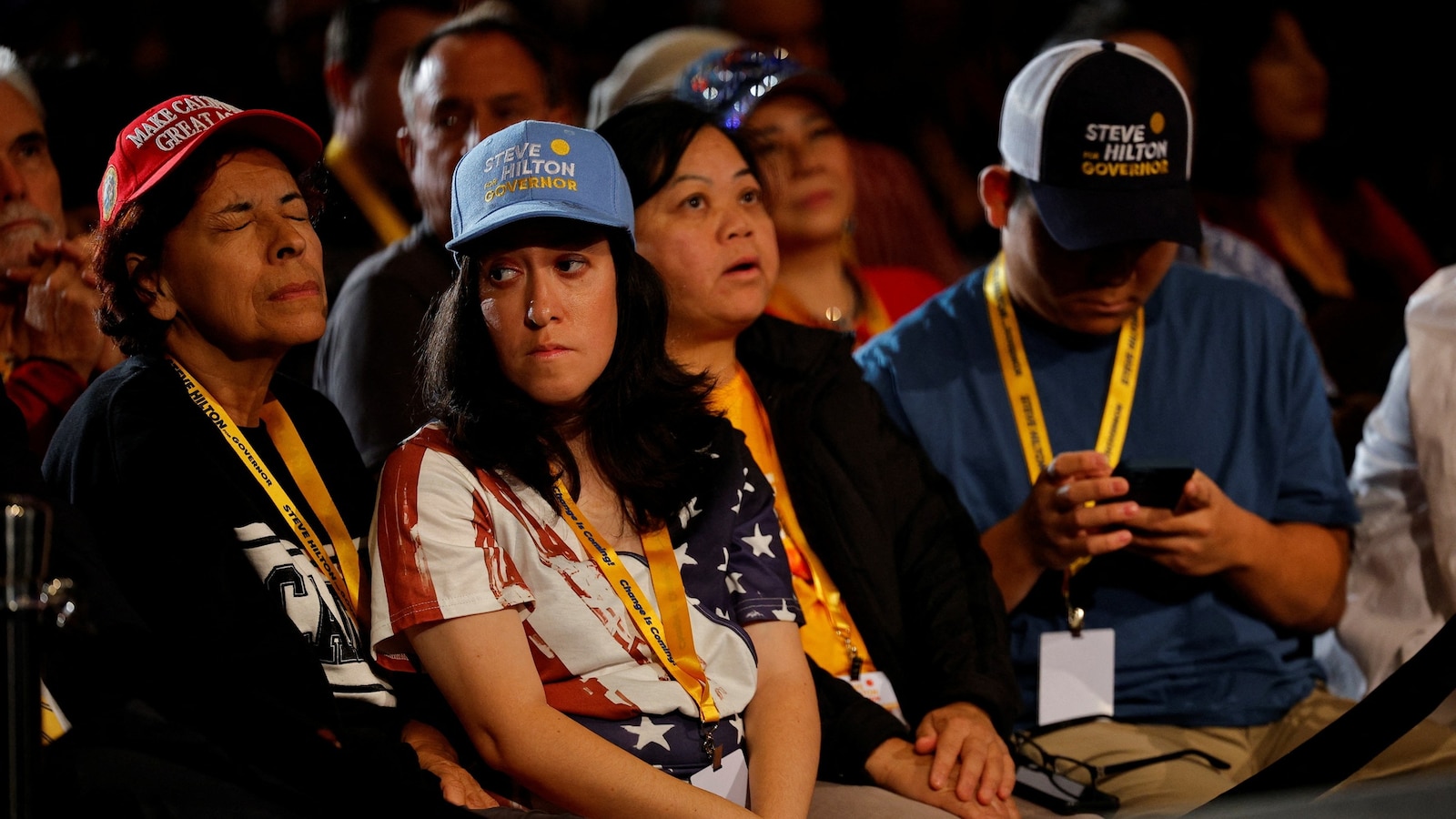
In what party officials are terming a “shell-shocked” aftermath, the Republican Party is confronting its largest electoral losses in over a decade following the 2026 U.S. midterm elections. Democrats not only reclaimed control of both the House of Representatives and the Senate, but did so by breaking through traditional Republican strongholds, upending the political landscape and forcing a deep reckoning among GOP leaders ahead of the 2028 presidential campaign.
The November 3rd results marked a seismic shift. For the first time in years, states like Kansas, Texas, and South Carolina—long considered Republican bastions—sent Democratic senators to Washington, according to multiple independent reports. Former Republican National Committee Chair Ronna McDaniel stated her surprise at the sweep, acknowledging the profound change in the party’s fortunes and the challenges facing its future (ABC News).
Shock Within Republican Ranks
Internal party discussions have intensified as many leading Republicans struggle to explain the reversal. Senator Ted Cruz called the outcome a “Watergate-level repudiation” and urged a full reassessment of the GOP’s direction. Despite extensive redistricting efforts aimed at securing advantage, many GOP-drawn districts flipped unexpectedly to Democratic control, an effect noted by several analysts and now accepted within party circles as a strategic miscalculation.
2028 Presidential Field Upended
The midterm setbacks have left Vice President JD Vance’s standing as presumed frontrunner for the 2028 Republican presidential nomination in doubt. Advisers to Vance have indicated he may delay announcing any intentions until at least the new year, as strategists work to map a feasible path in a radically altered landscape. Other Republican leaders—Senator Cruz, Secretary of State Marco Rubio, and Governors Glenn Youngkin, Brian Kemp, and Ron DeSantis—are reportedly weighing their options as well, though the bruising losses have prompted all to reconsider their strategies (ABC News, Axios).
The defeat has sparked not only soul-searching but also visible divisions within GOP leadership. Some figures have called for investigations into the midterm process, alleging irregularities, though no independent body has corroborated these claims. Party leadership elections are set for the coming weeks, and these contests are already shaping up as crucial determinants for the Republican rebuild before 2028.
What Comes Next
This defeat has set the stage for a period of profound introspection within the GOP, while Democratic operatives prepare for two years of unified control of Congress. Republican hopefuls now face the daunting task of rebuilding national coalition appeal and winning back not only traditional swing voters but also core constituencies in states once believed safe. As potential 2028 candidates wait for clarity, the party’s future direction remains in flux, marked by public grappling over leadership, policy, and identity in the aftermath of a stunning electoral shift.