
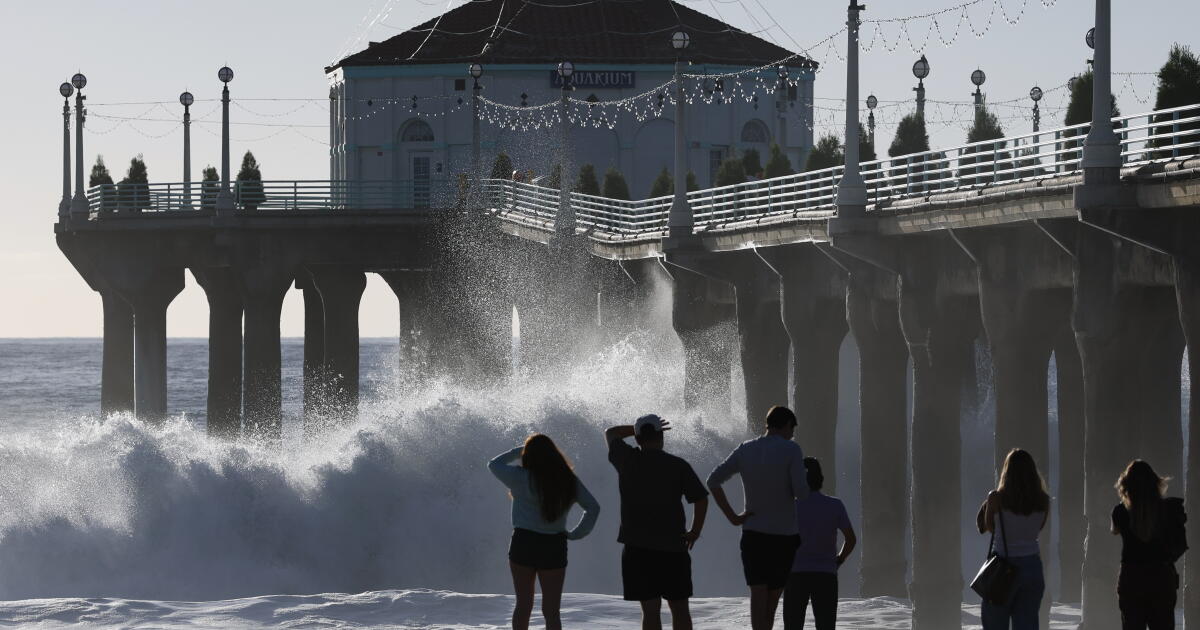
Between November 14 and November 16, 2026, a series of uncommonly large waves battered the California coastline, triggering evacuation warnings, infrastructure closures, and widespread coastal flooding. The event, described by meteorologists as the most significant in a decade, has been linked to the ongoing super El Niño that is intensifying Pacific storm activity and elevating ocean temperatures and sea levels.
On November 14, a buoy off Monterey registered a towering wave height of 34.1 feet—the highest in 30 years—while another near Point Reyes recorded 31.2 feet, levels not seen since December 2015. The National Weather Service (NWS) quickly issued High Surf Warnings for much of the Bay Area, warning residents and visitors to anticipate waves up to 35 feet alongside hazardous rip currents and so-called “sneaker waves.” In a stark public advisory, meteorologist Rachel Kennedy remarked, “The beach is not your friend this weekend,” underscoring the threat to life and infrastructure.
The immediate impact was felt along the coast as piers in hotspots such as Ventura, Manhattan Beach, Huntington Beach, and Pacific Beach in San Diego were closed after relentless wave battering raised concerns for public safety. In Santa Cruz County, officials posted evacuation warnings for low-lying zones like Capitola Village and Aptos. The small city of Pacifica saw waves breach the beachfront seawall, leading to impassable streets and waterlogged parking lots. Meanwhile, in Seal Beach, floodwaters surged into residential neighborhoods, adding to the toll on local residents and businesses.
The National Weather Service attributed much of the severity to El Niño, which boosts both ocean temperatures and baseline sea levels, artificially amplifying the size and power of winter surf. Meteorologists note that similar events occurred during the powerful El Niño of 2015–2016, which produced waves up to 60 feet offshore, but the current event stands out for its ferocity, timing, and the extent of public impact.
Authorities have repeatedly warned the public to steer clear of all coastlines, avoid jetties and rocks, and never turn their backs on the ocean, with the risk of unpredictable waves still present. As of November 17, while conditions have eased somewhat, advisory warnings remain in place and large surf is expected to persist through the week.
The ultimate scope of damage to infrastructure remains under review as state and local agencies assess impacted piers, homes, and roads. For now, California’s coast continues to grapple with nature’s hazards—a vivid reminder of the evolving risks posed by extreme climate events.