
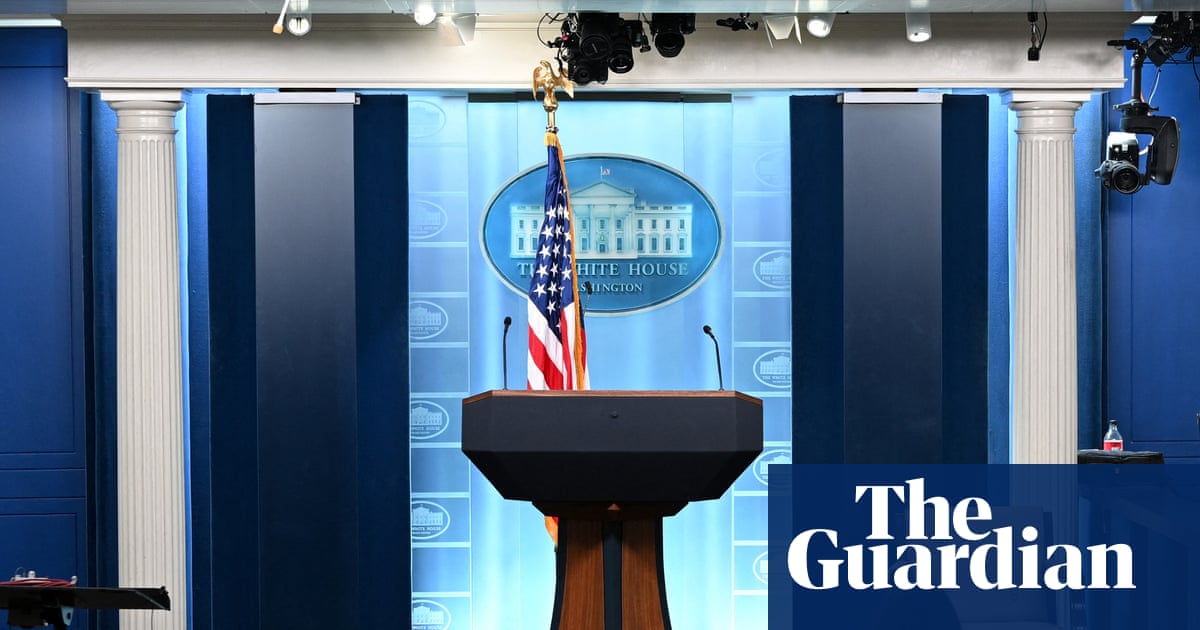
A week after her high-profile appointment, Katie Zacharia has been dismissed as White House Press Secretary by President Donald Trump, capping one of the shortest tenures in the role’s history and prompting fresh scrutiny of the administration’s approach to public communication.
Zacharia’s appointment, announced on October 9, 2026, was intended to bring a new voice to the administration’s messaging effort as she succeeded Karoline Leavitt. However, her term was marked from the outset by challenges. During her debut press briefing on October 13th, she faced pointed questions about her limited experience and the administration’s media relations. Observers noted concerns about her command of policy detail and ability to navigate the combative daily press environment (Washington Post, October 13, 2026).
By October 16th, multiple outlets reported that Zacharia had been dismissed. While the official White House statement cited a need for effective communication and expressed gratitude for her efforts, neither the administration nor Zacharia elaborated on the specific causes of her departure (KQ2, October 16, 2026). Advisers reportedly pointed to a combination of internal disagreements and performance concerns. The administration has not made any official announcement on her replacement, though speculation has quickly spread about potential successors, including Stephen Cheung and Anna Kelly (The Guardian, October 16, 2026).
Uncertainty and Media Response
The abrupt change has drawn the attention of former officials and media analysts. Jen Psaki, who served as Press Secretary under President Biden, commented on the situation in an NBC segment, suggesting that frequent turnover undermines the credibility and effectiveness of the White House communications operation. Psaki’s remarks reflect broader worries about the stability of the administration’s messaging team and its impact on public trust. Media commentary has focused on how repeated staff upheavals complicate relationships with both reporters and the general public (Modern Ghana, August 14, 2026).
Implications for White House Communications
The White House now faces renewed questions about its communication strategy going into a politically volatile period, with future elections on the horizon. The speed and circumstances of Zacharia’s removal have led to speculation that the team may be considering structural changes or new approaches, though no details have been formally disclosed. Analysts note that every change in the Press Secretary position reverberates far beyond the West Wing, shaping perceptions of control, transparency, and executive priorities.
As the White House continues its search for a new spokesperson, the episode highlights the ongoing tension between political loyalty, communications skill, and the relentless demands of managing messaging at the highest levels of government. How President Trump’s team addresses these challenges in the coming weeks may shape both internal morale and the administration’s ability to connect with the wider public.