
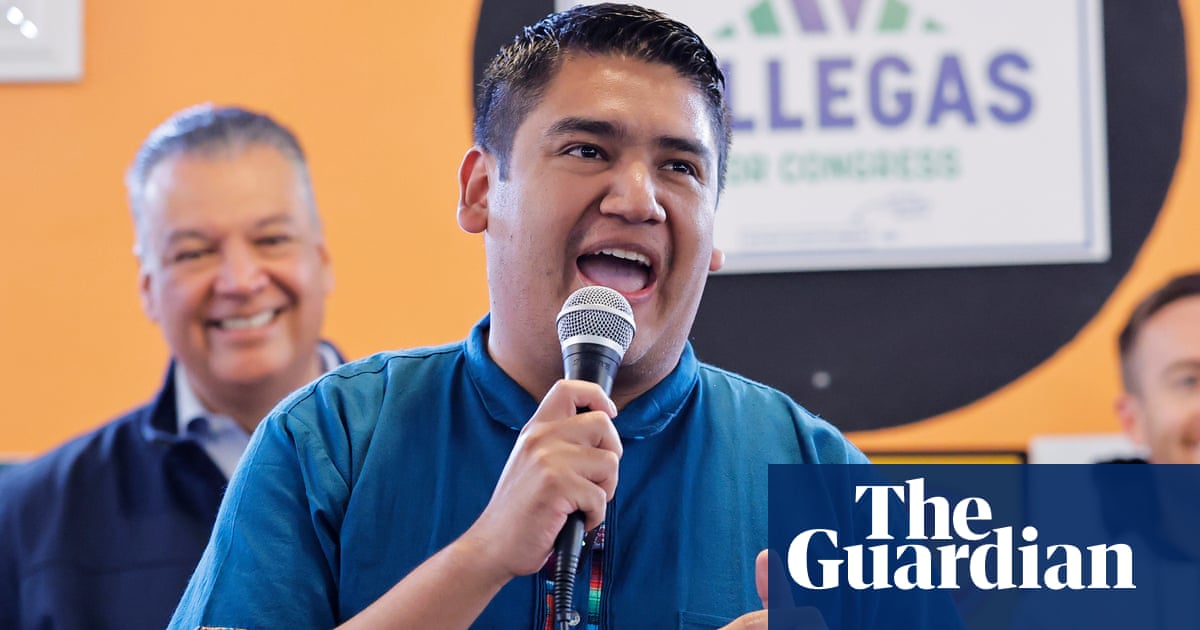
The Central Valley, long a stronghold for conservative politics, witnessed an electoral upheaval as Randy Villegas clinched a sweeping victory in California’s 22nd Congressional District. Villegas, a Democratic community college professor and outspoken progressive, was confirmed winner with 67.8% of the vote in the November 3, 2026 contest, defeating Republican incumbent David Valadao by more than 50,000 votes according to certified election results.
The district, stretching over populous agricultural cities such as Bakersfield and Visalia, had consistently elected Republicans for years—Valadao himself held the seat for most of the previous decade. Analysts attribute this startling reversal to shifting district demographics, the impact of recent redistricting, and sustained grassroots organizing led by Villegas and his supporters.
Running on a platform centered around economic populism, universal healthcare, labor rights, and immigration reform, Villegas drew endorsements from national progressive leaders, including Bernie Sanders and Alexandria Ocasio-Cortez. His campaign, which highlighted a rejection of corporate PAC funds, sought to capitalize on widespread local discontent with the status quo and the effects of Republican-sponsored legislation affecting Medicaid and food assistance. Villegas’ approach—grounded in community outreach and direct voter engagement—contrasted sharply with Valadao’s established presence and more conventional political tactics.
The campaign was not devoid of controversy. Villegas’ service on the Visalia Unified School District Board surfaced as a point of contention late in the race. Investigations revealed that, during his board tenure, the district settled multiple sex-abuse cases confidentially—a fact that sparked questions about transparency and oversight. Villegas’ campaign declined to comment when asked to clarify his role and knowledge regarding these settlements, an issue unresolved as he prepares to represent the district in Congress. Opponents have signaled that this matter will persist in public scrutiny as his term begins.
Villegas also overcame a competitive Democratic primary, besting state Assemblymember Jasmeet Bains, who had enjoyed backing from prominent party figures. While Villegas publicly eschewed corporate money, some outside progressive groups did spend to boost his candidacy, a nuance not lost on political analysts dissecting his win’s significance within state and national party dynamics.
With his victory officially certified on November 17, Villegas is set to assume office on January 3, 2027. Early statements suggest he aims to pursue legislative action on healthcare, labor rights, and economic development tailored to the Central Valley’s unique challenges. Moreover, he has pledged to continue direct engagement with constituents, planning a slate of town halls and forums in the coming months.
His election marks one of the most significant shifts in California’s Central Valley politics in recent decades, signaling a potential realignment as traditionally conservative districts increasingly entertain progressive alternatives. Yet as Villegas gears up for Washington, he faces both elevated expectations and enduring questions regarding accountability in his public service history.