
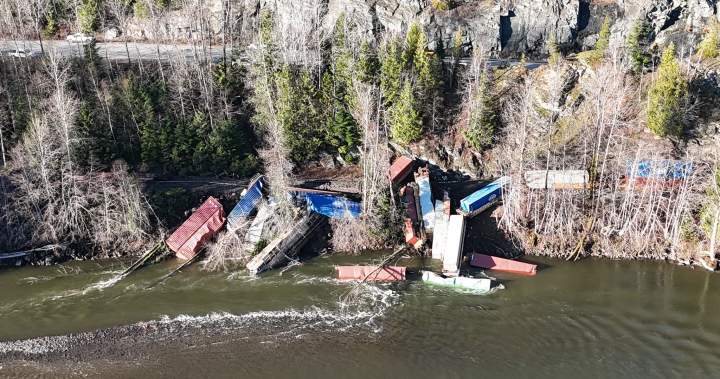
On the afternoon of November 17, 2026, a derailment involving a Canadian National Railway (CN) locomotive and five rail cars occurred approximately 16 kilometers southwest of Terrace, British Columbia, raising fresh concerns around rail safety in the region. The incident, which took place shortly after 1 p.m. local time, resulted in two individuals being sent to the hospital in serious but stable condition.
Authorities have not released specific information about the identities or roles of the individuals injured. However, initial reports confirm that there were no hazardous materials among the derailed cargo, and local officials have stated that public safety beyond the railway was not compromised by the event.
According to reporting attributed to Global News, the derailment forced a temporary closure of nearby Highway 16—an important east-west route through northern British Columbia. The highway has since reopened as crews worked to clear the site and allow for normal operations to resume. The incident location is in a relatively remote area southwest of Terrace, further complicating immediate response efforts.
Canadian National Railway and local authorities have launched a formal investigation into the circumstances surrounding the derailment. As of November 20, the exact cause remains undisclosed, with officials working to determine whether factors such as rail conditions, mechanical problems, or human error contributed to the event.
While derailments in British Columbia are not unprecedented, each event revives scrutiny on railway safety and infrastructure maintenance, particularly on challenging northern routes. The region previously experienced a fatal derailment near Woss Lake in 2017, underscoring the persistence of such risks in challenging terrain and weather.
The latest Terrace-area derailment, though not involving dangerous cargo or widespread disruption, has nevertheless prompted renewed calls for diligence in rail operations. The hospitalizations mark a serious outcome, but prompt action by responders and the absence of hazardous materials have mitigated further risks to the public. Authorities are expected to provide additional details as the investigation progresses.