
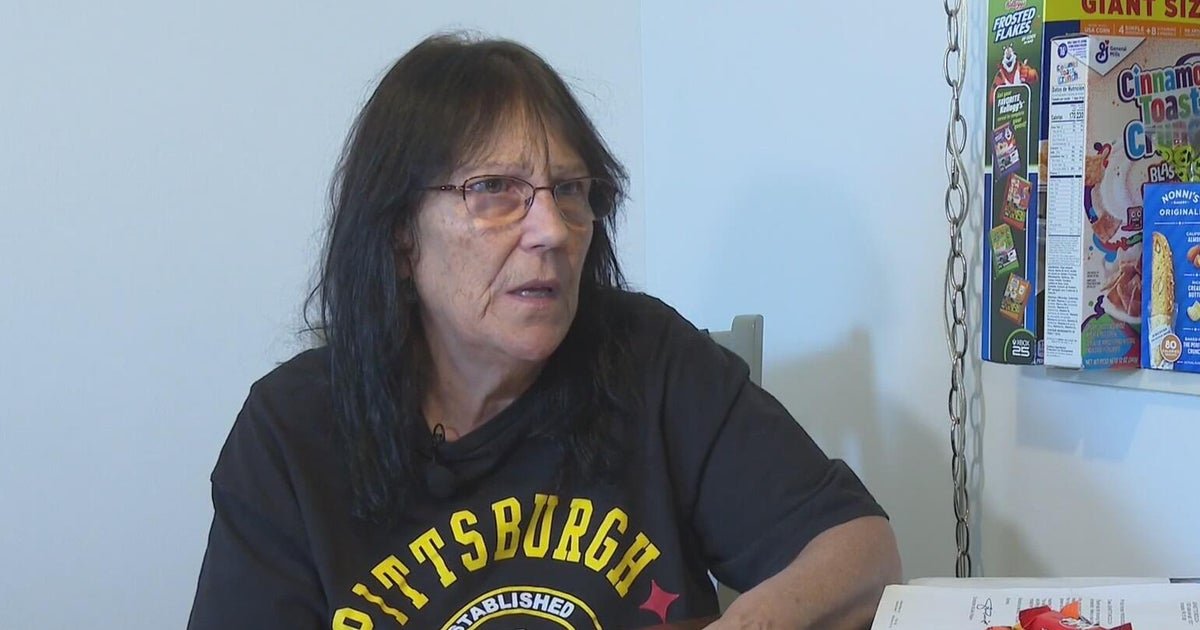
A Pittsburgh-area woman’s battle with breast cancer has taken an unprecedented turn as she alleges her supplemental cancer insurance was unjustly revoked in the midst of her diagnosis and treatment, casting new scrutiny on industry practices and the challenges patients face during times of vulnerability.
Jeanette Mozuch, who purchased a supplemental cancer policy through Heartland National Life Insurance in August 2025, recently went public with her story after her coverage was terminated following her diagnosis and subsequent claim earlier this year. According to Mozuch, she initially bought the policy, offered through a broker, to secure extra cash benefits should she ever face a cancer diagnosis—a reality that materialized in February 2026 when she was diagnosed with breast cancer and began surgery and radiation therapy.
When Mozuch filed her first claim, she received letters from her insurer noting the need for additional investigation. Several weeks later, the company informed her they were canceling her policy, citing a supposedly incorrect response on her application related to her medical history. Specifically, Heartland National Life Insurance asserted that the issue lay with a question labeled “2A” concerning prior cancer-related testing or monitoring—yet, according to Mozuch, neither she nor her doctor was able to locate any such question on the original application form, deepening the confusion.
The company further referenced medical records showing mammograms were ordered for Mozuch in May and August 2024 and April 2025, but stated these tests were not completed. On this basis, the insurer claimed Mozuch incorrectly answered the application. Mozuch, however, maintains her understanding of the screening schedule adhered to federal guidelines—which recommend mammograms every two years for women aged 40 to 74 with average risk—and believed she had followed proper protocol based on discussions with her doctor.
Mozuch is now actively seeking to appeal the denial, working alongside her healthcare provider to establish a complete record of her recent mammogram history. She has expressed concerns that her case might not be isolated, posing a broader question about whether similar denials have affected other policyholders during critical moments of need.
This situation echoes earlier high-profile cases where cancer patients saw insurance canceled—or benefits rescinded—during essential treatment, including a 2008 legal case in which a California woman was awarded more than $9 million after her coverage was terminated.
Critical facts, including the precise wording of the disputed application question and the exact implications of the applicant’s medical file, remain unresolved pending Mozuch’s appeal and internal review. Neither Heartland National Life Insurance nor Mozuch’s broker has issued statements clarifying the application process or how such disputes are handled procedurally.
As Mozuch continues her appeal, patient advocates and observers argue that her ordeal underscores the need for clear communication between insurers and their customers, particularly regarding what constitutes a disqualifying event, and raises concerns about how policyholders can best protect their access to coverage during the most critical times of their lives.