
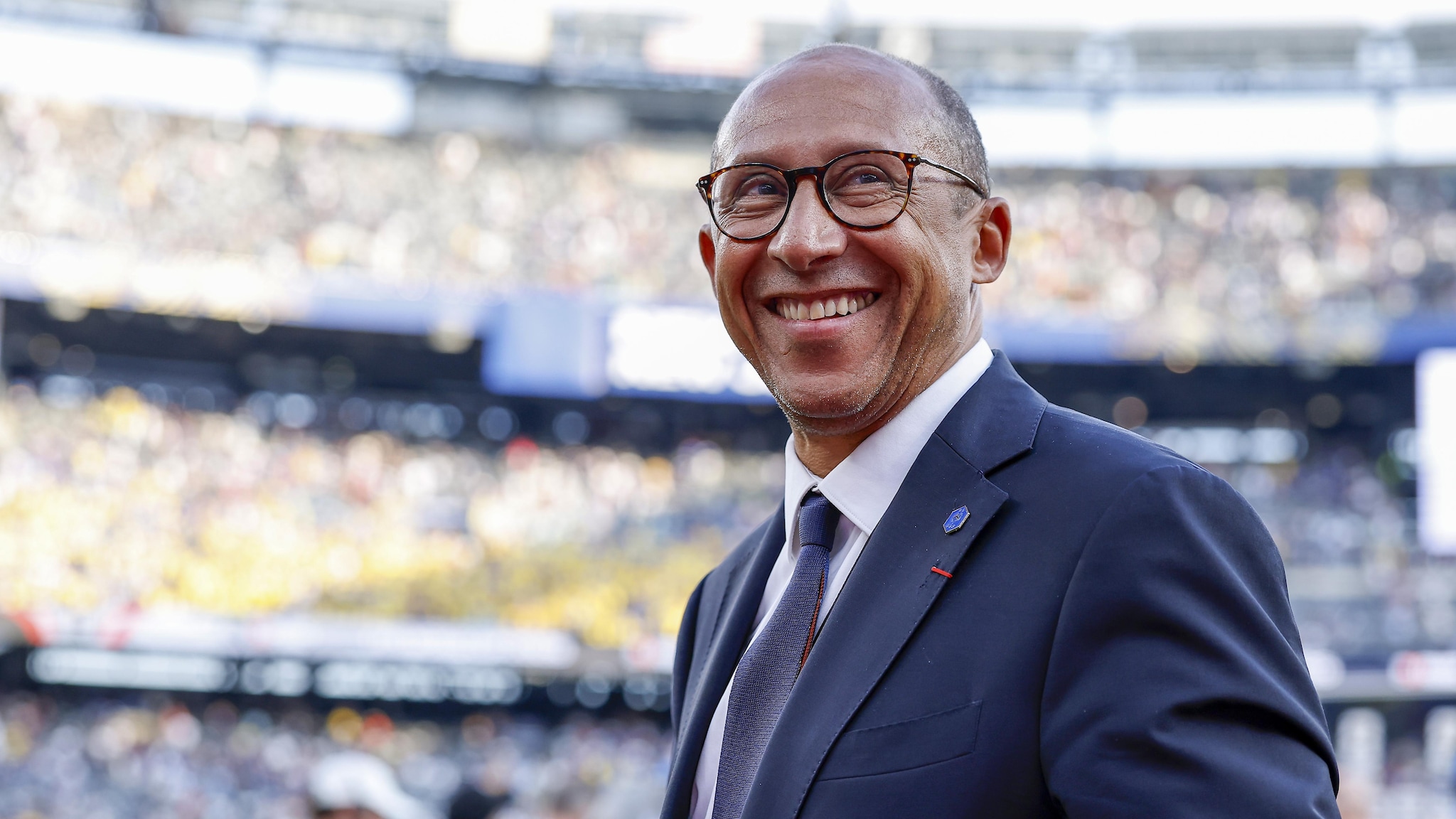
In a significant move that could reshape football’s global leadership, Philippe Diallo, president of the French Football Federation (FFF), has announced his candidacy for the FIFA presidency, directly challenging the incumbent Gianni Infantino. The announcement on November 16, 2026, comes amid growing calls for reform within FIFA and a rare show of unanimous support from UEFA’s Executive Committee for Diallo’s campaign.
The 77th FIFA Congress, set for March 18, 2027 in Rabat, Morocco, will now feature a contested election as Diallo, 63, brings decades of football administration experience to his bid. Diallo is expected to be formally ratified by the FFF Executive Committee on November 17. He has previously headed French club organizations, served on the board of the Ligue de Football Professionnel, and worked within FIFA’s dispute resolution bodies, in addition to his current leadership roles at FFF and UEFA. According to UEFA’s official statement, its executive committee and associated national associations have placed their “full confidence” in Diallo to restore unity and trust in global football governance (UEFA).
The coming election will not be a two-man race: former Swiss international Ramón Vega and Japan’s Kozo Tashima have also declared their intention to stand for the top job. Diallo’s decision follows public criticism of recent FIFA decisions, including controversial awards and commercial plans, and he has pledged to prioritize trust and transparency—a message that has resonated strongly with several European federations.
Gianni Infantino, FIFA president since February 2016, confirmed his intent to run for a fourth term during the 76th FIFA Congress in Vancouver earlier this year (FIFA). Infantino enjoys wide support—around 200 of FIFA’s 211 member associations are believed to back his re-election bid (AP News). However, questions over his eligibility persist. Some experts and a former FIFA governance chief claim the organization’s statutes would prevent Infantino from seeking a fourth term due to a three-term limit, but this interpretation is not universally accepted, and FIFA itself has not defined an official stance (Al Jazeera).
To qualify for the ballot, each FIFA presidential candidate must be endorsed by at least five member associations, a hurdle Diallo is expected to clear with UEFA’s backing. He plans to announce his full campaign team in Belfast in early December 2026, indicating momentum toward a campaign that seeks to unite disparate football regions and address ongoing criticism of FIFA’s leadership and commercial direction.
The stakes are high: the president of FIFA not only guides world football policy but also oversees the organization’s multibillion-dollar competitions and development programs. With both establishment power and reformist momentum at play, the coming months are likely to see intensified campaigning, political maneuvering, and renewed scrutiny over how FIFA’s next leader will shape the sport’s future.