
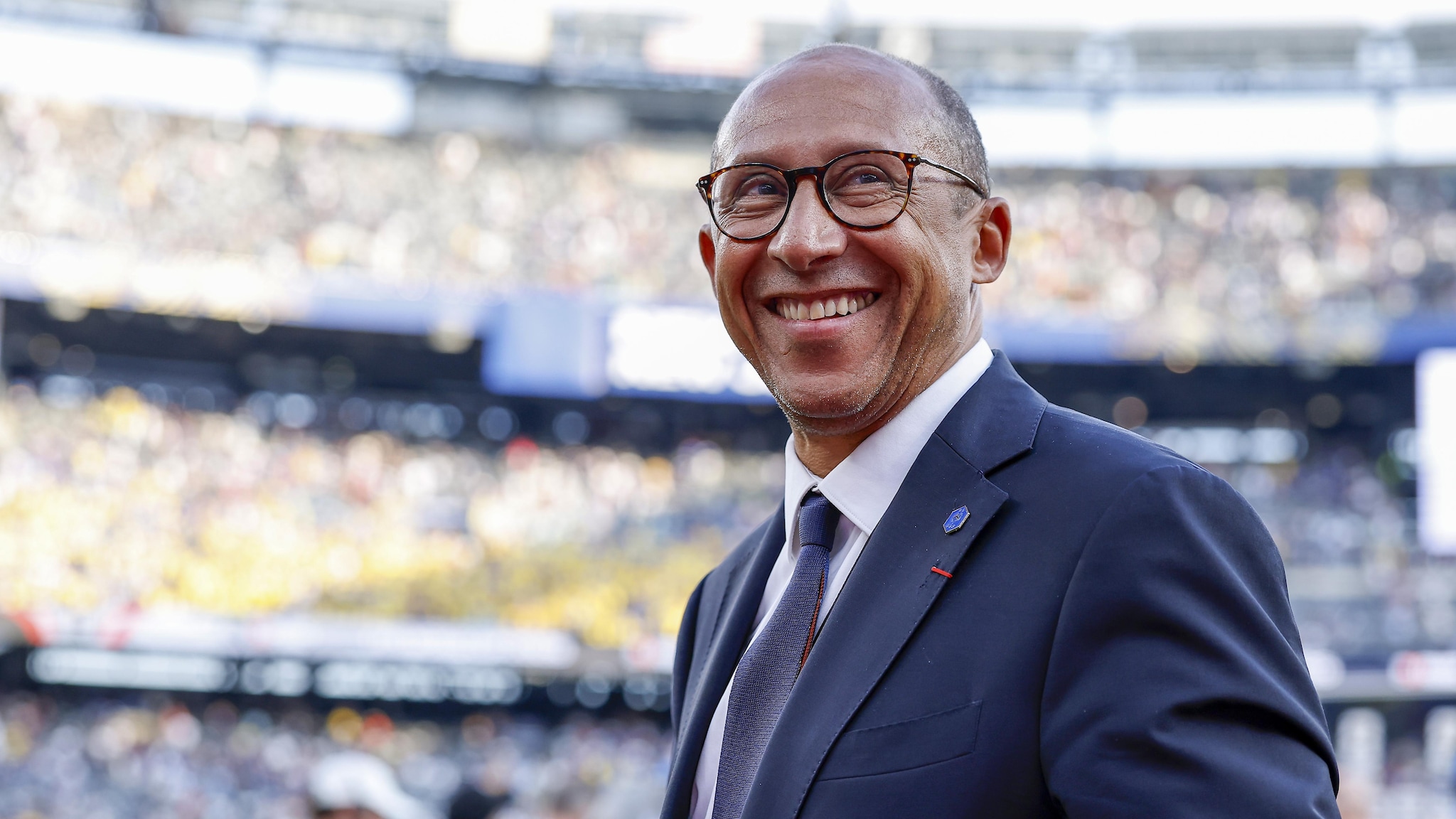
In a move reshaping the 2027 FIFA presidential election, Philippe Diallo—the President of the French Football Federation (FFF)—has formally confirmed his candidacy, brandishing the open backing of French President Emmanuel Macron and the unified support of UEFA’s executive ranks. This declaration, made official on November 18, comes as international football governance faces scrutiny, and as debates swirl over the eligibility of incumbent President Gianni Infantino, who is seeking a disputed fourth term.
Diallo’s campaign emerges from a groundswell within European football. On November 16, UEFA’s Executive Committee, along with the FIFA Council’s European representatives, unanimously urged him to stand against Infantino, whose tenure has faced growing resistance amid concerns about FIFA’s direction and governance standards. UEFA’s published statement emphasized a need for unity and renewed trust within football’s global community—a campaign theme Diallo has made his own by calling for all reform-minded candidates to form alliances.
Key to Diallo’s strategy is his commitment to outreach beyond Europe. He has publicly signaled his intent to coordinate efforts with Kozo Tashima, the Japanese football executive and honorary president of the Japan Football Association, who declared his own candidacy earlier this month. Diallo emphasized that “unity among opposition candidates” is paramount if Infantino’s re-election bid is to be meaningfully challenged, a view corroborated by reports in The Japan Times.
Macron’s backing has elevated Diallo’s bid, exemplifying the increasing interplay between politics and global football. While French presidential endorsements have made headlines in the run-up to France’s own 2027 elections, Macron himself has played an outsized role in supporting both sports figures and allied candidates, leveraging his political influence on the world football stage.
Meanwhile, Infantino remains an officially declared candidate, having served as FIFA president since 2016 and recently confirmed his intention for a fourth term. His eligibility, however, is contested: former FIFA governance chief Miguel Maduro has cited the organization’s statutes that appear to limit presidents to three terms. This legal debate is expected to intensify as the election nears.
The FIFA presidency is decided during the 77th FIFA Congress, scheduled for March 18, 2027, in Rabat, Morocco. Candidates require endorsements from at least five national football associations to appear on the ballot—a threshold both Diallo and Tashima appear set to meet.
As the weeks ahead promise further campaigning and new alliances, observers note that this election represents a rare test of FIFA’s internal reform discourse and the international balance of power. With Europe presenting Diallo as its unity candidate, Asia fielding Tashima, and Infantino both supported and contested within FIFA’s structures, the outcome remains far from certain. The prospect of a deeply contested vote, amplified by high-level political endorsement, suggests a pivotal moment for the world’s most powerful sporting institution.