
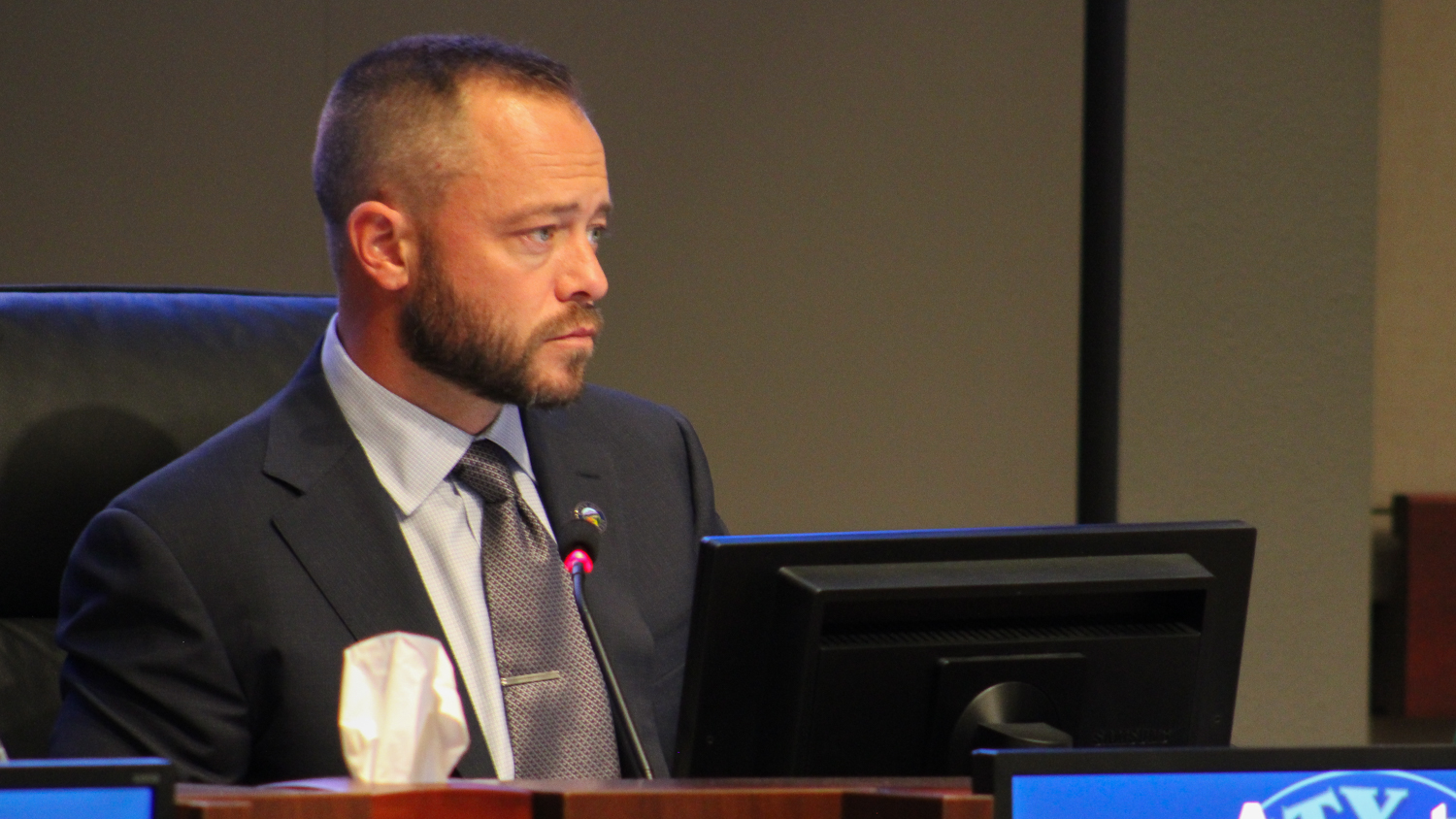
In a move that capped days of rising public scrutiny, outgoing Tustin Mayor Austin Lumbard withdrew his plans to make a series of committee appointments just hours before the scheduled city council meeting on November 17, 2026. The withdrawal followed criticism over apparent efforts to fill influential board seats and launch new committees in the final days of his term, rather than allowing his successor to take up those responsibilities in line with local tradition.
The original agenda, posted for Tuesday evening’s council session, called for the appointment of current councilmembers and others to pivotal roles, including the Orange County Fire Authority Board and the Orange County Mosquito and Vector Control District. The list also featured the proposed creation of a Veterans Advisory Committee. Such appointments have historically been carried out after the swearing-in of the new mayor—a point emphasized by Letitia Clark, who leads the incoming administration after narrowly winning the election with 51.8% of the vote to Lumbard’s 48.2% as of November 16.
Clark publicly denounced the outgoing mayor’s timing, urging that appointments respect the decision of voters and the established transition process. Tensions rose as residents and council observers echoed concerns that Lumbard’s action, though confirmed as legally permissible by City Attorney David Kendig, would undermine the intent of Tustin’s electoral outcome and break with longstanding city tradition.
Criticism intensified across public forums and social media after the agenda was publicized, prompting Lumbard to release a statement on Monday that he would be removing the appointment item—officially listed as #13 on the council docket. He cited “substantial misinformation and negativity” swirling around the issue as part of his rationale, but maintained that his administration acted within its legal authority.
The controversy illustrates the often fraught nature of power transitions in local government, especially when important appointments can impact city governance for years to come. While no legal challenge materialized and the city council did not vote on the appointments, the dispute underscores the significance of adhering to democratic practices and public expectations even in the face of procedural ambiguity.
At present, the matter appears closed: the proposed appointments were formally withdrawn ahead of the meeting, and mayor-elect Clark is expected to proceed with her own slate of appointments after officially taking office in December.