
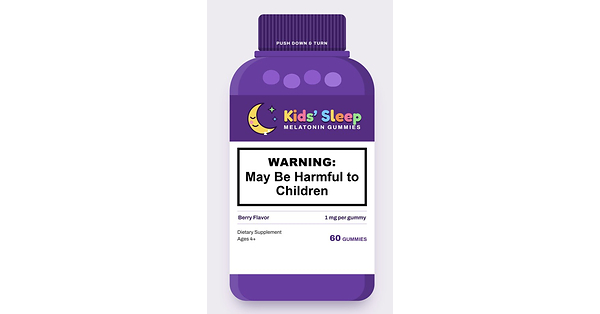
Parents in Orange County, California, are demanding answers after allegations surfaced that employees at Kiddie Academy of Orange gave melatonin gummies to children without first obtaining parental consent. The claims—now facing full legal scrutiny—have triggered alarm among local families and state regulators alike.
Reports first emerged in September 2026 when multiple parents said their four-year-old children recounted being offered “sleeping gummies” during nap time. Further concern arose when surveillance footage captured on September 11 reportedly appeared to show a staff member placing an unidentified substance into a child’s mouth. The situation escalated when a whistleblowing former employee alleged in statements that children were sometimes administered double doses of the sleep aid to ensure they slept during rest periods.
On November 16, the law firm Andrews & Higgins filed a lawsuit in Orange County Superior Court on behalf of affected families. The suit, naming both the local daycare and its parent, Kiddie Academy Corporate Centers, LLC, alleges battery and negligence, citing explicit violations of California’s childcare regulations, which require written parental authorization before any medication is administered at such facilities. The case specifically highlights that melatonin—classified as a dietary supplement by the FDA—carries unregulated dosing and the potential for risky side effects in children when used unsupervised. The American Academy of Sleep Medicine advises against its unsupervised use in children due to reported complications such as nightmares and overdoses.
In official statements, Kiddie Academy’s franchisee confirmed the immediate suspension of the staff member involved and pledged “full cooperation” with an ongoing state investigation. The Kiddie Academy national brand responded by emphasizing their commitment to parental trust and high standards of care. Meanwhile, the California Department of Social Services has launched an investigation; as of November 17, the inquiry continues with no public findings to date. Local police said the allegations did not constitute a criminal offense and referred the matter to social services.
The scope of the alleged practice remains uncertain. While a 2013 case in Morgan Hill, California, drew similar scrutiny over teachers allegedly dosing children with sleeping pills, industry rules have since been clarified to stress parental consent and transparent medication policies. Legal experts note that cases in other states have seen criminal charges filed against daycare staff for comparable conduct, but it remains to be seen how California courts will interpret these latest events.
No injuries have been publicly reported, and the lawsuit is in preliminary stages with parental plaintiffs seeking accountability and assurance that such incidents will not recur. The case has raised broader questions about supplement regulation and the protocols required for childcare facilities to maintain parent trust and regulatory compliance.