
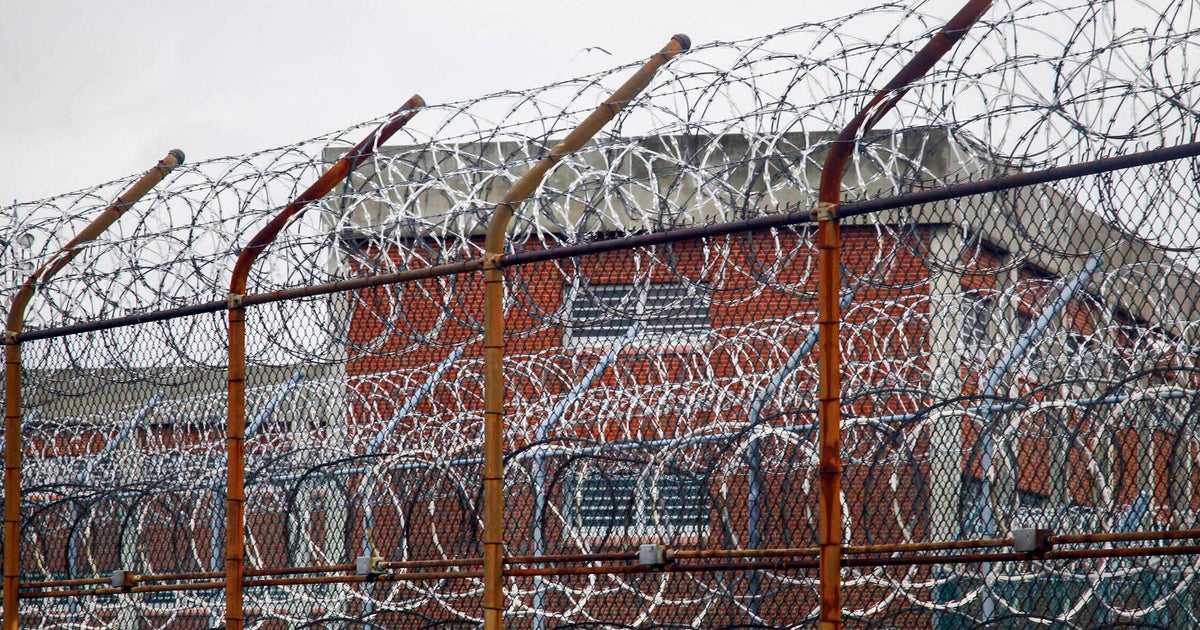
New York City Mayor Zohran Mamdani has introduced the city’s first definitive plan to close Rikers Island, setting a new target date of 2032—five years beyond the deadline cemented by law. This announcement, made on November 20, 2026, marks a significant juncture in the city’s decades-long struggle to address violence, overcrowding and federal scrutiny at the sprawling jail complex now synonymous with crisis and dysfunction.
As detailed in an official city release, the proposed roadmap calls for constructing four new jails—one each in Brooklyn, Queens, Manhattan, and the Bronx—to replace Rikers Island. The first is set to open in Brooklyn by 2029, with all four slated for completion by the end of 2032. These borough-based facilities aim to dismantle the city’s “out of sight, out of mind” approach to incarceration, bringing those detained closer to their communities, courts, and families, while also modernizing prison conditions for both inmates and staff.
The city is also committing $146 million for mental health treatment, substance use programs, victim services, and vocational training, signaling a focus on systemic support and rehabilitation. Plans include the creation of therapeutic hospital beds and expansion of specialized housing for incarcerated people with complex needs—part of what Mayor Mamdani described as a shift toward “evidence-based supports that help break the cycles of incarceration.”
However, the administration’s revised timeline has raised immediate concerns. The city was required by law to shut down Rikers by August 2027, a mandate that officials now acknowledge cannot be met due to longstanding delays. In a nod to political and practical realities, the City Council is expected to consider legislation that would formally extend the legal deadline to match the new construction schedule. Council Speaker Julie Menin has welcomed the fresh plan, but public debate continues over safety, pace, and the inevitable friction between ambition and logistics.
Advocates for incarcerated people largely support the mayor’s approach, emphasizing the need to close a facility whose history is marred by violence, deaths, and federal intervention. Yet critics—including some public safety advocates—worry about risks in reducing city jail capacity, as population targets call for dropping the incarcerated population from roughly 6,700 to just over 4,000 by 2032. Decades of delayed action, shifts in city leadership, and complicated logistics have fueled skepticism about whether the new vision can deliver the safe, humane correctional system it promises.
In addition to jail closures, city officials say that plans are being developed to support correctional workers through the transition and to consider future public uses for Rikers Island itself—including potential renewable energy projects. A facility on the island was permanently shuttered in June 2026 as an early sign of progress toward the closure goal, according to the city’s press office.
For now, the new Rikers closure plan stands as New York’s most detailed commitment yet to reshaping criminal justice—with the next steps hinging on City Council approval, sustained investments and the city’s ability to outpace the institutional inertia that has kept Rikers open for generations.