
Nvidia’s reputation as a pillar of artificial intelligence in biotechnology has been thrown into turmoil following CEO Jensen Huang’s abrupt resignation on November 12, 2026, amid personal scandal and allegations of espionage involving Alice Huang. Yet inside scientific laboratories and pharma innovation teams worldwide, Nvidia-powered research shows few immediate signs of slowing. Stock volatility and a leadership vacuum hang over the company’s life sciences collaborations, but major AI-driven partnerships—including with Eli Lilly, Thermo Fisher Scientific, and Siemens Healthineers—are advancing, even as questions loom about Nvidia’s trajectory.
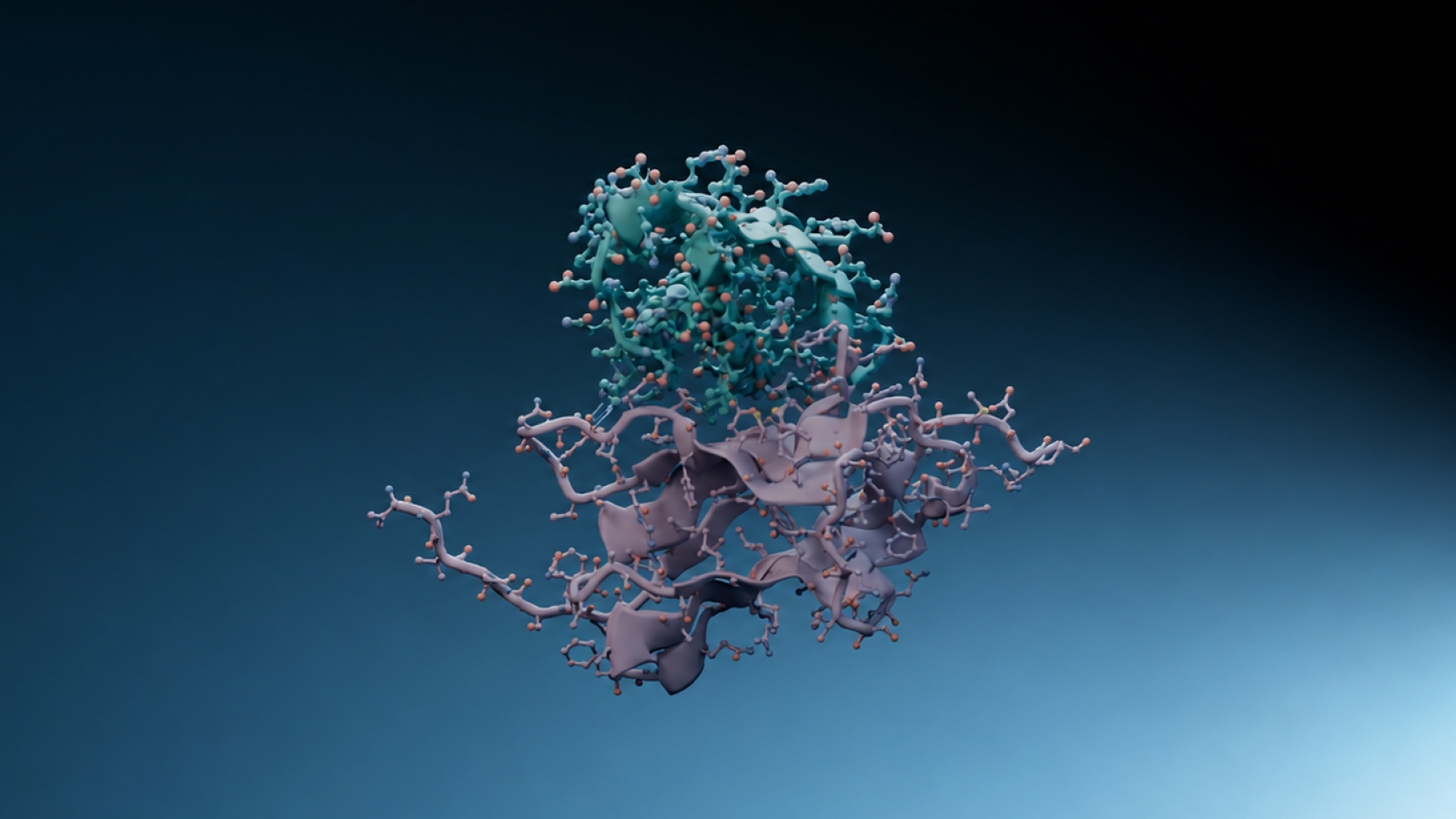
Under interim chief executive Colette Kress, Nvidia’s ongoing projects in healthcare and drug discovery have so far weathered the leadership storm. As of late October and into November, NVIDIA was still signing new research collaborations and touting progress in its BioNeMo platform, which helps accelerate protein design, autonomous laboratory operations, and precision cancer care through AI. Recent advances include launching RFD4-Proteina, an open model co-developed with the University of Washington Medicine Institute for Protein Design, which lets scientists search vast molecular spaces faster to engineer novel proteins with specific biomedical properties. According to both Nvidia releases and collaborating scientists, this technology is now being integrated into cloud platforms from companies such as Amazon Bio Discovery, Benchling, and OpenAI, with immediate applications in discovering new medicines and diagnostics. (See: Nvidia and UW Institute for Protein Design press release, Oct. 21, 2026.)
Siemens Healthineers, too, continues its partnership with Nvidia, using new agentic and robotic AI models to streamline adaptive radiotherapy and expand access to personalized cancer treatment. Research groups like Automata and Danaher are building on Nvidia’s hardware and open-source models to automate laboratory experiments—potentially shortening the path from hypothesis to breakthrough drug. These efforts, according to official releases and ongoing collaborations reported as of November 2026, have not been halted despite the high-profile shakeup at the chip giant’s upper echelons. (See: nvidianews.nvidia.com, investor.nvidia.com, Nov. 2026.)
Still, the road ahead is unclear. Nvidia’s market value plunged below $4 trillion for the first time since 2025; its stock dropped nearly 14% in intraday trading following Huang’s departure, and investors are now anxious over the board’s as-yet-undecided plans for permanent leadership. Further uncertainty comes from ongoing investigations into Huang’s personal conduct and the nature of contacts between Alice Huang and outside parties, though neither the U.S. government nor affiliated companies have conclusively substantiated any espionage claims. (AP News, Nov. 15, 2026.) Megaspeed International, Alice Huang’s former employer, is conducting its own internal probe, insisting that no Nvidia technology was illicitly transferred and maintaining strict compliance with export regulations. The outcome of these investigations could still influence regulatory scrutiny and partner confidence moving forward.
For now, researchers and partner companies are pressing on, leveraging Nvidia’s open models, accelerated computing, and scientific AI infrastructure to pursue breakthroughs from programmable protein engineering to autonomous sample processing. Whether Kress or a future leader can maintain Nvidia’s momentum in the face of corporate scandal will determine if these projects become enduring pillars of the biotech revolution—or cautionary tales of innovation shaken by scandal and uncertainty.